
Welcome to the Psi Encyclopedia! We aspire to provide a comprehensive introduction to academic parapsychology, which studies the range of psychic experiences collectively termed ‘psi’. The existence of psi phenomena – and the related idea that consciousness is independent of the physical body and so may survive death – is strongly disputed by materialist scientists, yet parapsychologists are convinced they have evidence for these things. The Psi Encyclopedia presents this evidence in more than 750 signed articles by over 80 authors, many of them senior academics, arranged in categories and subcategories that highlight the major interests of the field. It is owned and sponsored by the Society for Psychical Research.
Mark Boccuzzi created this short video that explains what we are about.
Featured
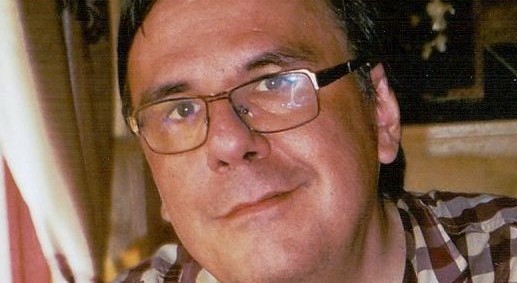
Titus Rivas
Dutch theoretical psychologist and philosopher (1964-2026) who studied NDEs and children who recall previous lives.
After-Death Communications (Overview)
ADCs have been interpreted through both psychological and survival-based models.
Animals in Psi Research
The psi abilities of animals have been reported in informal observations and laboratory tests.
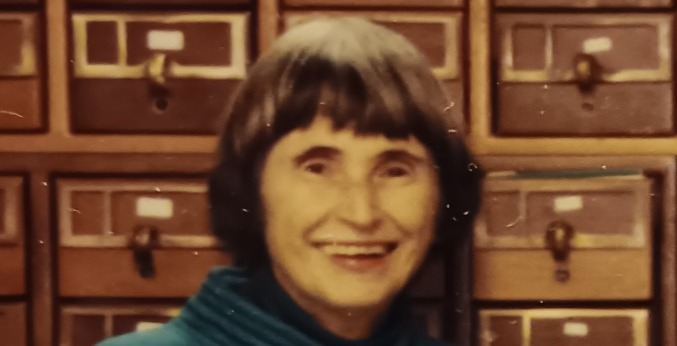
Rhea A White
American parapsychologist, librarian, bibliographer, and editor of the Journal of the American Society for Psychical Research.
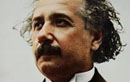
Eminent People Interested in Psi (list)
A list of some 200 scientists, thinkers, writers, and artists who took seriously the possibility of psi.
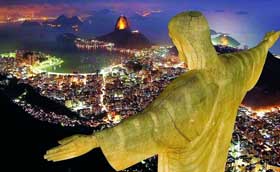
Psi Research in Brazil
This article traces the development of interest in psi phenomena and parapsychological research in Brazil.
Maróczy Mediumistic Chess Match
Match played between a living Russian grandmaster and a deceased Hungarian one.
Key Topics
Remote Viewing
An experimental form of clairvoyance, in which a suitably trained person attempts to visualise the topography of a distant scene.
Near-Death Experiences (Overview)
This article describes anomalous mental events reported by people who have survived a near-fatal accident or illness.

Society for Psychical Research (SPR)
Membership organization founded in London in 1882 for the scientific investigation of claims of psychic phenomena.
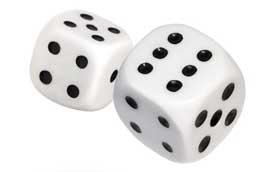
Psychokinesis Research (Overview)
Research on PK has progressed from early tests with dice to random number generators, field studies, and quantum experiments.

Clinical Parapsychology
Therapeutic approach that aims to provide support for people disturbed by anomalous event experiences.
Reincarnation: An Introduction
This introductory article covers beliefs in reincarnation, evidence for reincarnation, and sceptical views of the research.

Psychedelics and Psi
A gradual easing of restrictions means that psi research with psychedelics, once prevalent, could soon resume.
Altered States of Consciousness and Psi
ASCs have long been known to be associated with psi experiences.
Recent Additions
Robert A McConnell
American physicist and parapsychologist (1914–2006) who challenged the rejection of psi by mainstream science.
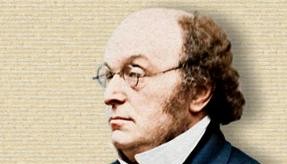
Augustus De Morgan
De Morgan (1806–71) was a British mathematician who conducted experiments in mesmerism and early Spiritualism.
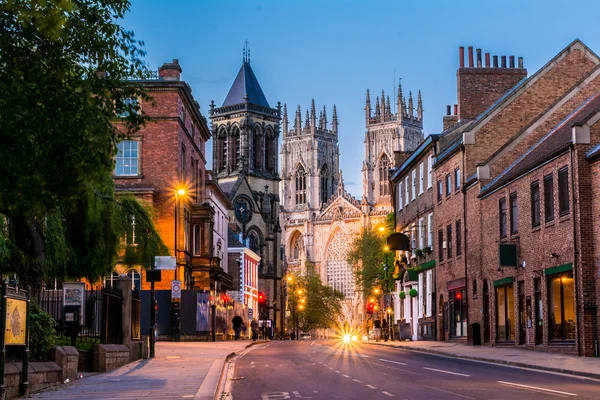
Haunted York
York's reputation as Britain’s most haunted city rests on a long history of reported apparitions and other anomalies.
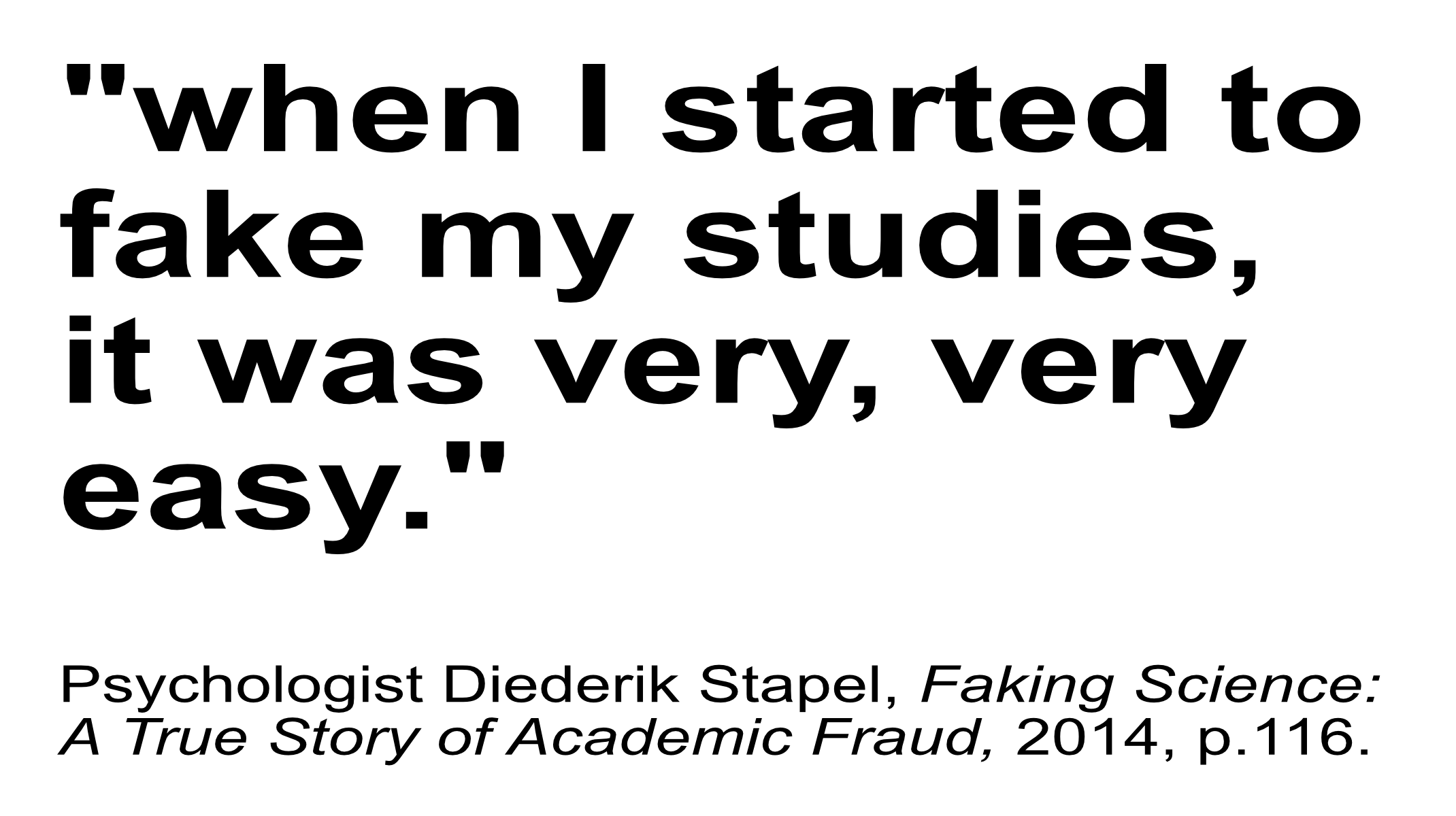
Fraud in Experimental Parapsychology
Researcher fraud has been a problem for experimental parapsychology, as for other sciences.
Minnie Meserve Soule
Important American trance medium (1867–1936) who worked closely with researchers for three decades.
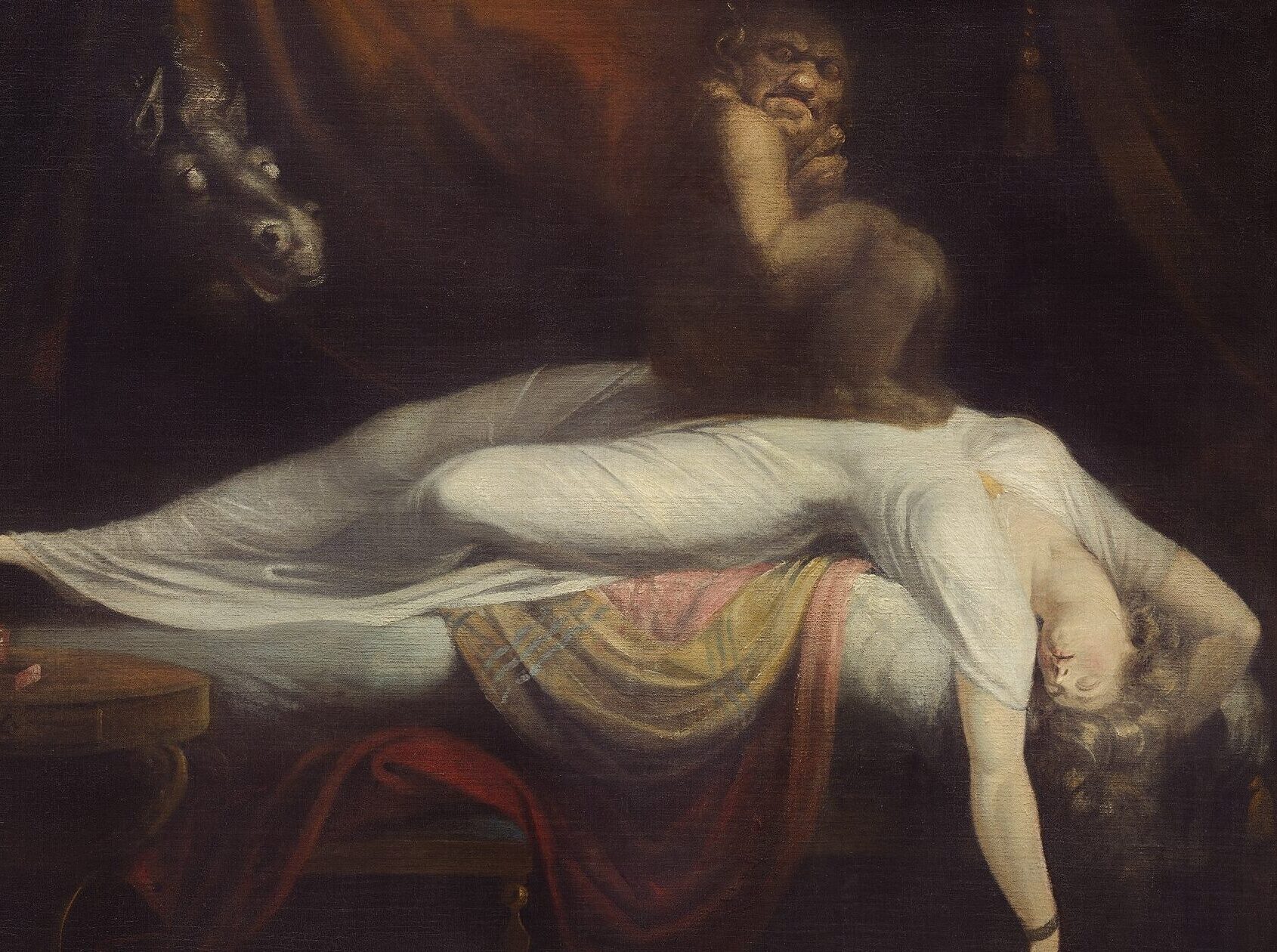
Sleep Paralysis and Anomalous Experience
Sensed presences and apparitions have been reported while the body is immobilized.
Joseph Jastrow
Pioneering American experimental psychologist (1863–1944) briefly associated with the ASPR, although sceptical of psi.
After-Death Communications (Overview)
ADCs have been interpreted through both psychological and survival-based models.
Elwood Worcester
American Episcopal clergyman and psychologist (1862–1940) who helped found the Boston Society for Psychic Research.
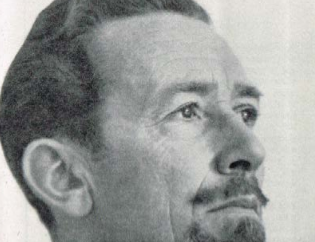
Siméon Edmunds
British researcher (1917–69) concerned with hypnotism, spirit photography, parapsychology and Spiritualism.

Global Consciousness Project (GCP) 2.0
GCP 2.0 extends the original GCP with a larger network of quantum random number generators.
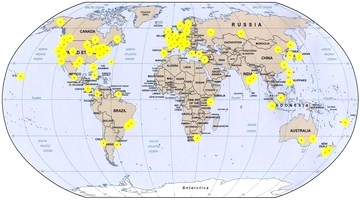
Global Consciousness: Theories
This article considers interpretations of data gathered by the Global Consciousness Project.
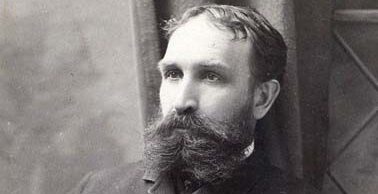
Minot Judson Savage
Unitarian minister (1841–1918) who sat with Leonora Piper and was involved with the early American Society for Psychical Research.
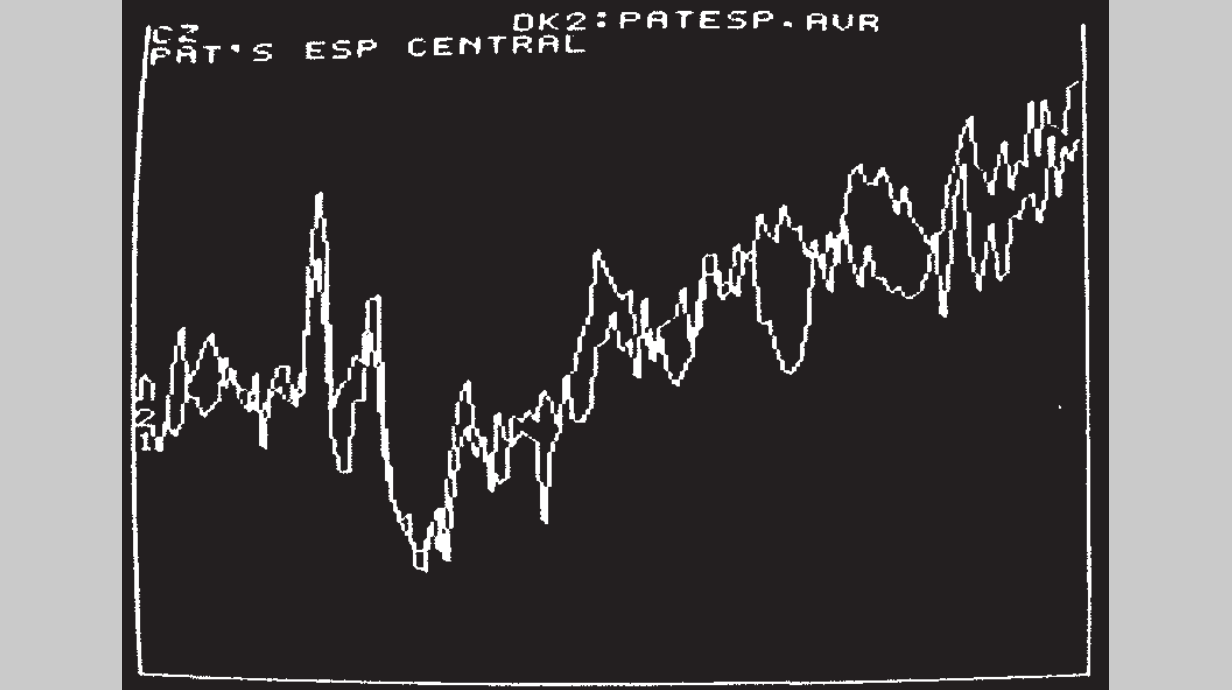
Presentiment Research Methods
Confirmatory studies should be preregistered and use pre-stimulus physiological data to predict stimuli.
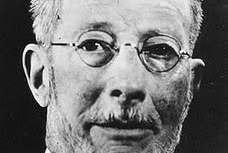
Charles Drayton Thomas
Methodist minister (1867–1953) who studied mental mediumship, chiefly of Gladys Osborne Leonard.
Edward F Kelly
American psychologist and parapsychologist concerned with consciousness and its relation to psi and postmortem survival.

Free-Response Methods
Targets such as random images or locations allow for richer impressions than do forced-choice tests.
Children’s Near-Death Experiences
New research employs creative, participatory methods to interview children about their NDEs.
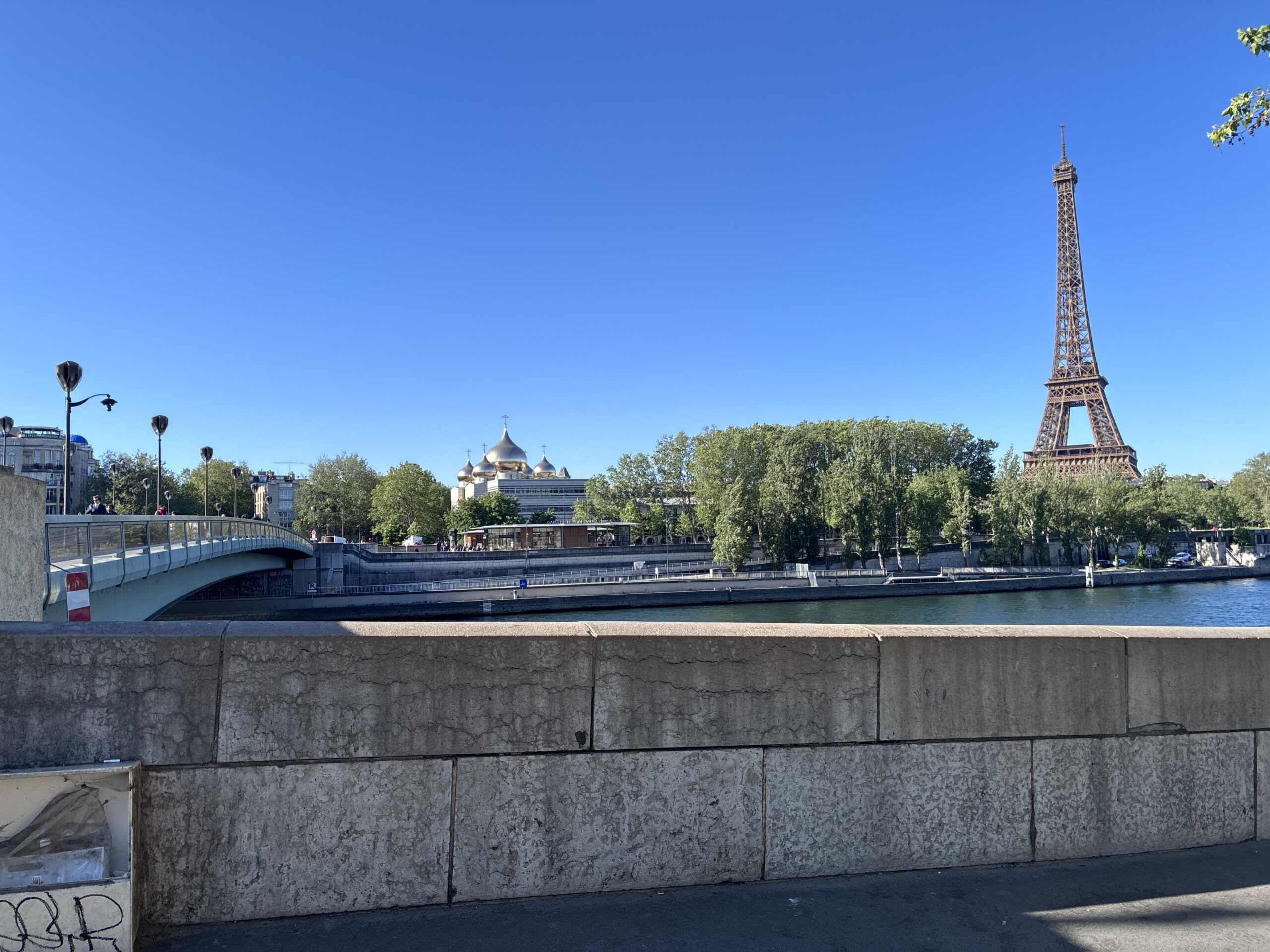
Psi Research in France
This article discusses psi research in France, from nineteenth century ‘animal magnetism’ to the present day.

Callum E Cooper
British psychologist who specializes in the study of spontaneous cases of psi phenomena.
Explore the Psi Encyclopedia
ESP & Psychokinesis
Extra-sensory perception (ESP) comprises telepathy, clairvoyance and precognition. Psychokinesis (PK) is the direct influence on matter by mind alone. Both ESP and PK have been tested in the laboratory and studied in real life situations. Together they constitute psi, in the strict sense of the term. Subcategories group together overviews and general topics in psi studies, tests of ESP and PK, and researcher biographies.
Mikhail Petrovo-Solovovo
Russian diplomat and psychical researcher (1868–1954) known for interest in physical mediumship.
Markus Maier
German psychologist whose work in consciousness theory has extended to include experiments in psychokinesis and precognition.

Psychology and Parapsychology
Explores the overlap between psychology and parapsychology, such as personality and other variables linked to psi.
Mind & Body
This category contains articles that treat consciousness in relation to the body. Subcategories focus on consciousness and psi; dreams and psi; and distant healing and psychotherapy. Also included are sitter groups and macro-psychokinesis as well as poltergeists, often assumed to relate to discarnate entities but now known more often to have living agents. A final subgroup is concerned with out-of-body and near-death experiences and events reported on the threshold of death.
Near-Death Experiences – Paranormal Aspects
List of NDEs with confirmed clairvoyance and other paranormality.

Alexander Batthyány
Austrian philosopher, cognitive scientist and researcher concerned with phenomena surrounding death and dying.
Doris Fischer
Notable early 20th century American case of dissociative identity disorder, described by Walter Franklin Prince, who helped cure her.
Survival of Death
Life continued in a spiritual or purely mental form after bodily death is a staple of religious beliefs worldwide, and likely is as old as humanity. The question of evidence for it has been central to the Society for Psychical Research since its founding in 1882. Subcategories focus on hauntings and apparitions and on psychic (also called mental) mediumship.
Peter Underwood
British paranormal researcher long associated with the Ghost Club, author of more than 50 about haunting phenomena.
Modern Mental Mediumship Research (Overview)
A review of studies carried out with mental mediums in Britain, Europe and America since 2001.
Carlos Mirabelli
Brazilian medium (1889–1951) credited with phenomena of similar power and frequency to those associated with DD Home.
Reincarnation
Reincarnation beliefs are widespread in the world and in recent decades researchers have found what they believe is evidence of them through the study of people (mainly children) who claim to have lived before. Subcategories highlight case studies, past life regression, and biographies of major researchers.
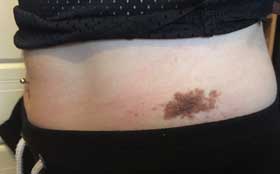
Birthmarks in Reincarnation Cases
Birthmarks and birth defects in reincarnation cases correspond to injuries that caused deaths in the previous lives.

Sunita Khandelwal (reincarnation case)
Indian child case studied three times, the first investigator making a record of the memories before verifying them.
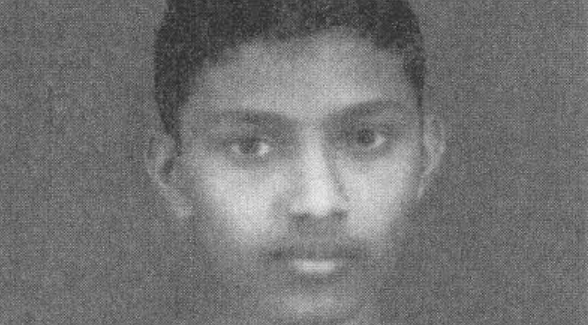
Wijeratne Hami (reincarnation case)
This Sri Lankan boy born with serious physical defects believed they were inflicted on him as karmic punishment.
Researchers & Authors
Here can be found more than 300 biographical profiles of key figures who have been involved in psi research and parapsychology as field investigators, experimentalists, theorists and commentators. The biographies are grouped in subcategories by 30-year age cohorts, highlighting contemporaries.

Debra Lynne Katz
American parapsychologist, author, educator, and intuitive practitioner, carrying out research on remote viewing and related topics.
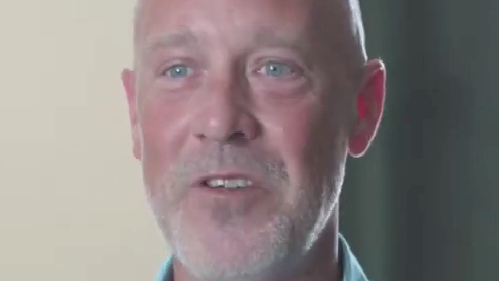
Brian Laythe
American psychologist and parapsychologist whose research interests include paranormal beliefs and experiences.
Anthony D Cornell
Investigator associated with the SPR (1923–2010), specially concerned with hauntings and poltergeists.
Organizations
The oldest organizations devoted to parapsychology were member organizations like the Society for Psychical Research, established in London in 1882. Since JB Rhine founded the Parapsychology Laboratory at Duke University in 1930, there have been university-based units as well. This category comprises both historical and contemporary bodies concerned with research and education in parapsychology.

Australian Institute of Parapsychological Research (AIPR)
Australia’s oldest extant psi research organization, founded in Sydney in 1977.

Institute of Paranormal Psychology (IPP)
Argentinian organization established in 1994 that conducts psi research and provides educational resources.

Boston Society for Psychic Research
Organisation that split from the American Society for Psychical Research in 1925, reuniting with it in 1941.
Sceptical Views
Sceptics argue that psychics and mediums achieve their effects by trickery, that psychic experience is an illusory effect caused by a combination of brain misperceptions and confirmation bias, and that evidence of psi in laboratory tests can be attributed to poor methodology. This category includes biographies of leading sceptics as well as general articles discussing their allegations.
Criticisms of Reincarnation Case Studies
This article addresses objections critics have raised to the reincarnation case research of Ian Stevenson and others.
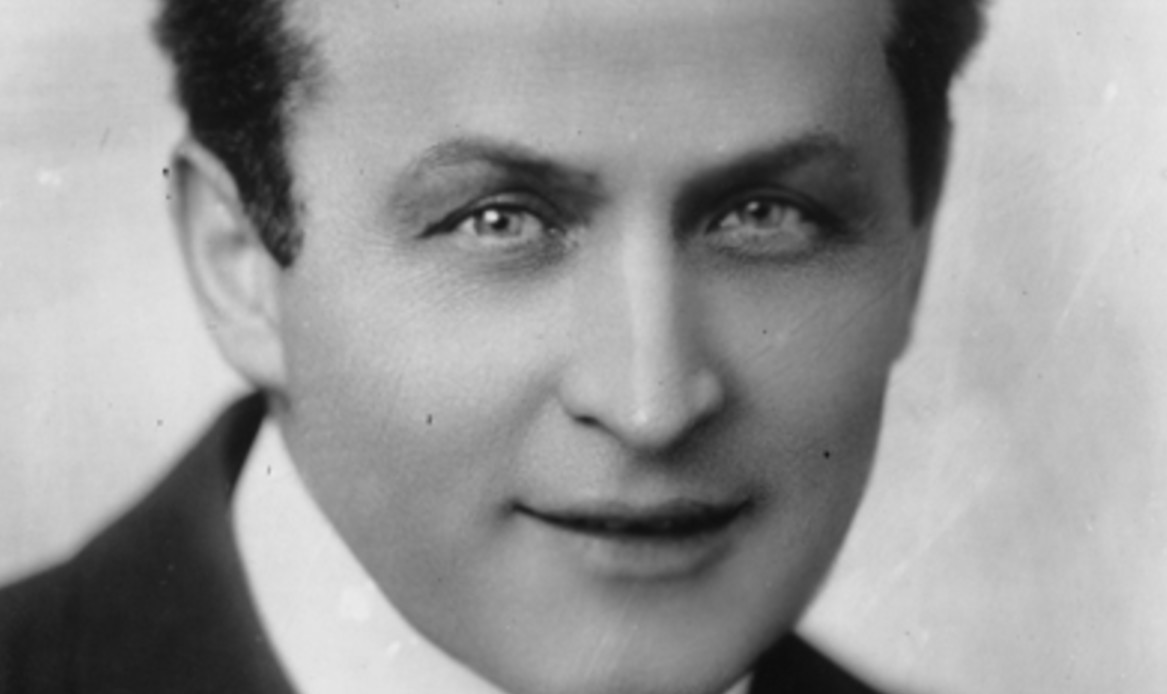
Harry Houdini
The legendary stage magician (1874–1926) was hostile to Spiritualism and wrote books about his debunking of mediums.
Susan J Blackmore
British psychologist, consciousness researcher and psi sceptic, who has frequently appeared in the media promoting her views.
General Topics
This category contains articles on a variety of topics that do not fit well in any of the main categories, from dowsing to crop circles and other anomalistic phenomena, the Miscellaneous Anomalistic subcategory. Other subcategories list articles on psychics and mystic and on important articles, books and journals in the field of parapsychology.

Extraocular Image (China)
1980s experiments in which children demonstrated an ability to recognize hidden images by touch alone.
Forteana
Collective term for anomalous or paranormal-seeming phenomena, as exemplified in the writings of Charles Fort (1874–1932).