
General Topics
This category contains articles on a variety of topics that do not fit well in any of the main categories, from dowsing to crop circles and other anomalistic phenomena, the Miscellaneous Anomalistic subcategory. Other subcategories list articles on psychics and mystic and on important articles, books and journals in the field of parapsychology.
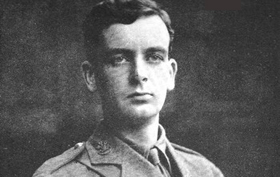
‘Raymond’ by Oliver Lodge
The soldier son of Sir Oliver Lodge killed in battle in 1915 thereafter communicated with his family through mediums.

‘The Boy Who Came Back from Heaven’ (recanted NDE)
Best-selling American book describing the supposed NDE of a 6-year-old child.
‘The Phenomena of Astral Projection’ (1951)
Classic study of OBEs, described in the context of the occult idea of 'astral projection'.
Anomalistics
Anomalistics is the study of anomalies unexplained by science, similar to Forteana, but with a greater emphasis on scientific evaluation.
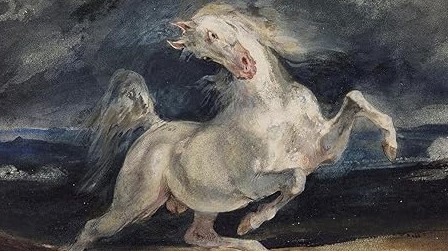
Boggle Threshold
Term coined by Renée Haynes to refer to the level of tolerance of a discomforting new idea, varying from person to person.
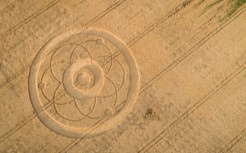
Crop Circles
The intricate patterns that sometimes appear in crop fields have been attributed to various factors, including supernatural ones..
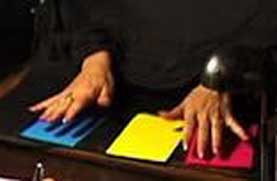
Dermo-Optical Perception
This article describes research into claims of being able to perceive colours through touch alone.
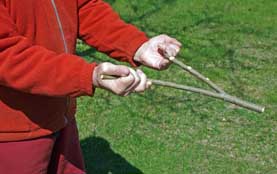
Dowsing
Traditional method of locating underground water or minerals by the movement of a pair of metal rods, a forked stick or a pendulum.
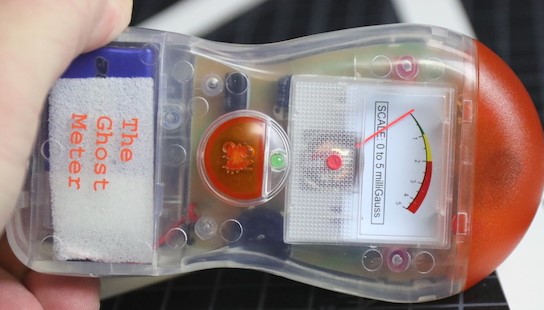
Electromagnetism and Anomalous Phenomena
Electromagnetism may be implicated in reports of seemingly paranormal phenomena.
Eminent People Interested in Psi (list)
A list of some 200 scientists, thinkers, writers, and artists who took seriously the possibility of psi.
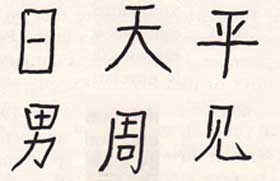
Extraocular Image (China)
1980s experiments in which children demonstrated an ability to recognize hidden images by touch alone.

Extraordinary Light Phenomena
The widespread experience of a seeing an extraordinary light, one that brings comfort, love or healing.
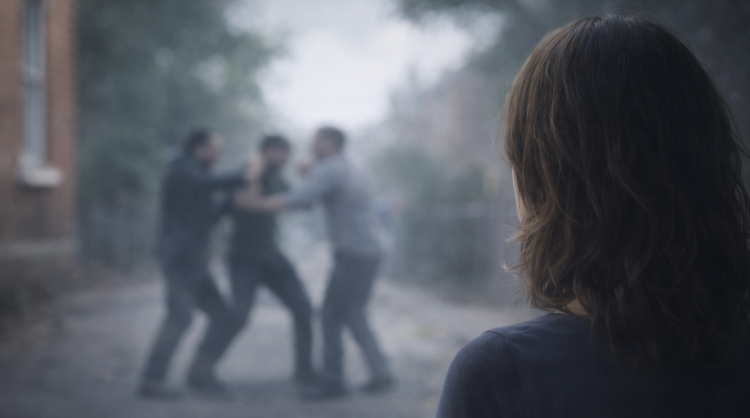
Eyewitness Testimony (Analysis)
This article discusses the reliability of eyewitness testimony about paranormal events.
Forteana
Collective term for anomalous or paranormal-seeming phenomena, as exemplified in the writings of Charles Fort (1874–1932).
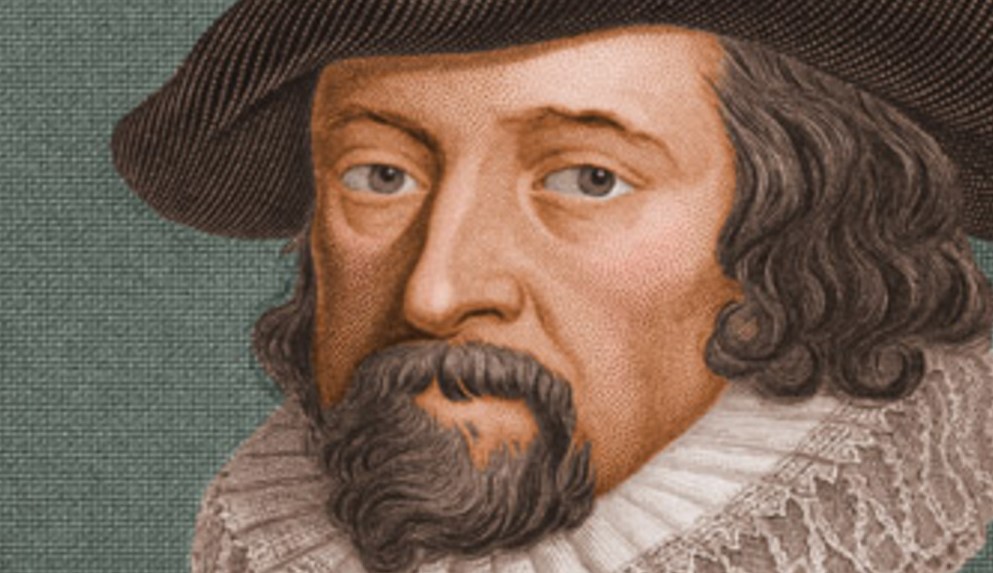
Francis Bacon and the Occult
Francis Bacon (1561–1626) believed in the possibility of psi but opposed its investigation on theological grounds.
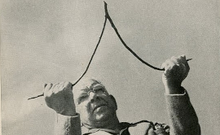
Henry Gross
American game warden and dowser (1895–1979) who located water for landowners in his home state of Maine and in Bermuda.

The Hodgson Report on Theosophy
Controversial report on Helena Blavatsky by Richard Hodgson for the SPR, which alleged fraud.
Human Radiations
The idea that humans radiate biophysical forces was once used to explain phenomena such as auras, ESP, healing, and luminous effects.

JOTT: Spatial Discontinuities
The everyday misplacements of objects may sometimes have a non-normal cause.
Journal of Parapsychology (JP)
Journal founded by JB Rhine at Duke University in 1937, historically devoted to experimental parapsychology.
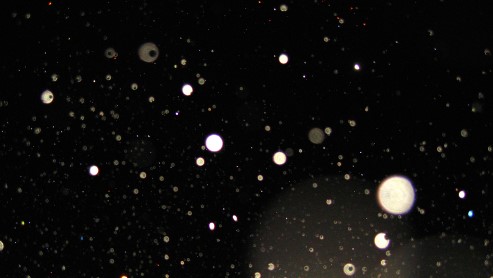
Orbs (Light Anomalies)
Light anomalies often seen in photographs and video are attributed by some to the presence of ghosts or spirit entities.
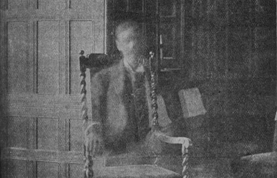
Photography and the Paranormal
Apparently paranormal images captured on film are vulnerable to claims of misinterpretation, malpractice or fraud.
Podmore’s ‘Apparitions and Thought-Transference’
Argues that apparitions may be explained through telepathy.
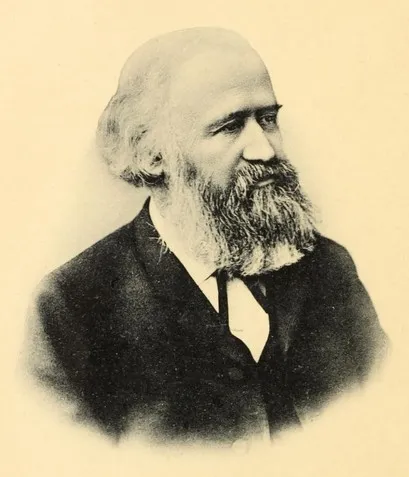
Psychische Studien (journal)
Early German psychical research journal (1874–1925) that contained reports of experiences and investigations.
Richet’s ‘La Suggestion Mentale’
In a 1884 paper, physiologist Charles Richet pioneered the use of statistics in telepathy tests.
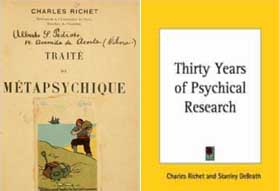
Richet’s ‘Traité de Métapsychique’ (‘Thirty Years of Psychical Research’)
A classic review of the literature, published in 1922.
Scientific Mysticism
Describes the theory of mathematician and mystic Michael Whiteman, based in part on his own experiences.
UFOs, Aliens and Psi
Review of the research literature on UFO sightings and alien encounters, which may include claims of psi phenomena.
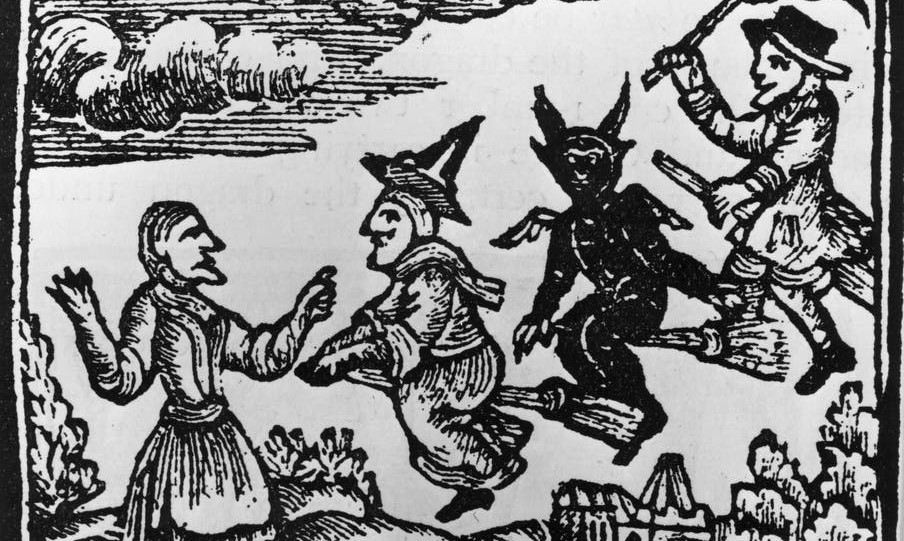
Witchcraft
Traces the development of witchcraft as the socially proscribed practice of magic, from Antiquity to the present day.