
Survival of Death
Life continued in a spiritual or purely mental form after bodily death is a staple of religious beliefs worldwide, and likely is as old as humanity. The question of evidence for it has been central to the Society for Psychical Research since its founding in 1882. Subcategories focus on hauntings and apparitions and on psychic (also called mental) mediumship.
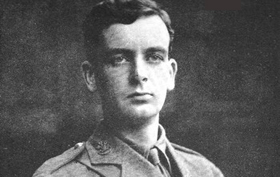
‘Raymond’ by Oliver Lodge
The soldier son of Sir Oliver Lodge killed in battle in 1915 thereafter communicated with his family through mediums.
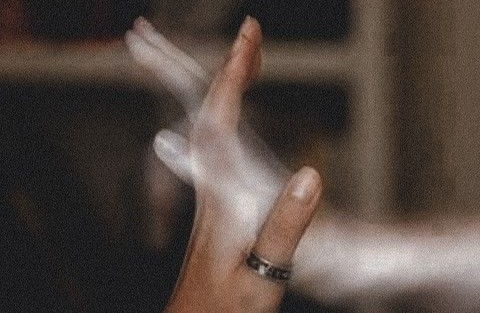
After-Death Communications (Overview)
ADCs have been interpreted through both psychological and survival-based models.
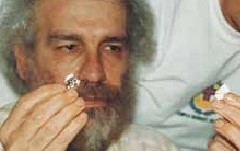
Amyr Amiden
Brazilian medium known for the appearance near him of materialized objects, sometimes on request.
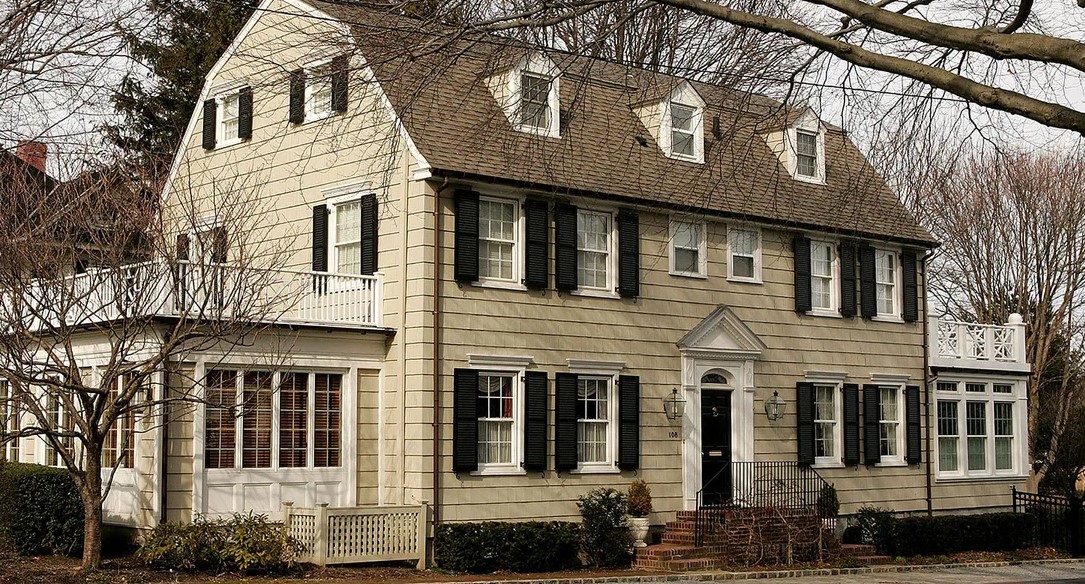
Amityville Hoax
Alleged 1970s haunting in Long Island, New York, which became the basis for sensationalist books and films.

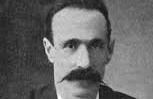
Charles Bailey
Charles Bailey (1870–1947) was an Australian medium known for an ability to produce ‘apports’ of great variety.
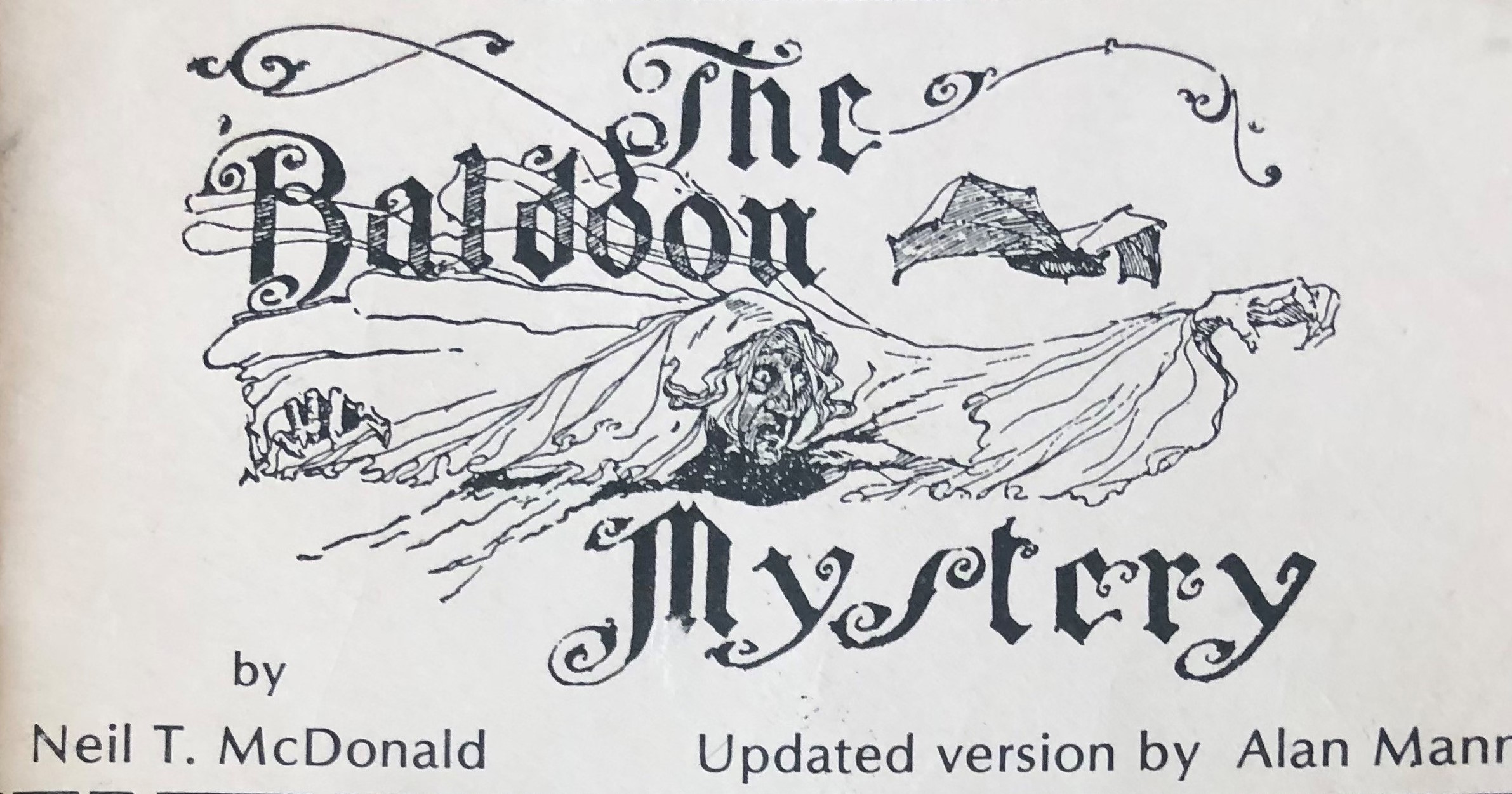
Baldoon Mystery
Poltergeist disturbances that occurred in 1829 in Ontario, Canada, were the subject of 26 eye-witness reports.
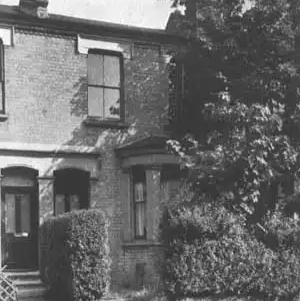
Battersea Poltergeist (1928)
Disturbances reported in a small house in Battersea, London, investigated by Harry Price.
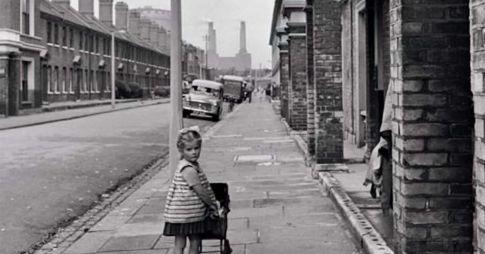
Battersea Poltergeist (1956)
Media attention focused on disturbances experienced in 1956 by a family in Battersea, London.
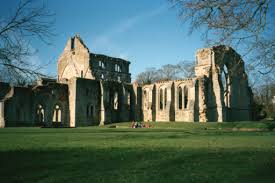
Beaulieu Abbey
Ghostly sightings have frequently been reported in a ruined Cisterican abbey in the town of Beaulieu, Hampshire.
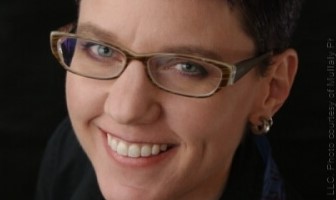
Julie Beischel
Co-founder of the Windbridge Research Center in Arizona, USA, concerned primarily with mental mediumship.
Marthe Béraud (Eva C)
French materialization medium studied by European researchers in the early twentieth century.
Bindelof Phenomena
Describes séance phenomena experienced by a group of American teenage boys between 1929 and 1933.

Book Tests
Research technique that demonstrates knowledge of book contents that neither medium nor sitter can be expected to know.

Borley Rectory
Until its destruction by fire in 1939, Borley Rectory was the focus of persistent reports of haunting phenomena.
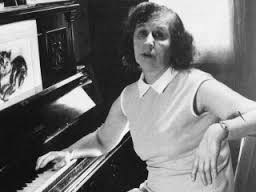
Rosemary Brown
Twentieth-century British medium who specialized in musical compositions she claimed were dictated to her by deceased composers.
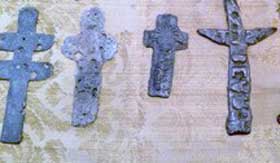
The Buried Crosses
Describes successful efforts in the 1930s to locate buried Aztec Indian relics from information provided by a spirit medium.
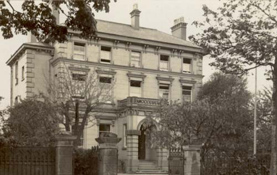
Cheltenham Ghost
An 1892 report described frequent sightings by multiple witnesses of an apparitional woman dressed in black.
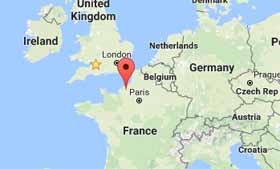
Cideville Poltergeist
Mid-nineteenth century French poltergeist case, with testimonies given in court about the phenomena.
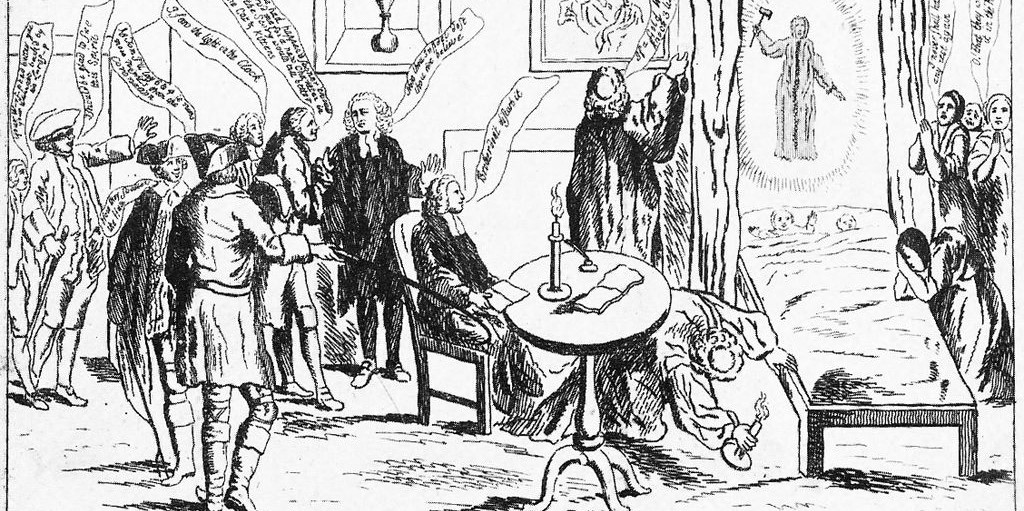
Cock Lane Ghost
Notorious 1762 haunting episode, in which disturbances in a London house became the cause of heated public controversy.
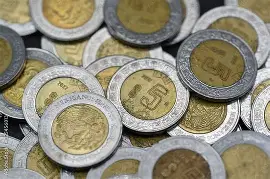
Coin Apports: The Mexico City Case
A variety of coins appeared without an obvious normal source or cause.

Cold Reading
Discusses the psychological strategies that can be used to simulate a mediumistic communication or psychic reading.
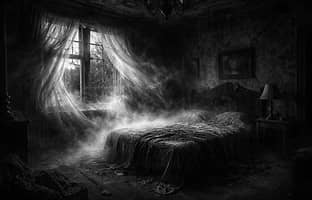
Cold Spots
Sudden sensations or measurements of temperature variations recur in reports of apparitions, séances and hauntings.
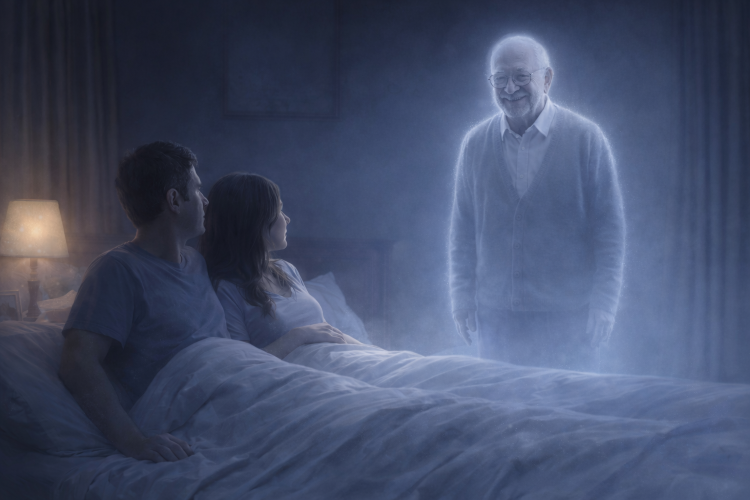
Collective Apparitions (Theories)
Apparitions perceived by more than one person provide some theoretical challenges.
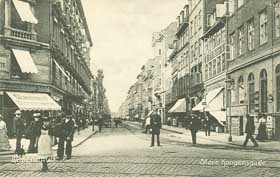
Copenhagen Fire
Early nineteenth-century mediumship case in which a communicator in Iceland reported a fire then underway in Denmark.
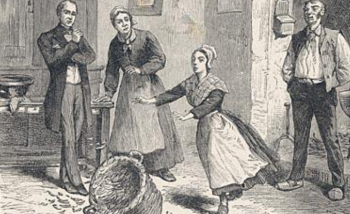
Angelique Cottin
French girl who was the centre of psychokinetic disturbances that made an international sensation.
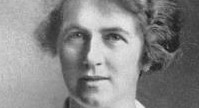
Mina Stinson Crandon (Margery)
Controversial American physical medium who caused a split in the ASPR in the 1930s.
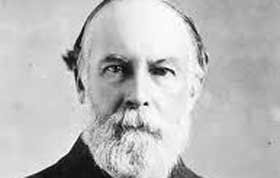
The Cross-Correspondences
Apparently coordinated messages through different mediums, thought to provide strong evidence of survival.

Geraldine Cummins
Irish medium who published automatic scripts said to originate with well-known people in their discarnate state.
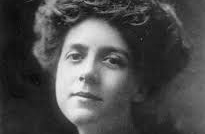
Pearl Curran (Patience Worth)
Author of critically acclaimed novels, poems and other works t said to be channeled from discarnate entities.
de Rochas on Physical Mediumship
A 1896 book provides detailed descriptions of phenomena produced by European mediums.
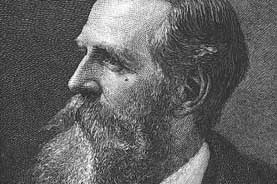
Did Robert Swain Gifford Survive Death?
Analysis of the Thompson-Gifford case of ostensible possession as evidence of survival.
Drop-In Communicators
Communicators unknown to both medium and sitters who provide enough information for their identification.
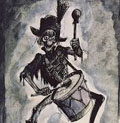
Drummer of Tedworth
Poltergeist case investigated by Joseph Glanvill (1636–1680), one of the first to receive serious scrutiny.
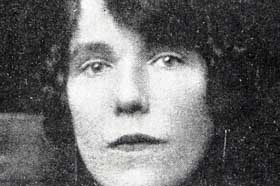
Edgar Vandy (proxy case)
In this 1930s case, four mediums independently gave strikingly similar information about a young man's death by drowning.
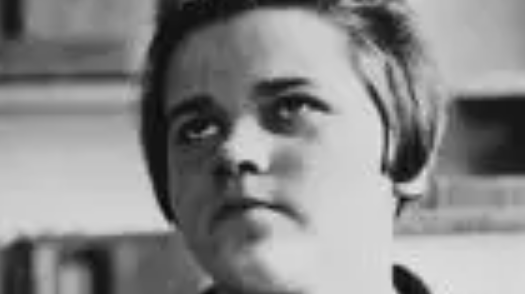
Eleonore Zugun (Talpa Poltergeist)
Adolescent Romanian girl (1913–1991), the centre of a well-documented 1920s poltergeist-type episode.

Encounters with the Deceased
Describes types and characteristics of encounters with deceased loved ones in dreams and elsewhere.
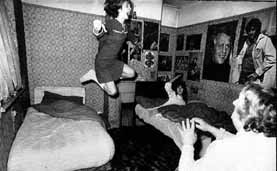
Enfield Poltergeist
Celebrated 1970s case in which poltergeist disturbances were documented over a two-year period.

Envelope, Cipher and Lock Tests of Survival
Prospective tests of post-mortem communication have not succeeded as planned.
Felix Experimental Group
German circle for physical mediumship noted for the magnitude and diversity of its phenomena.
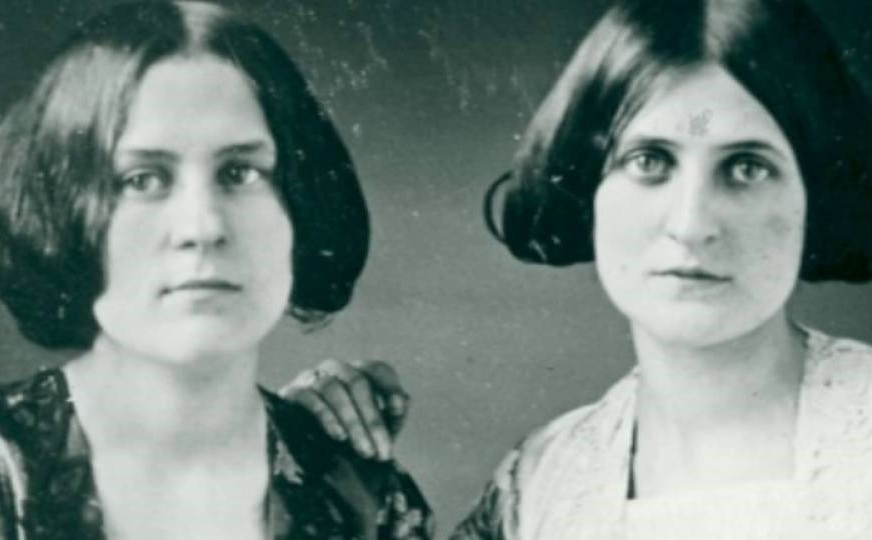
Fox Sisters
American women who were at the centre of poltergeist-type disturbances and later helped found Anglo-American Spiritualism.
Luiz Antônio Gasparetto
Brazilian medium well-known for paintings made in trance at high speed and attributed to deceased artists.
George Chapman and William Lang
British trance medium reputed to channel the spirit of William Lang, an ophthalmic surgeon.
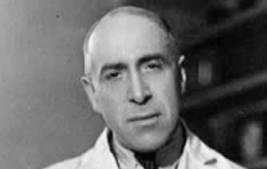
Ghost Hunting
'Ghost hunting’ is a popular term for the investigation of claims of site-based phenomena, such as apparitions and poltergeists.
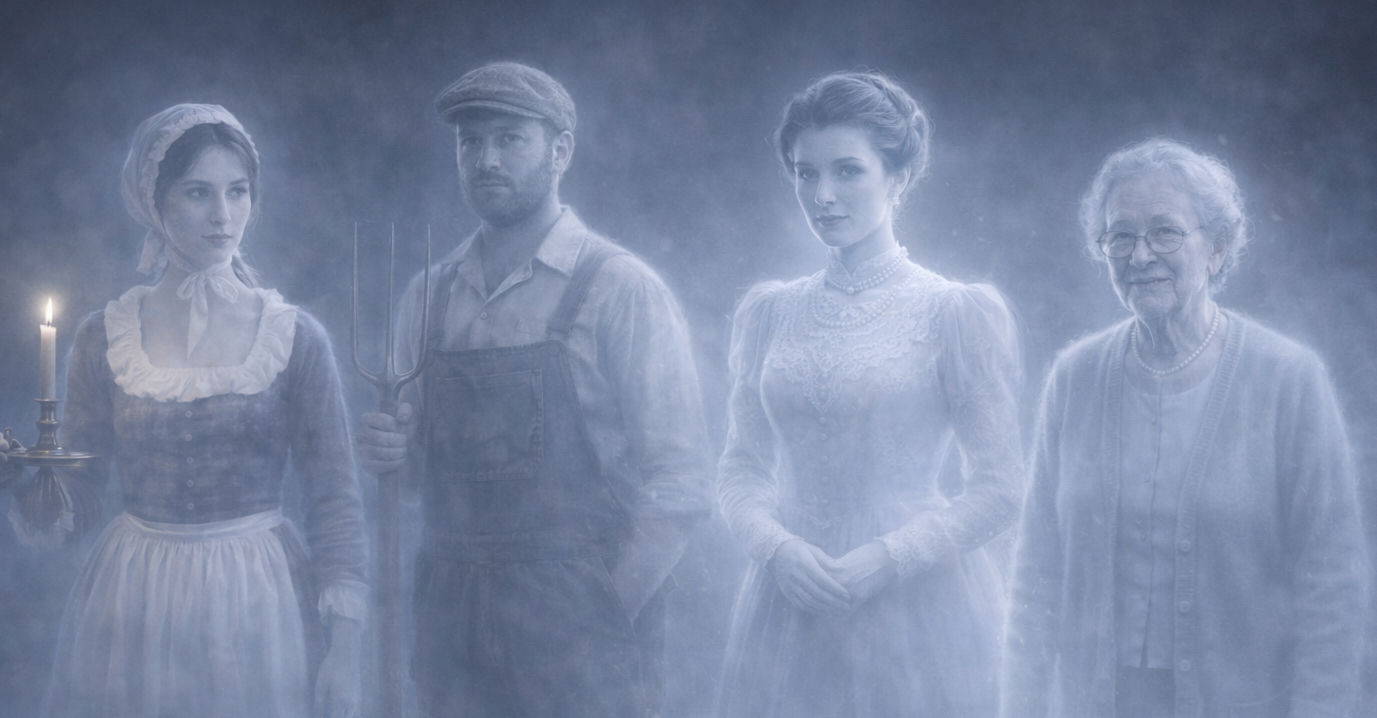
Ghosts and Apparitions in Psi Research (Overview)
Types of ghostly phenomena, methods of research and theories of causation.

The Glastonbury Scripts
Communications through a medium, seemingly in an attempt to help an archaeologist with his excavations.
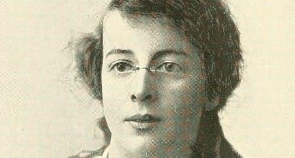
Goligher Circle
Northern Irish Spiritualist group reported to produce striking PK phenomena, the subject of research in the 1910s.

Hafsteinn Björnsson (medium)
Icelandic trance medium (1914-1977) who produced 'drop-in' communications and xenoglossy.
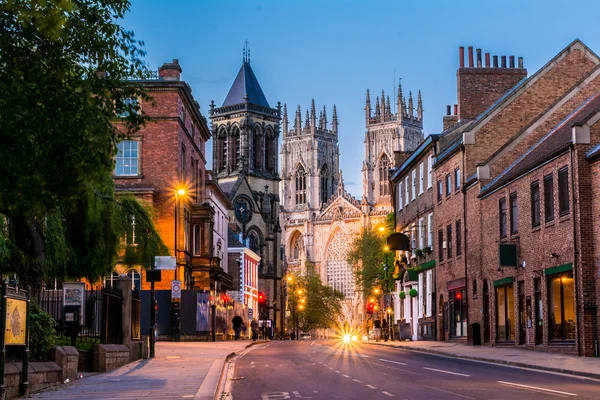
Haunted York
York's reputation as Britain’s most haunted city rests on a long history of reported apparitions and other anomalies.
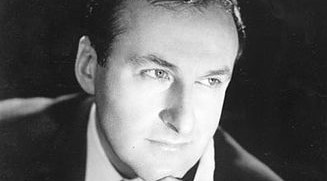
Hans Holzer
Austrian-born American author (1920–2009) and lay paranormal investigator, largely of hauntings and poltergeists.

Daniel Dunglas Home
Well-known nineteenth century medium, some of whose phenomena were observed in controlled conditions.
Hornby Apparition
This late 19th century case was discredited by discrepancies in the original account but an alternative interpretation has been advanced.

Infrasound
Infrasound (audio frequencies below normal human hearing) has been suggested as the cause of paranormal-seeming effects.
Investigation of Rudi Schneider by Eugène Osty
Tests of an Austrian physical medium with instruments suggested psychokinesis.

Is Xenoglossy Evidence of Survival?
Xenoglossy in mediumship is less indicative of survival than some researchers assume.

The Junot Sittings with Leonora Piper
Highly evidential communications purporting to come from the surviving spirit of a deceased teenager.

Gladys Osborne Leonard
British trance medium who collaborated with SPR investigators in the 1920s and 1930.
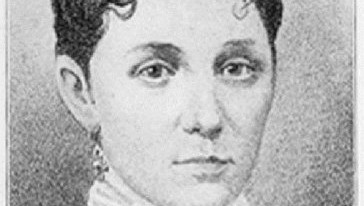
Lurancy Vennum (Watseka Wonder)
A 13-year old girl appeared for some months to be possessed by the spirit of a girl who died years before.
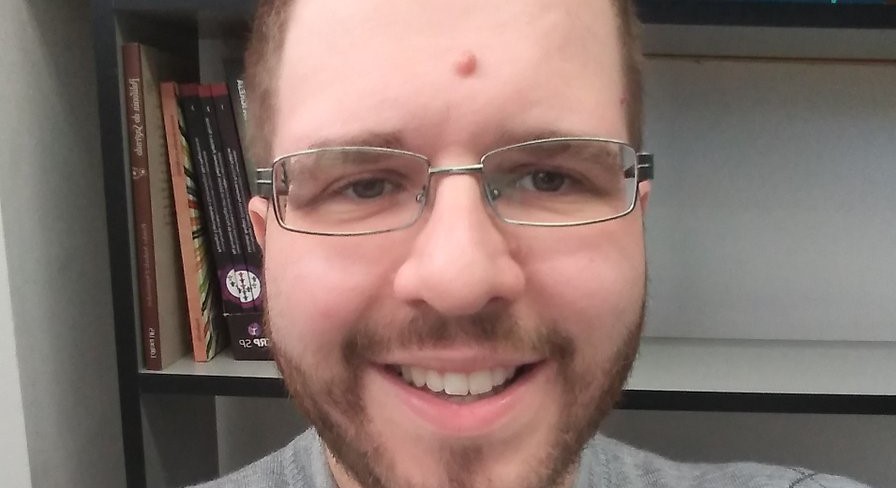
Everton de Oliveira Maraldi
Brazilian psychologist with research interests in the psychology of non-ordinary experiences, spirituality, religion and health.
Maróczy Mediumistic Chess Match
Match played between a living Russian grandmaster and a deceased Hungarian one.
Mediumship and Multiple Personality
The personalities of mediumistic communicators are similar to dissociative identity disorder.
Mediumship and Pathology
During the 19th and early 20th centuries, some in medicine regarded mediumship as an abnormal condition.
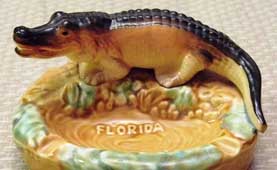
Miami Poltergeist
1960s episode in which Florida-themed souvenir items were seen repeatedly falling from warehouse shelves.
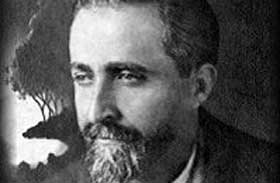
Carlos Mirabelli
Brazilian medium (1889–1951) credited with phenomena of similar power and frequency to those associated with DD Home.

Modern Mental Mediumship Research (Overview)
A review of studies carried out with mental mediums in Britain, Europe and America since 2001.

Morselli’s Psicologia e Spiritismo
Study of Eusapia Palladino, with emphasis on clinical and psychological aspects of the case.
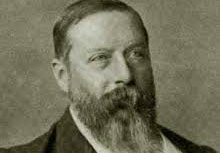
William Stainton Moses
British Anglican priest and teacher who described experiences with mediumship in a private circle.

Noah’s Ark Society for Physical Mediumship
The NAS originated in a home circle in 1990 and indirectly fostered the later Scole Circle.
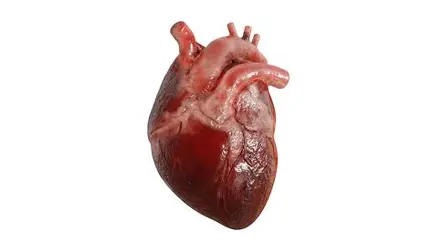
Organ Transplants and Post-mortem Survival
Recipients of organ transplants may take on the personality of their donors.
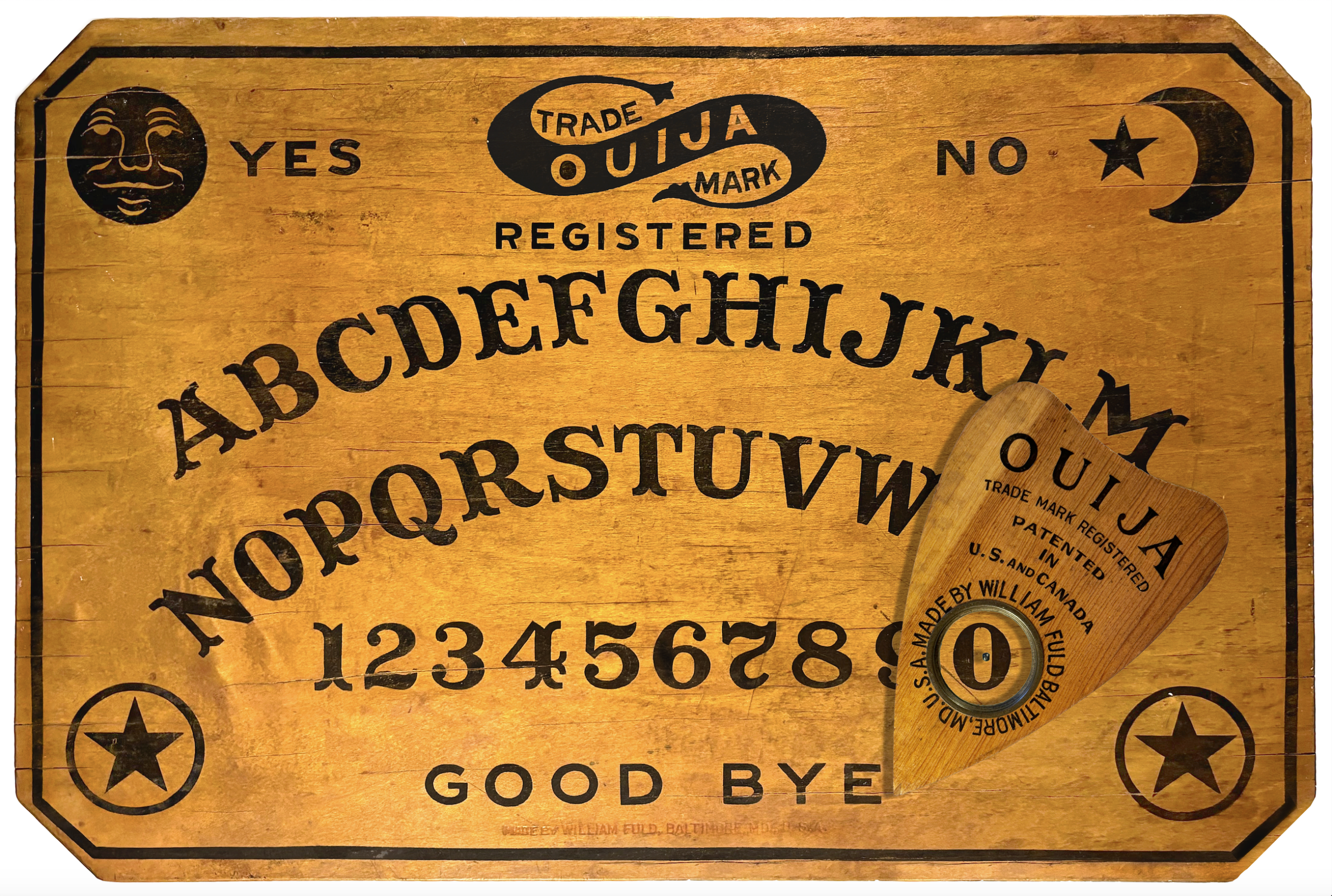
Ouija Board
Ouija boards have sometimes allowed for veridical communications from apparent spirit entities and for automatic writing in creative productions.

Eusapia Palladino
Nineteenth century Italian trance medium (1854–1918) who produced psychokinetic phenomena of striking strength.

Patience Worth (analysis)
Should the writings of 'Patience Worth' be considered as products of creative dissociation?
Perspectival Postmortem Awareness
How could a deceased person view events in the physical world in the absence of a body with sense organs?
Philip Psychokinesis Experiments
Landmark 1970s experiment in which a Canadian sitter group created PK phenomena.

Physicalism and the Soul
Explores the nature of souls, afterlives, and possible gods compatible with modern physicalist science.
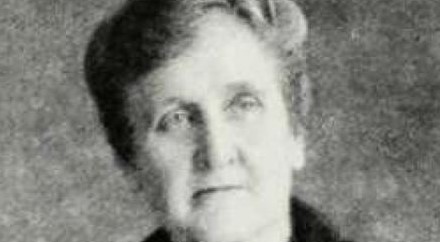
Leonora Piper
American trance medium (1859–1950), the subject of extensive investigations by British and American psychical researchers.
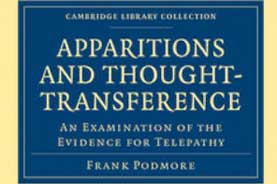
Podmore’s ‘Apparitions and Thought-Transference’
Argues that apparitions may be explained through telepathy.
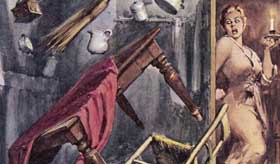
Poltergeists (Overview)
This article provides an introduction to poltergeist research, describing major cases and theoretical perspectives.
Post-mortem Survival
This article describes research on the question of whether the human mind can survive bodily death.
Postmortem Survival: What Makes an Ideal Case?
Stephen Braude considers what would make the best evidence for survival.
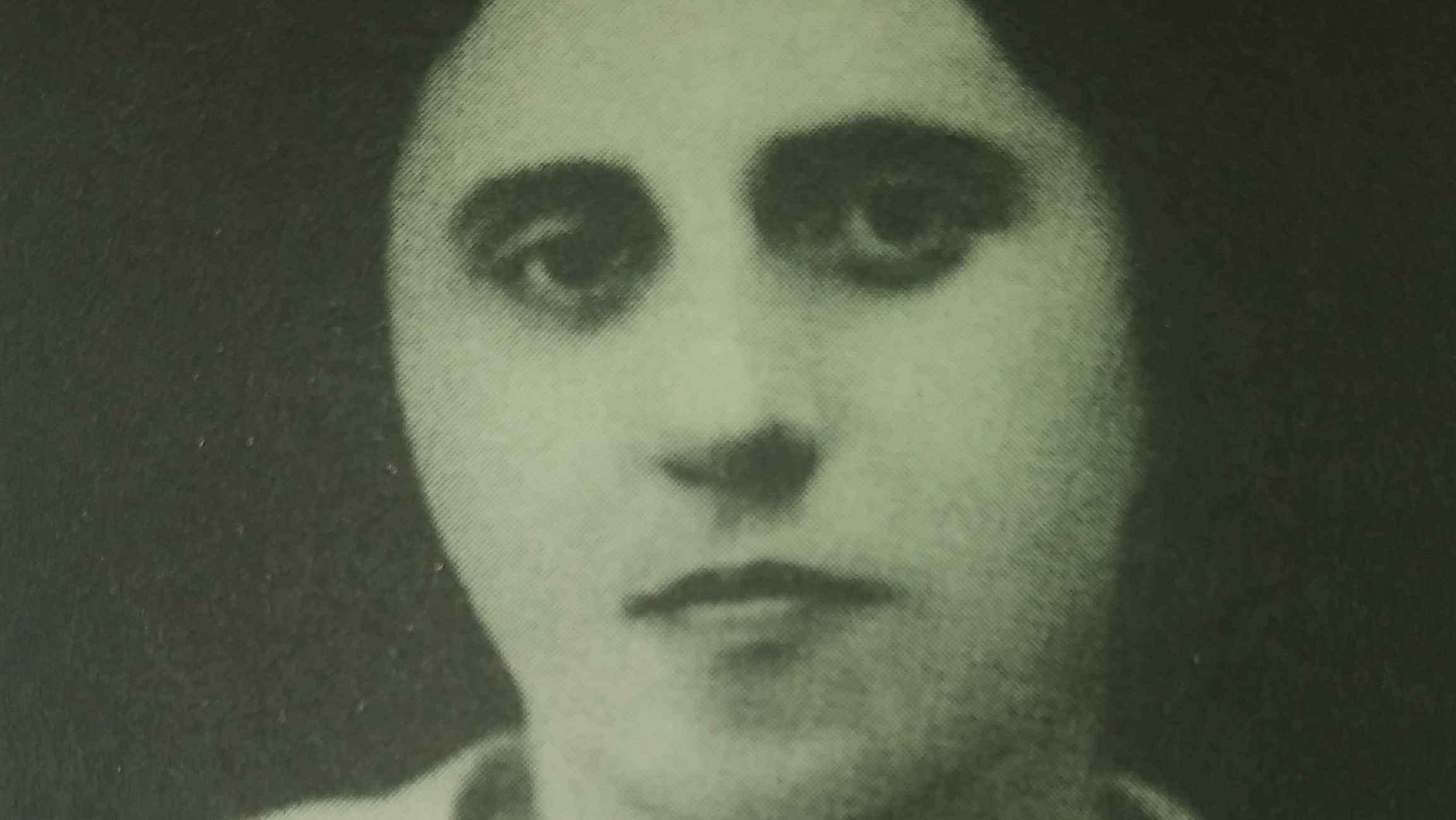
Anna Prado
Brazilian spiritist medium (1883–1923) reputed to produce direct writing, levitations, apports and materialization phenomena.
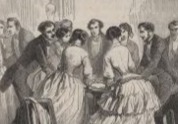
Psychical Research before 1882
Several investigators of séance phenomena helped prepare the ground for the creation of the SPR in 1882.
Psychological Aspects of Poltergeist Cases
Reasons to think that most poltergeist disturbances have living rather than deceased agents.
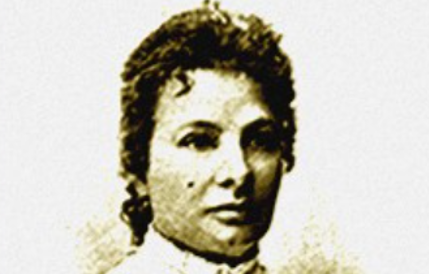
Elizabeth Jane Puttock (Elizabeth d’Esperance)
British medium whose materialisation séances attracted both supporters and critics.
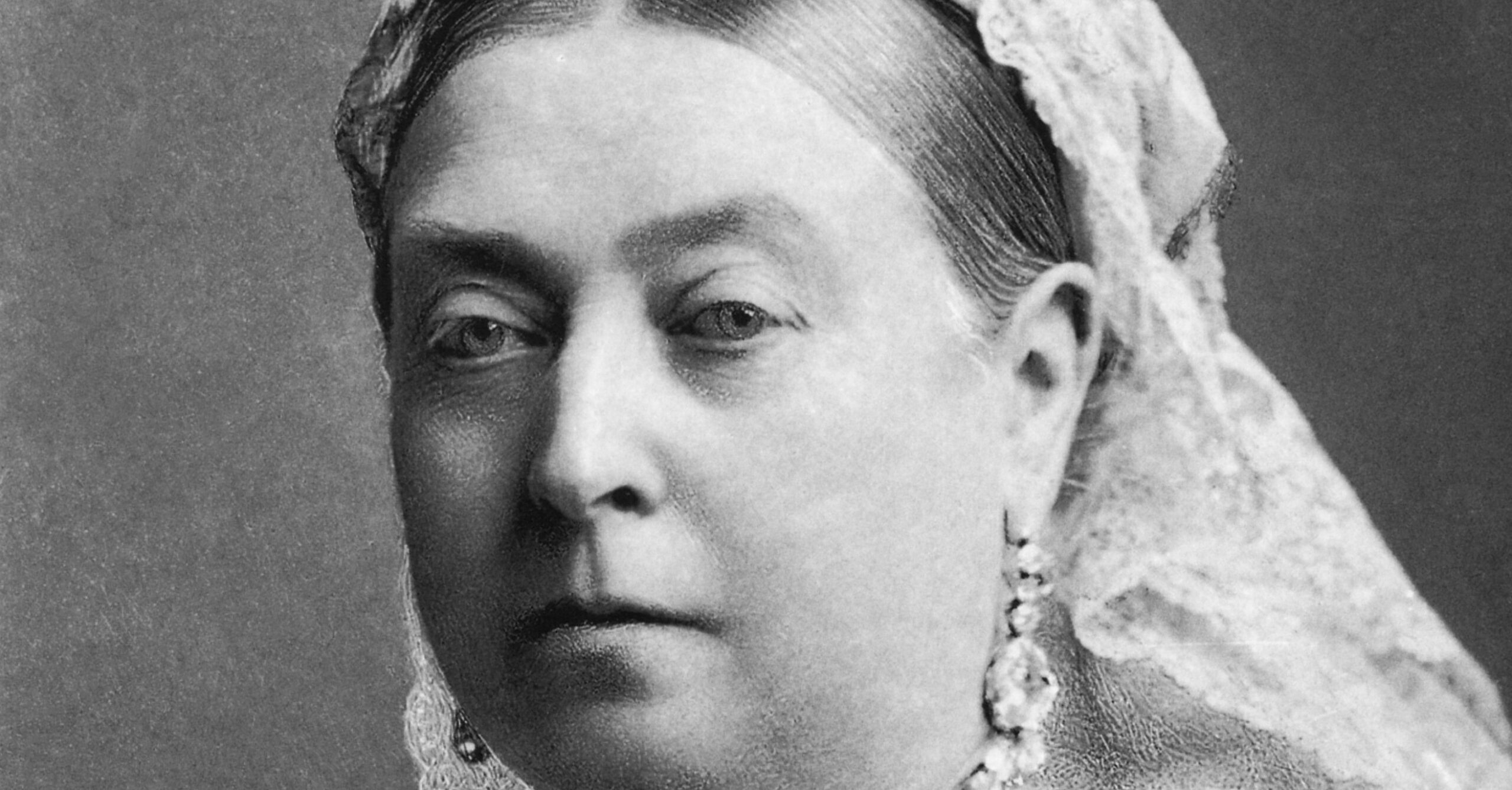
Queen Victoria and Spiritualism
Queen Victoria took an interest in Spiritualism, particularly after the death of her mother and Prince Albert.
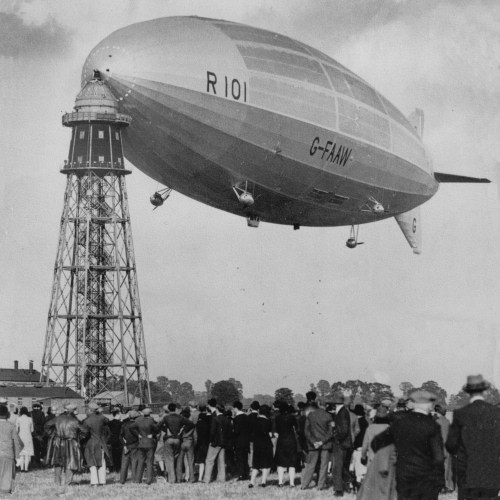
R-101 Airship Disaster
Classic case, in which a communicator identified himself as captain of an airship that had crashed two days earlier.

Reciprocal Apparitions
Reciprocal apparitions are experienced in out-of-body states at the same time they are perceived by others.
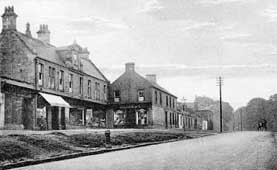
Sauchie Poltergeist
Poltergeist disturbances centering on an 11-year-old girl. in a Scottish village in 1960.
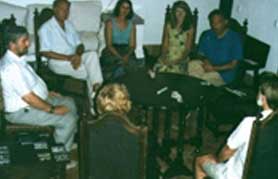
The Scole Circle
This Norfolk-based group held séances during the 1990s, claiming to have communicated with spirits and observed other phenomena.
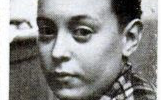
Seaford Poltergeist
Poltergeist-type disturbances in 1958 in Seaford, Long Island, New York, centering on a 12-year-old boy.
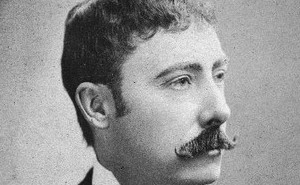
Jesse Shepard (Francis Grierson)
Outstanding musical performer (1848–1927) who attributed his gifts to discarnate entities through mediumship.
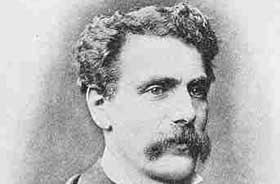
Henry Slade
Nineteenth century physical medium accused of fraud who also produced PK phenomena in well-controlled conditions.
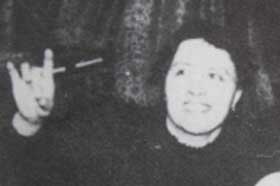
Hélène Smith (Catherine-Élise Muller)
Swiss medium (1861–1929), the subject of a classic study by Théodore Flournoy showing psychological dimensions of mediumship.

Soul Weighing Experiments
Attempts have been made to confirm the existence of a soul by seeking a change of weight in bodies at the point of death.
Minnie Meserve Soule
Important American trance medium (1867–1936) who worked closely with researchers for three decades.
Spirit Possession in Cross-Cultural Perspective
There is great overlap in the expression of mediumship and spirit possession.
Spirit Release Therapy
Clinical treatment used with patients who appear to be ‘possessed’ by harmful spirit entities.

Stans (Switzerland) Poltergeist
Mid-19 century poltergeist case, in which disturbances tormented a Swiss family for weeks.
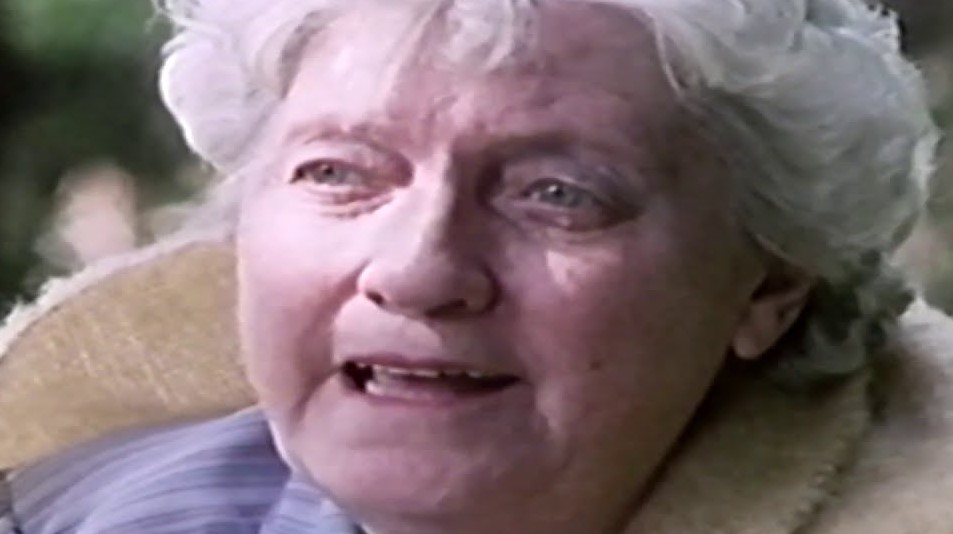
Doris Stokes
Doris Stokes (1920–1987) was a controversial celebrity medium who was much in the public eye in Britain during the 1980s.

The Super-Psi Hypothesis
Claim that psychic functioning is more extensive than supposed, able to explain most evidence for survival.
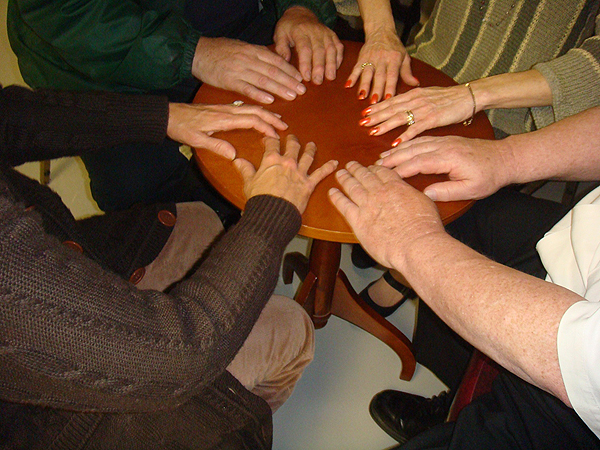
Table-Turning
‘Table-turning’ (or ‘table-tipping) refers to the anomalous movement of tables and other furniture during séances.
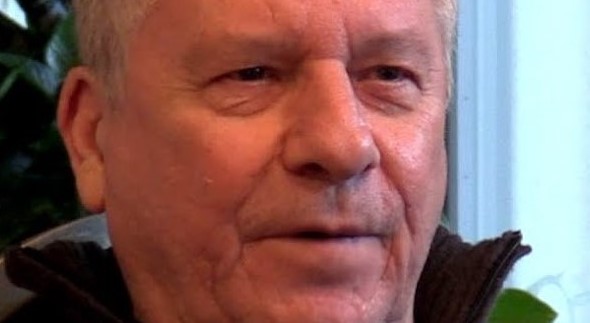
Barry E Taff
Barry Taff is an American author and investigator of hauntings, UFOs and alien abduction phenomena
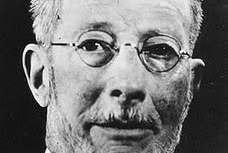
Charles Drayton Thomas
Methodist minister (1867–1953) who studied mental mediumship, chiefly of Gladys Osborne Leonard.
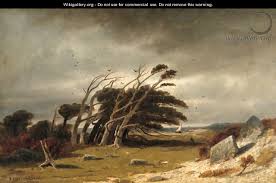
The Thompson-Gifford Case
19th century case of a jeweller who was driven to produce high quality paintings in the style of a recently deceased landscape painter.
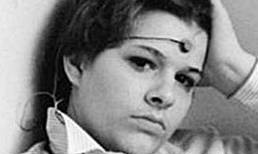
Tina Resch (Columbus Poltergeist)
Focus of poltergeist-type phenomena at her home in Columbus, Ohio, in 1984,
Hester Travers Smith (Hester Dowden)
British automatist who believed she was in contact with the deceased Oscar Wilde.
Peter Underwood
British paranormal researcher long associated with the Ghost Club, author of more than 50 about haunting phenomena.

George Valiantine
American direct voice medium, noted for foreign languages heard during his sittings, viewed with suspicion by some investigators.

Versailles ‘Time-Slip’
An experience in the gardens of Versailles, described by two Englishwomen in their 1911 book An Adventure.

Vienna Workshop Poltergeist
A Viennese member of the SSR describes poltergeist disturbances he witnessed.

Visualizing the Supernatural
This 2025–26 museum exhibition traced 250 years of visual culture surrounding apparitions, mediumship and the occult.
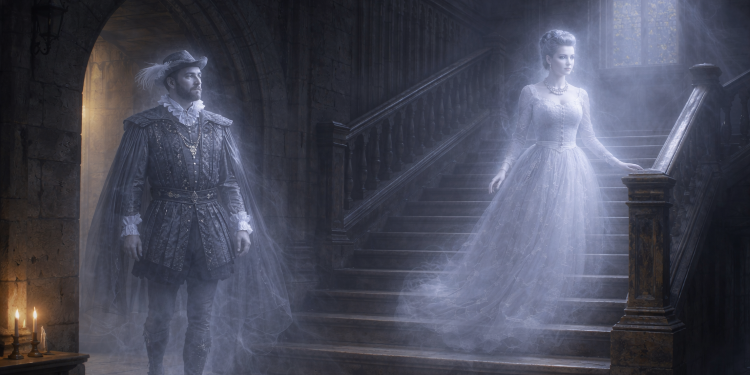
Why Do Ghosts Wear Clothes?
Sceptics use the fact that apparitions appear fully clad as reason to doubt them. This article discusses why they might.
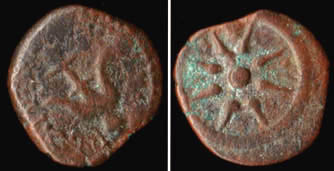
The Widow’s Mite
Veridical mediumistic communications about a misplaced ancient Roman coin that suggest postmortem survival.
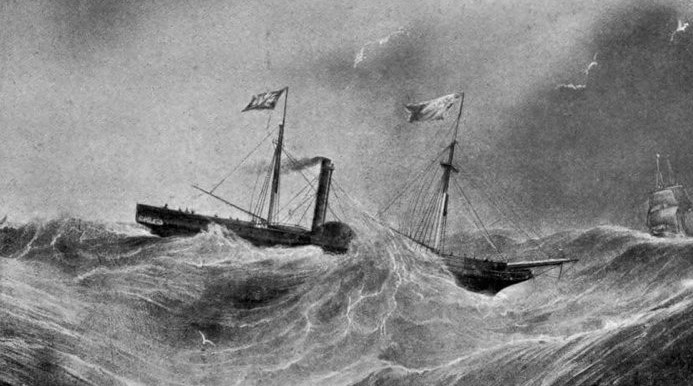
Wilmot Apparition
19th century case in which a woman felt herself go out-of-body to her husband's ship, where she was perceived by him and another person.

Windbridge Institute
Institution founded in 2008 to conduct research on psi functioning, with an emphasis on real-world applications.
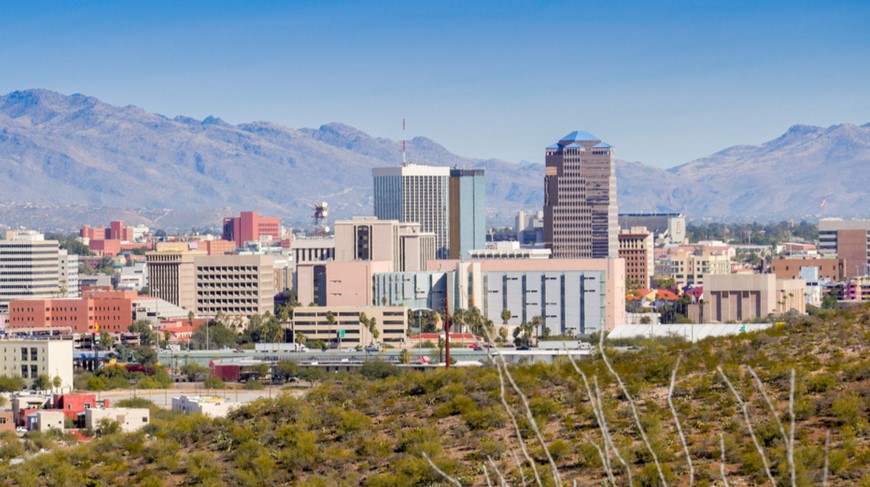
Windbridge Research Center
Non-profit research institute based in Tucson, Arizona, dedicated to the rigorous study of mental mediums.
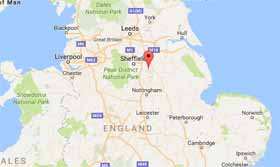
Worksop Poltergeist
Report by an SPR investigator of poltergeist-type disturbances in 1883 in Worksop, England.
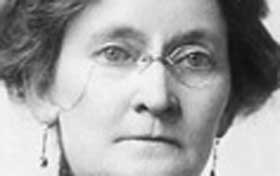
Etta Wriedt
American direct-voice medium (1859–1942) of considerable power, according to observers who attended sittings in the US and Britain.
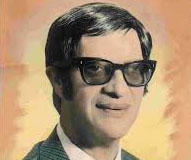
Chico Xavier
Popular Brazilian medium (1910–2002) celebrated for his prolific output of poetry, fiction and Spiritist philosophy.

Wellington Zangari
Brazilian psychologist whose research interests include anomalistic psychology, hypnosis and altered states of consciousness.