
Caroline Watt is a Scottish psychologist and founding member of the University of Edinburgh’s Koestler Parapsychology Unit, holding the post of the chair there between 2016 and 2024. Now an Emeritus Professor of parapsychology, she has made contributions to understanding psi from both a proponent and sceptic angle, with an emphasis on improving methodological rigour.
- At Edinburgh’s Koestler Parapsychology Unit, Watt combined psi research with mainstream psychological methods and teaching.
- She and colleagues proposed prospective meta-analysis, requiring individual studies to be preregistered, and the plans for conduct of the meta-analysis to be preregistered, before results are known.
- Her sleep laboratory dream precognition study reported no evidence for the hypothesised effect; however she has found such evidence in other dream and ganzfeld studies.
Life and Career
Caroline Watt graduated with a Master’s degree in psychology from the University of St Andrews in 1984. In 1986 she started work as a research assistant with the first Koestler Professor, Robert Morris. Watt was a founding member of the Koestler Parapsychology Unit (KPU), based in the University’s psychology department. She obtained a PhD in 1993 under Morris’s supervision.
Watt continued working at the KPU until 2006 as a research fellow, then took up an appointment as Senior Lecturer in psychology at the University of Edinburgh. In 2010, she won the Perrott-Warrick Senior Researcher fellowship. In 2016, Watt was appointed the Koestler Chair of Parapsychology. In addition to supervising postgraduate students and teaching, she ran an online parapsychology course (2008-2023). The course sought to provide a balanced and scholarly approach to the field.1Sturgess (2010).
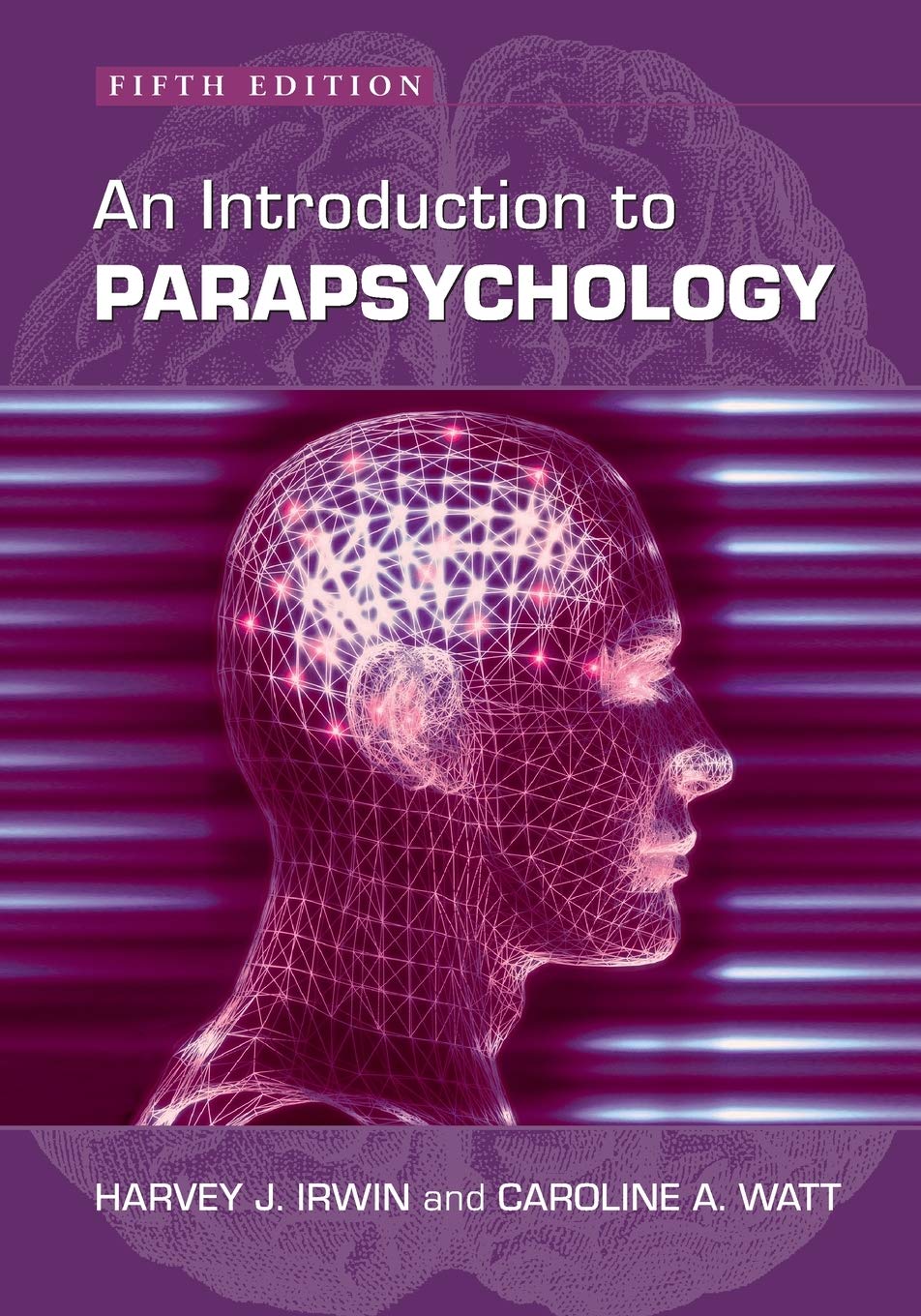
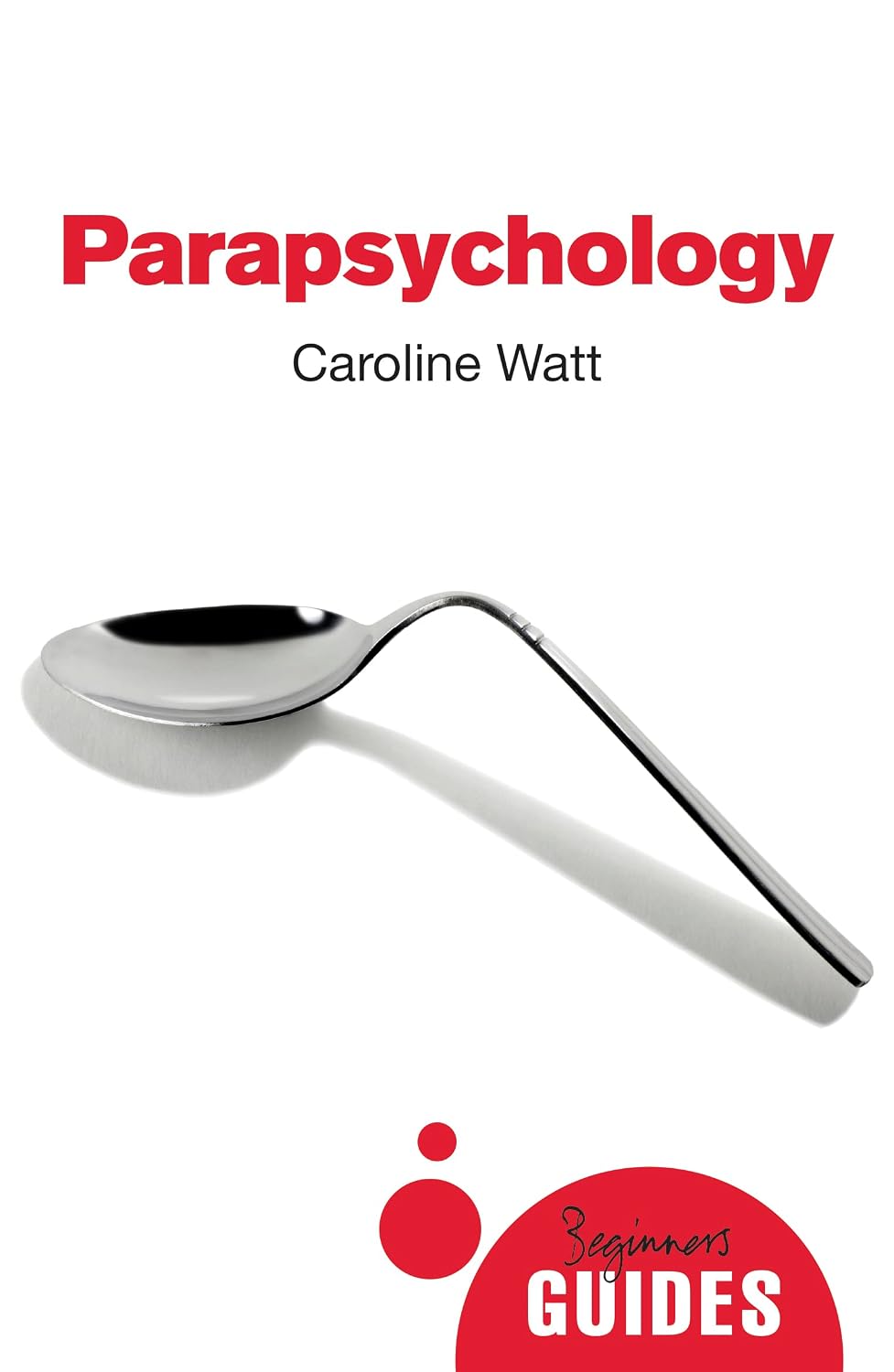
Watt together with Richard Wiseman edited Parapsychology, a collection of important articles. Harvey Irwin invited her to be the second author of the fifth edition of An Introduction to Parapsychology, which was published in 2007. Watt has also written a book by herself, Parapsychology: A Beginner’s Guide, published in 2016. She retired from the University of Edinburgh in 2024. Watt was elected President of the Society for Psychical Research (SPR) in 2025.
Parapsychological Research
Ganzfeld ESP Research
Watt’s main research focus in the last decade has been ganzfeld ESP, aided by her PhD student Abby Pooley, who was exploring methodological lessons.2Pooley (2024).
Precognition in the Ganzfeld
Increasingly, parapsychologists are preregistering experiments online in order to advance methodological quality. This practice is exemplified in a ganzfeld precognition study conducted by Watt and co-authors that sought to optimise any potential psi effect size by selecting participants for self-reported creativity, prior psi experience, belief, or proficiency in mental disciplines. Unusually, the study also attempted to address experimenter effects by selecting experimenters with a positive expectation for the study outcome and limiting each experimenter to conducting twenty trials. The team streamlined the methodology to ensure data security by using an automated precognition design. Following the ganzfeld impression period, participants rated four video clips against their mentation reports; the target clip was then randomly selected and played to them as feedback. Direct hits occurred 22 times out of 60 (37%) where 25% is expected by chance. This was statistically significant (p = 0.03). The authors concluded these data support the study hypothesis that participants would be able to correctly identify the randomly chosen future target video clip.3Watt et al. (2020).
A follow-up large scale ganzfeld precognition study with selected participants has since been completed and will be published shortly. As reported at the 2025 SPR Conference, this study with 240 participants obtained a statistically significant 30% hit-rate. Preregistration details can be found here.
Sender-Receiver Factors
Along with Pooley and Murray, Watt has explored the factors important for psi-hitting between senders and receivers. Forty-one studies comprising 1,624 sessions published between 1988 and 2021 entered the meta-analysis. Out of five key factors examined, two appeared to make a significant difference to the outcomes: 1) senders given audible access to receiver mentation and 2) post-session joint receiver-experimenter judging of mentation, with the former associated with a 7% increase in hit rate and the latter a 10% decrease in hit rate. The authors speculate that for factor 1: hearing receivers describe their impressions may motivate the senders to focus and that for factor 2: allowing experimenters to interact with receivers might impair their judgements resulting in reduced hit rates.4Pooley et al. (2023), 20.
Distant Influence
Placebo Effect in Distant Healing
Watt and Easter investigated the role of expectancy effects in a distant healing experiment, testing whether healing outcomes were affected either by a person’s belief in healing or their knowledge of which group (healing or control) they were placed in. Sixty participants were recruited from a rheumatology outpatient clinic and randomly allocated to either the control or healing group. Awareness of being a recipient of distant healing was found to be associated with an improvement in health, whereas participants unaware of the group to which they were allocated showed no improvement. Pre-existing belief in healing had no effect on outcomes. The dominant influence on health was knowledge of group allocation.5Easter & Watt (2011).
Experimenter Effects in Remote Helping
Studies have shown that a remotely located person is able to influence, at a distance, the ability of a person to focus attention on a simple task.6Edge & Morris (2004). Watt and Ramakers carried out an extension experiment in which a ‘helpee’ focuses attention on a candle and presses a button whenever she feels distracted, while a ‘helper’ focuses attention at randomly determined intervals on improving the concentration of the helpee, resulting in fewer button presses. Nine believers in psi and five disbelievers were trained to conduct an experimental session and then conducted 36 psi trials each. Overall, there were fewer button presses compared to the control sessions (p = 0.04) indicating evidence for distant influence on attention. Additionally, there was a clear cut experimenter effect: psi believer experimenters were more successful than disbeliever experimenters at eliciting a distant influence effect from participants.7Watt & Ramakers (2003).
Blocking and Co-operating Strategies
Can the distant influence effect be blocked by the influencee? In a study with 32 participants (influencees) and three influencers, Watt found no difference in distant influence on receivers’ electrodermal activity (EDA) between co-operating and blocking conditions. A second study with 50 participants and two influencers likewise found no difference in outcomes between co-operating and blocking conditions, but there was evidence of an overall distant influence effect (p = 0.04). Watt concluded that there was overall evidence of a distant influence effect but no evidence that influencee mental strategies made any difference to the results.8Watt et al. (1999)
Psi-Supportive vs Psi-Unsupportive Experimenters
In order to measure the impact of experimenter approach on distant influence effects, eighty participants were greeted by an experimenter who gave either psi-supportive or negative suggestions before a remote facilitation of attention-focusing task. No overall remote facilitation of focusing effect was found, and there was also no measurable impact of psi-positive or negative suggestions on psi performance. There was a statistically significant effect of suggestion on a variety of psychological factors but not on the psi task itself.9Watt & Baker (2002).
Dream Precognition
From 2010 to 2014, Watt pursued a programme of dream precognition research with the support of the Perrott-Warrick Senior Researcher Fellowship and her PhD student Milan Valášek. Dream ESP studies have become less successful since home testing replaced the use of sleep laboratory studies. Some have attributed this to the lack of EEG monitoring and recording of mentation. To test this view, Watt arranged for twenty participants, selected for prior precognitive dream experience, to sleep in a laboratory, and encouraged them to dream about a target picture that they would later view. An independent judge rated the dreams against the target and decoys. Watt found no evidence for dream precognition, suggesting that the hypothesis was unsupported.
However, another dream precognition study conducted by Watt and Valášek, where participants slept at their homes and submitted their dream reports online, did obtain evidence supporting the study hypothesis.10Watt (2014); Watt & Valášek (2015). Further work aimed solely at understanding the psychological underpinnings of precognitive dreaming found no support for the assertion by sceptics that they are produced by implicit processing.11Valášek et al. (2014). However, evidence was found that selective recall and propensity to find correspondences between dream mentation and real-world events could act to exaggerate the frequency of perceived spontaneous precognitive dream experiences.12Watt, et al. (2014). Watt also found that the method by which spontaneous precognitive dream reports were collected could bias the reported characteristics. Retrospectively-reported precognitive dreams tended to be rated as more vivid and emotionally intense than prospectively-recorded precognitive dreams.13Watt et al. (2015).
Twitter and Remote Viewing
Watt and Wiseman enlisted thousands of Twitter users to try remote viewing a randomly chosen target being visited and ‘transmitted’ by an experimenter. The first half of the experiment involved non-blinded judging by the participants themselves, who unsurprisingly rated the known target as corresponding most closely with their remote viewings; the greater their belief, the greater the rated correspondences. When blind judging was applied the results fell exactly at chance and the relationship between belief in remote viewing and psi-scoring disappeared.14Wiseman & Watt (2010).
Belief in Good Luck
Belief and expectation are important factors in psi outcomes. Watt arranged for 60 volunteers to take part in a study designed to explore the relationship between belief in luck and performance at two games of chance: the UK National Lottery and dice throwing. As predicted, belief in good luck correlated positively with expected success in the lottery (p = 0.02) and dice throwing (p = 0.01). Participants who believed that they would be lucky at the lottery performed significantly better than those who did not (p = 0.013).15Watt & Nagtegaal (2000).
Methodological Advances
Replication Issues
Together with James Kennedy, Watt has focused attention on the need for improved reporting standards in the behavioural sciences. Watt and Kennedy created an online registry of psi studies at the Koestler Parapsychology Unit (KPU),16Watt & Kennedy (2017). which now has more than one hundred pre-registered studies.17Watt & Kennedy (2015). Based on their experiences running the KPU Registry, Watt and Kennedy have advised psychologists on how to improve study registration practices in psychology.18Watt & Kennedy (2015).
Although mainstream psychologists have only recently begun to address these issues, the European Journal of Parapsychology (EJP) pioneered the option of journal-based pre-registration of experiments. To judge the impact on outcomes, Watt and Richard Wiseman compared experimental findings for EJP’s pre-registered versus non-pre-registered studies, finding a clear decrease in the number of significant studies when authors adopted the former model.19Wiseman et al. (2019). A recent follow-up investigation by the pair reported a similar pattern when comparing studies pre-registered in the KPU Registry with non pre-registered studies. Such findings, which have also been observed within mainstream psychology, suggest that study pre-registration helps to strengthen research integrity.20Wiseman & Watt (2026).
Prospective Meta-Analysis
Just as study registration can be used to improve the conduct and reporting of individual studies, the same principle can be applied to the analysis of groups of studies. The statistical technique of meta-analysis as it is usually applied (retrospectively) has had only limited success in resolving debates about psi. Often debate centres on whether researcher bias has influenced the criteria for conducting the meta-analysis, and meta-analyses in psychology have faced similar challenges. Watt and Kennedy propose registration-based prospective meta-analysis, in which the criteria for studies to be included in a meta-analysis are decided in advance of the study results being known. In order to prevent bias, studies must be registered before data collection begins (pre-registration). Such a meta-analysis would be of greater evidential value if it returned a positive outcome.
Launched by Watt in 2017, parapsychology’s first prospective meta-analysis, for ganzfeld ESP studies, is now underway. The above-mentioned ganzfeld precognition study was the first to be included in the prospective meta-analysis. The growing list of included studies is here. A wider aim of this prospective meta-analysis is to learn lessons that may be of benefit to researchers in related areas, such as psychology. Accordingly, Watt and colleagues have recently drawn the attention of behavioural scientists to the limitations of retrospective meta-analysis.21Kennedy et al. (2026) Again, this is an example of parapsychologists promoting methodological advances with potential wider relevance.
What makes a good psi target?
The issue of optimal target selection is still not settled within the parapsychological community. To investigate this, Watt carried out forced-choice studies in which the targets were pictures, either emotionally-reactive or neutral, that varied in complexity. Participants tried to use ESP to guess whether each target was emotional or neutral. Overall scoring across three studies revealed no difference between emotional and neutral pictures, but there was a non-significant trend towards greater psi-identification of complex picture targets.22Watt (1996).
Diversity in Parapsychology
In a 2022 publication, Watt provides a personal perspective on diversity issues in parapsychology, traversing her early childhood in a farming family in Scotland, followed by her state education and degree training at University of St Andrews and the move to Edinburgh’s Koestler Unit. Watt observes that women are well represented in parapsychology, but typically suffer greater obstacles to remaining in the field, including delayed career progression due to maternity leave. She acknowledges advances in this area, whilst underscoring the need to address forms of inequality that stubbornly persist. 23Watt (2022).
Controversial Claims in Psychology
Magic-based Health Interventions
Watt and Wiseman reviewed studies that test the claim that learning magic tricks can offer therapeutic benefit and increase well-being in certain clinical populations. They found that most of the studies revealed beneficial outcomes, but most were of poor methodological quality, with small numbers of participants and a lack of control groups. Their review offers guidance on improving methodological quality.24Wiseman & Watt (2018).
Neuro-Linguistic Programming
Watt and Wiseman tested the assertion by practitioners of Neuro-Linguistic Programming (NLP) that certain eye-movements are indicators of lying. The eye movements of lying subjects were recorded but these did not match those expected from NLP. In a follow-up study the eye movements of both liars and truth-tellers in high profile press conferences were coded blindly by independent judges. No significant differences were found between liars and truth-tellers. Overall, the claims of NLP did not hold up to scrutiny.25Wiseman & Watt (2012).
Michael Duggan
Selected Articles
Watt, C. (2005). Parapsychology’s contribution to psychology: A view from the front line. [PDF Download.] Journal of Parapsychology 69/2, 215-232.
Watt, C., Dawson, E., Tullo, A., Pooley, A. & Rice, H. (2020). Testing precognition and alterations of consciousness with selected participants in the ganzfeld. Journal of Parapsychology 84/1, 21-37.
Watt, C., & Kennedy, J.E (2015). Lessons from the first two years of operating a study registry. [PDF Download.] Frontiers in Psychology 7, 173.
Watt, C., & Kennedy, J.E. (2017). Options for prospective meta-analysis and introduction of registration-based prospective meta-analysis. [PDF Download.] Frontiers in Psychology 7, 2030.
Wiseman, R., Watt, C. & Kornbrot, D. (2019). Registered reports: an early example and analysis. [PDF Download.] PeerJ 7, art. e6232
Works Cited
Easter, A., & Watt, C. (2011). It’s good to know: How treatment knowledge and belief affect the outcome of distance healing intentionality for arthritis sufferers. Journal of Psychosomatic Research 71/2, 86-89.
Edge, H., & Morris, R. (2004). Two cognitive DMILS studies in Bali. Journal of Parapsychology 68/2, 289-321.
Kennedy, J.E., Wiseman, R., & Watt, C. (2026). The emerging disenchantment with retrospective meta-analysis [PDF Download.]. Nature Human Behaviour 10, 1019-1021.
Pooley, A. (2024). Optimising methodological practices within psychology [PDF Download.]. [PhD thesis, University of Edinburgh].
Pooley, A., Murray, A., & Watt, C. (2023). Understanding the factors at play in the sender-receiver dynamic during the telepathy ganzfeld: A meta-analysis [PDF Download.]. Journal of Anomalous Experience & Cognition 3/1, 42-77.
Sturgess, K. (2010). A skeptic gets schooled: An introduction to parapsychology [Web Page.]. Skeptical Briefs 20/1.
Valášek, M., Watt, C.A., Hutton, J., Neill, R., Nuttall, R., & Renwick, G. (2014). Testing the implicit processing hypothesis of precognitive dream experience. [PDF Download.] Consciousness and Cognition 28, 113-25.
Watt, C.A. (1990). The value of spontaneous cases. [PDF Download.] Journal of the Society for Psychical Research 56/821, 273-86.
Watt, C.A. (1990–91). Psychology and coincidences. [PDF Download.] European Journal of Parapsychology 8, 66-84.
Watt, C.A. (1992). Defensiveness and psi: Problems and prospects. In Research in Parapsychology 1990, ed. by L.A. Henkel & G.R. Schmeidler, 102-6. Metuchen, New Jersey, USA: Scarecrow Press.
Watt, C.A. (1996). What makes a good psi target? Three studies of forced-choice ESP varying target emotionality and complexity. Journal of Parapsychology 60/1, 25-41.
Watt, C. (2014). Precognitive dreaming: Investigating anomalous cognition and psychological factors. Journal of Parapsychology 78/1, 115-25.
Watt, C. (2022). On being a (white, middle class) woman in parapsychology. [PDF Download.] Journal of Anomalistics 22/2, 280-85.
Watt, C., Ashley, N., Gillett, J., Halewood, M., & Hanson, R. (2014). Psychological factors in precognitive dream experiences: The role of paranormal belief, selective recall and propensity to find correspondences. International Journal of Dream Research 7/1, 1-8.
Watt, C., & Baker, I. (2002). Remote facilitation of attention focusing with psi-supportive versus psi-unsupportive experimenter suggestions. Journal of Parapsychology 66, 151-68.
Watt, C., Dawson, E., Tullo, A., Pooley, A., & Rice, H. (2020). Testing precognition and alterations of consciousness with selected participants in the ganzfeld. Journal of Parapsychology 84/1, 21-37.
Watt, C., & Kennedy, J. (2015). Lessons from the first two years of operating a study registry. [PDF Download.] Frontiers in Psychology 6, 173.
Watt, C., & Kennedy, J. (2017). Options for prospective meta-analysis and introduction of registration-based prospective meta-analysis [PDF Download.]. Frontiers in Psychology 7. 2030.
Watt, C.A., & Morris, R.L. (1995). The relationships among performance on a prototype indicator of perceptual defence/vigilance, personality, and extrasensory perception [PDF Download.]. Personality & Individual Differences 19/5, 635-48.
Watt, C., & Nagtegaal, M. (2000). Luck in action? Belief in good luck, psi-mediated instrumental response, and games of chance. Journal of Parapsychology 64/1, 19-38.
Watt, C., & Ramakers, P. (2003). Experimenter effects with a remote facilitation of attention focusing task: A study with multiple believer and disbeliever experimenters. Journal of Parapsychology 67/1, 23-32.
Watt, C., Ravenscroft, J., & McDermott, Z. (1999). Exploring the limits of direct mental influence: Two studies comparing “blocking” and “co-operating” strategies. Journal for Scientific Exploration 13, 515-35.
Watt, C., & Valášek, M. (2015). Postscript to Watt (2014) on precognitive dreaming: Investigating anomalous cognition and psychological factors. Journal of Parapsychology 79/1, 105-107.
Watt, C., Valášek, M., Cawthron, S., & Almanza, A. (2015). In the eye of the beholder: Uncovering the characteristics of prospectively reported spontaneous precognitive dreams. Journal of the Society for Psychical Research 79/918, 18-33.
Watt, C., & Wiseman, R. (2002). Experimenter differences in cognitive correlates of paranormal belief, and in psi [PDF Download.]. Journal of Parapsychology 66/4, 371-85.
Watt, C., Wiseman, R., & Vuillaume, L. (2015). Dream precognition and sensory incorporation: A controlled sleep laboratory study. Journal of Consciousness Studies 22/5, 12-19.
Wiseman, R., & Watt, C. (2010). ‘Twitter’ as a new research tool: Proof of principle with a mass participation test of remote viewing [PDF Download.]. European Journal of Parapsychology 25, 89-100.
Wiseman, R., & Watt, C. (2012). The eyes don’t gave it: Lie detection and neuro-linguistic programming [PDF Download.]. PloS One 7: e40259.
Wiseman, R., & Watt, C. (2018). Achieving the Impossible: A review of magic-based interventions and their effects on wellbeing [PDF Download.]. PeerJ 6: e6081
Wiseman, R., & Watt, C. (2026). Study preregistration: An early example and analysis [PDF Download.]. PeerJ, 14: e21360.
Wiseman, R., Watt, C., ten Brinke, L., Porter, S., Couper, S.L. & Rankin, C. (2012). The eyes don’t have it: Lie detection and neuro-linguistic programming [PDF Download.]. PloS One 7: e40259.
Wiseman, R., Watt, C., & Kornbrot, D. (2019). Registered reports: An early example and analysis [PDF Download.]. PeerJ 7: e6232.