
Callum E Cooper is based at the University of Northampton and at the California Institute for Human Science. His work ranges from ganzfeld and floatation tank studies, to spontaneous experiences and evidence of survival after bodily death. Cooper also engages in archival research and public communication. His work combines parapsychology with advocacy for scepticism, and he frequently appears on TV and radio.
- Cooper’s work combines parapsychology with advocacy for critical thinking, and biographical or archival scholarship.
- He initially worked on ganzfeld studies, turning then to floatation tank methods and exploration of altered states of consciousness.
- Cooper has also investigated telephone anomalies and the sense of being stared at.
Life and Career
Callum E Cooper was born in Nottinghamshire, United Kingdom, in 1988. He completed a BSc in Psychology at the University of Northampton (2010), and an MRes in Social Science Research Methods (Psychology) at Sheffield Hallam University (2011). Cooper also received a PhD at the University of Northampton for work on thanatology, positive psychology, and anomalous experiences (2017), and a second PhD at Manchester Metropolitan University for work on parapsychology and spontaneous case methodology (2019).
Cooper holds a professorship in Parapsychology and Public Understanding of Human Science at the California Institute for Human Science. He is also Associate Professor of Psychology at the University of Northampton, where he teaches and conducts research in parapsychology, positive psychology, thanatology, and more. Cooper is co-lead of the Exceptional Experiences and Consciousness Studies research group at Northampton.
Cooper became a Chartered Member of the British Psychological Society (BPS) in 2015, and a Fellow of the BPS in 2024. He is a Council Member of the Society for Psychical Research and Chair of its Survival Research Committee, a Professional Member of the Parapsychological Association, and an Eileen J. Garrett Library Fellow of the Parapsychology Foundation.
Cooper’s research spans experimental psi, altered states of consciousness, and the psychology of exceptional experience. His work ranges from remote viewing and ganzfeld studies to anomalous telephone experiences, staring detection, diet and psi, archival research, and public communication. He appears frequently in the media, and is perhaps best known for his appearances on the BBC podcast Uncanny with Danny Robins and on Britain’s X-Files for Sky History.
Remote Viewing and the Ganzfeld
Cooper has been involved in ganzfeld ESP research since 2009. In 2020, the results of three remote viewing/ganzfeld comparison studies carried out by the Northampton team were published. Some subjects remote viewed a distant location after undergoing a ganzfeld induction procedure and their scores were compared with those obtained by others who did not undergo an induction. The overall ganzfeld induction hit rate of 39% was statistically significant. Remote viewings without induction gave a hit rate of only 27.5%, although this too was statistically significant.1Roe et al. (2020).
Floatation Tanks
Cooper has investigated floatation tanks as a vehicle for enhancing ESP scoring. In a pilot study with David Saunders and Glenn Hitchman, Cooper acted as a ‘receiver’ – the person who receives telepathic information – during twelve sessions using video clips as targets. Cooper attempted to judge his own mentation against the target and decoy clips in a blinded fashion. At the end of the experiment, the mentation reports were given to an independent judge to match to the targets.
Both receiver and judge scored well within chance. This was expected, given the low number of trials, but the main aim was to re-explore the potential of the tanks, following a similar 1980 study by D Scott Rogo,2Rogo (1980). and to highlight ethical and methodological issues in preparation for a major research program. Much was learned about the practicalities of using floatation tanks, and the appearance of several close correspondences provided motivation for a larger study involving a greater number of participants.3Cooper, Saunders, & Hitchman (2019).
The floatation tank programme continues under PhD candidate Kirsty Allan, supervised by Cooper at Northampton. A large replication attempt gave chance findings but produced statistically significant evidence supporting a relationship between psi performance and alteration of consciousness.4C. Cooper, personal communication, 3 June 2026).
Telephone Anomalies
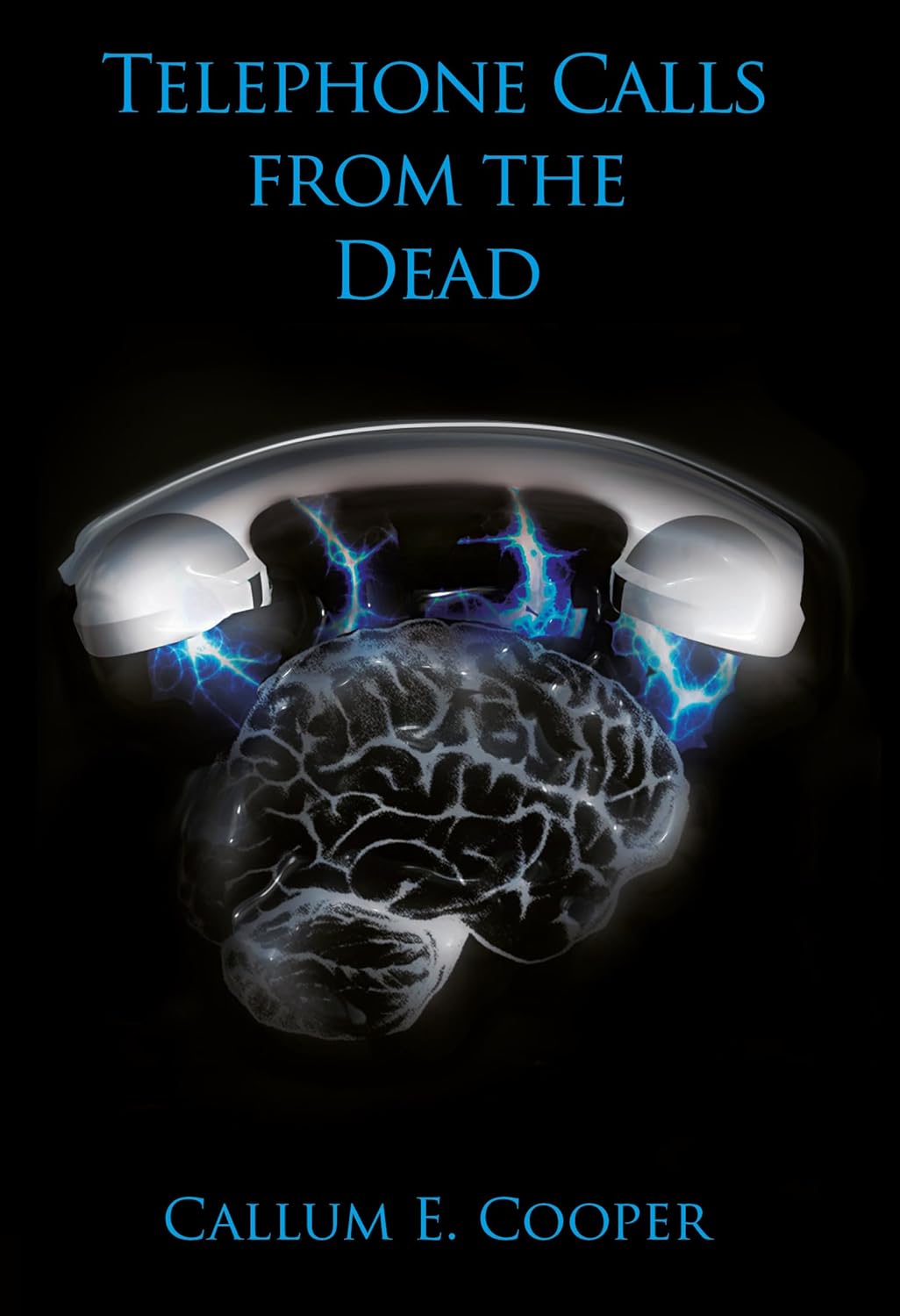
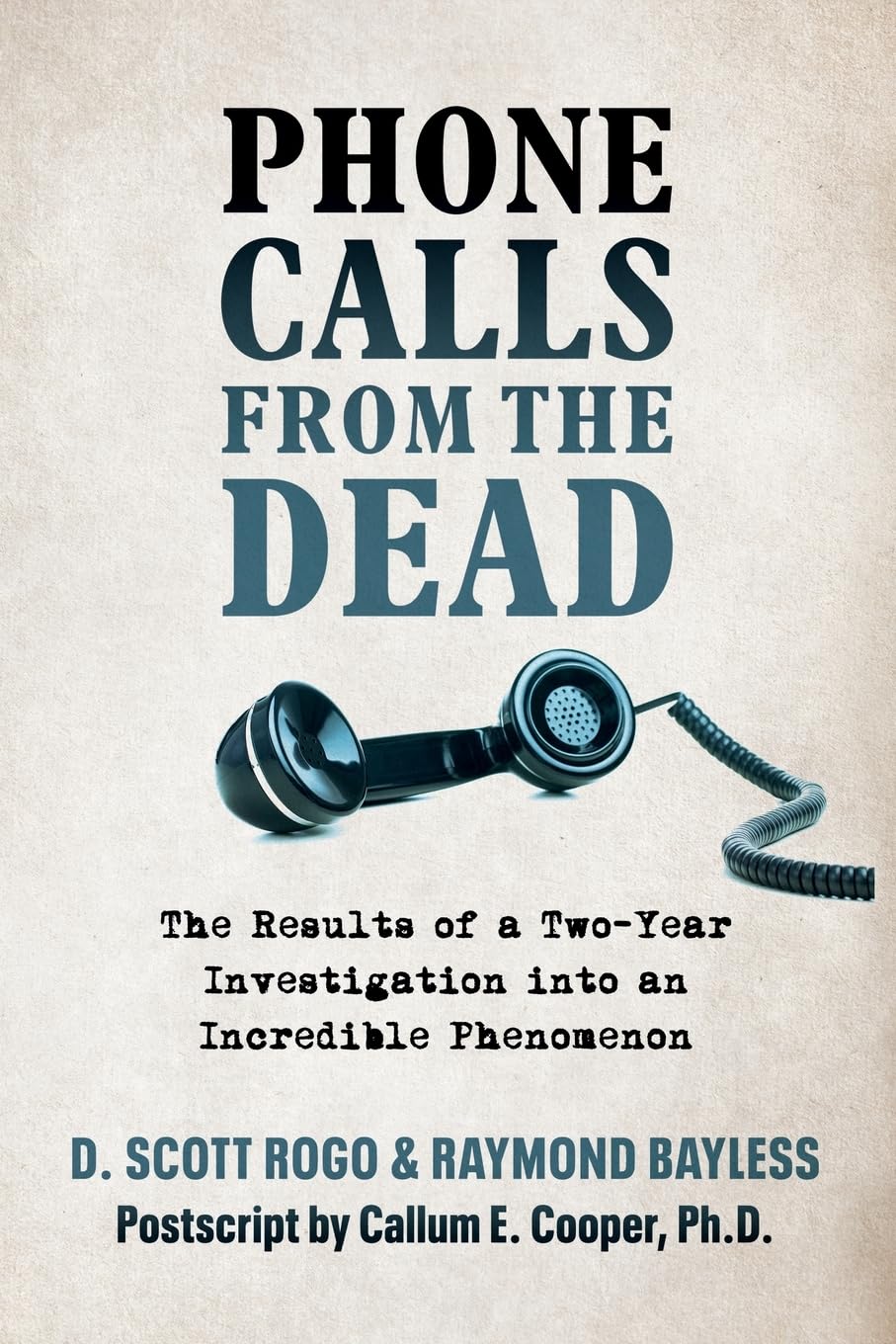
Cooper has explored accounts of ostensible telephonic communication with discarnate intelligences, in which a person typically receives a telephone call from a close friend or relative who died moments or hours before. Although this phenomenon is rarely experienced, the few cases on record have been exhaustively investigated. In his book Telephone Calls From The Dead,5Cooper (2012/2024). Cooper describes earlier research by Rogo. Cooper’s book has been praised as a thorough sceptical examination of such claims.6Boccuzzi (2013); Colborn (2013); Price (2015). Cooper has also edited a new edition of Rogo’s and Raymond Bayless’s earlier work, Phone Calls from the Dead, for which he provided an extensive postscript drawing on decades of subsequent case material and cases from his media involvement.7Rogo & Bayless (2025). Cooper appeared as a guest sceptic in an episode, ‘Dad’s Phone’, of the BBC’s Uncanny podcast with Danny Robins (Uncanny USA, Season 4, Episode 2).
Paracoustics
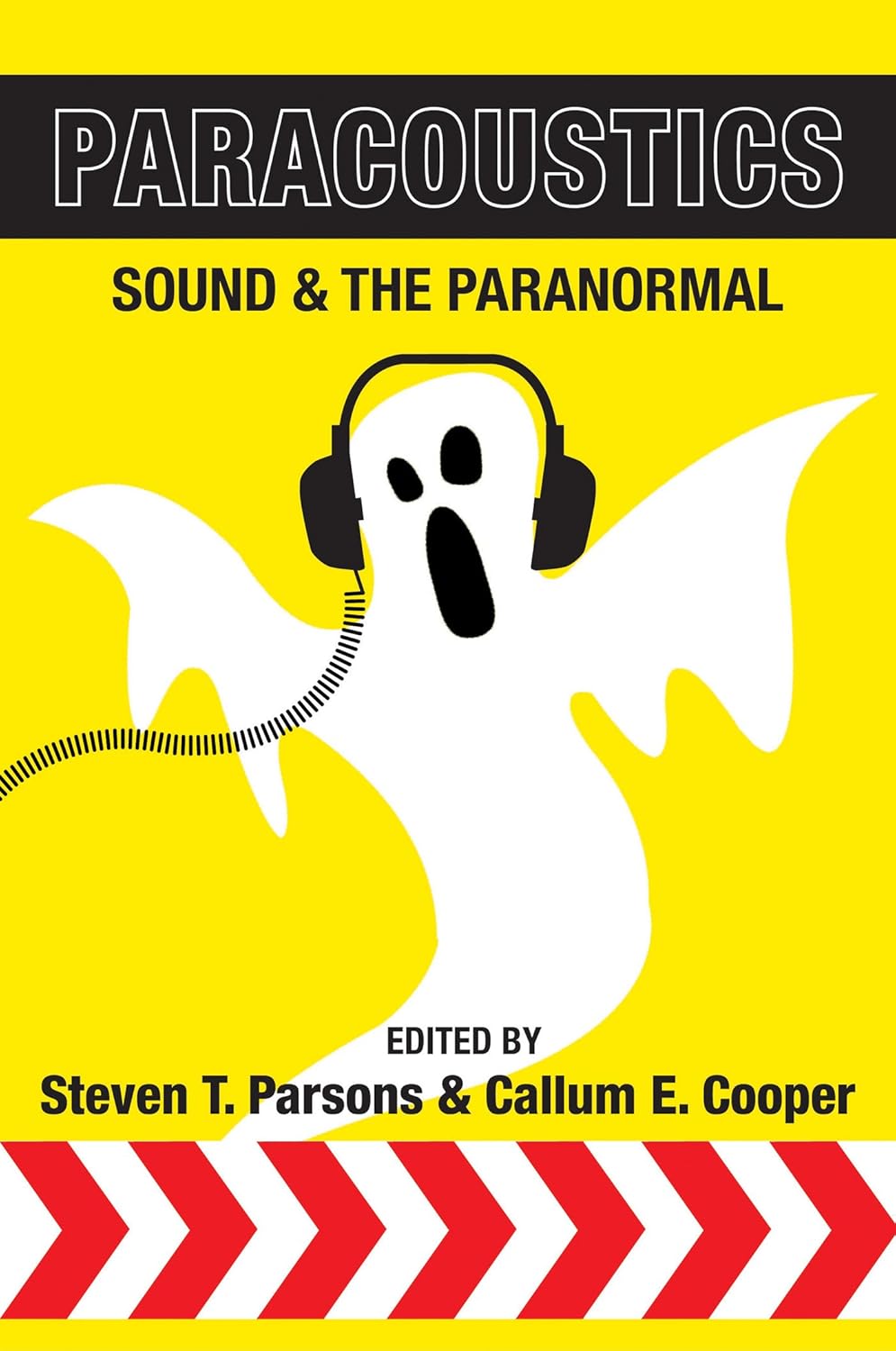
Paracoustics is concerned with sounds associated with ‘paranormal’ events, covering incidents as diverse as table rapping in seances, haunting phenomena, and modern electronic voice phenomena. Together with Steven Parsons, Cooper details these investigations in a book, Paracoustics: Sound and the Paranormal.8Parsons & Cooper (2015).
Staring Detection
Cooper has supervised research into the sense of being stared at (scopaesthesia). Two undergraduate students, Chambers and Unick-Wagg, conducted a field study at the University of Northampton’s Waterside Campus. One person stared at a randomly selected individual from an elevated position while another approached the individual to enquire if they felt they were being stared at. The combined result was not significant. However, the combined hit rate of 55% is consistent with effect sizes documented in previous research.9Chambers et al. (2023).
In a comprehensive 2021 review of the evidence for scopaesthesia, Cooper identifies important tasks for researchers: to make the act of staring matter to participants; to employ independent judges; and to measure physiological reactions. Arguing that scopaesthesia may have an evolutionary purpose, he also highlights the importance of observing this phenomenon in natural settings.10Cooper (2021).
Thanatology
Cooper’s main work is thanatology – the scientific study of death, especially its psychological and social aspects. He argues that anomalous experiences help the bereavement process. Cooper has investigated bereavement and positive psychology collaborating with Chris Roe and Graham Mitchell on work indicating that bereaved individuals who had had anomalous experiences enjoyed higher levels of hope than those who had not.11Cooper, Roe, & Mitchell (2015).
Further research has shown that those who reported such experiences reported a shift in how they conceptualise dying.12Cooper (2017). Cooper has also investigated the impact of such experiences on self-professed sceptics.13Bara & Cooper (2017). Currently, Cooper is involved with a team of researchers – supported by the Scientific and Medical Network – analysing after-death communication (ADC) data to map the phenomenology and impact of these experiences from a variety of cultures.14Elsaesser (n.d.) This project, involving over a thousand respondents, should be completed by 2030, following output of a potential dozen papers assessing various aspects of the data.15Elsaesser et al. (2019). Cooper has also co-authored a paper about accounts of frightening post-death contacts and their paradoxical effects on mourning.16Evrard et al. (2021).
Diet and Psi
Psychic powers are said in spiritual traditions to be facilitated by fasting and vegetarian practices. Cooper supervised Michael Daw, who carried out interviews with seven adepts. They stated that as well as having a positive impact on their cognitive faculties and overall health, these practises did indeed contribute to the enhancement of their psi abilities.17Daw et al. (2022). Daw and colleagues also carried out a ganzfeld/remote viewing experiment, comparing vegetarians with meat eaters, to investigate the influence of diet on ESP scoring. The results were non-significant, although vegans demonstrated a notable 47% hit rate.18Daw et al. (2023).
Later surveys were conducted by Daw to examine whether individuals who fast or reduce animal product consumption tend to report more paranormal and spiritual experiences. Both surveys showed associations between dietary practice and anomalous experiences.19Daw et al. (2025).
Parapsychology and Cyberpsychology
In 2024, Cooper and Claire Murphy-Morgan examined the relationship between parapsychology and cyberpsychology. They argue that the internet has served as a vehicle for parapsychological research through surveys and online experiments, but has also brought pitfalls including polarisation, censorship and the continuing pseudoscience demarcation problem. Cyberpsychology offers theoretical frameworks – including the concept of networked publics – for examining how parapsychology is received in online spaces.20Murphy-Morgan & Cooper (2024). Much of this work forms the basis of Murphy-Morgan’s PhD at Northumbria University Newcastle.
Asserting the Positive
Cooper has contributed to an overview of anomalous experiences in which the authors point out that many of the anomalous experiences reported by some 70% of the population, including sense-of-presence and out-of-body experiences, are perceived as having positive after-effects. The authors hence recommend promoting acceptance of anomalous experiences within the psychiatric and psychological communities.21Steffen et al. (2018).
Biographical and Archival Research
Cooper has been associated with the Alex Tanous Foundation for Scientific Research since 2011 and he is an honorary archival research assistant, carrying out a variety of archival activities including the editing of previously unpublished material.22Tanous & Cooper (2013), Tanous,Schwinge, & Bambrick (2019). Alex Tanous was a psychic who was tested at the American Society for Psychical Research in the 1970s and 1980s. Tanous produced evidence for out-of-body experiences in several controlled tests, in which he described a distant target as well as affecting nearby sensitive detectors. Statistical criticisms made by Susan Blackmore23Blackmore (1981, 1983). were answered by the main researchers, who confirmed that Tanous achieved a range of statistically significant hit rates in his experiments.24Osis & McCormick (1981).
Cooper is working on a biography of D Scott Rogo and contributed to efforts to solve Rogo’s murder which was finally closed in 2022, following Cooper’s re-examination of the autopsy report and work alongside a Los Angeles police cold case team. Cooper has been involved in the republication of Rogo’s books by White Crow Books and contributed a foreword to Rogo’s Parapsychology: A Century of Inquiry.25Cooper (2022). He has also edited a new version of Rogo’s and Raymond Bayless’s Phone Calls from the Dead.26Rogo & Bayless (2025).
Promoting Scepticism and Critical Thinking
Cooper has appeared on radio shows and delivered public talks emphasising his personal scepticism towards claims of paranormal phenomena. His first public television appearance as a voice for critical thinking in science was on This Morning on 15 March 2013. Cooper often lectures about parapsychology and the importance of critical thinking in science. He has also promoted parapsychology and critical thinking in podcasts and BBC Radio shows. For example, he appeared on the Trapademic podcast to discuss the dangers of pseudo-scepticism and misguided communication in science. He has also spoken about false qualifications in science and clinical practice on the internet. In 2019, one of Cooper’s students researched the impact and process of dogmatic scepticism.27Wright & Cooper (2019). Cooper is a regular speaker and attendee at the UK ‘Skeptics in the Pub’ events.
Awards and Honours
Cooper has received the Parapsychology Foundation’s Eileen J. Garrett Scholarship, the Parapsychological Association’s Gertrude Schmeidler Award, and the Alex Tanous Foundation’s Scholarship Award. He was also a nominee for the Ockham’s Razor Award for Skeptical Activism in 2018. In 2020 at the University of Northampton’s PURE Diamond Research Awards, Cooper was awarded the ‘Public/Industry Engagement Award’ for his contributions to media, outreach and science communication. In 2023 he received the Diamond Award for Excellence in Doctoral Supervision. Cooper was also nominated in 2024, 2025, and 2026 for the People Awards in the following categories: Individual of the Year, Excellence in Doctoral Supervision, and Media Outreach – for his continued work in media, public understanding of science and sceptical activism.
Selected Works
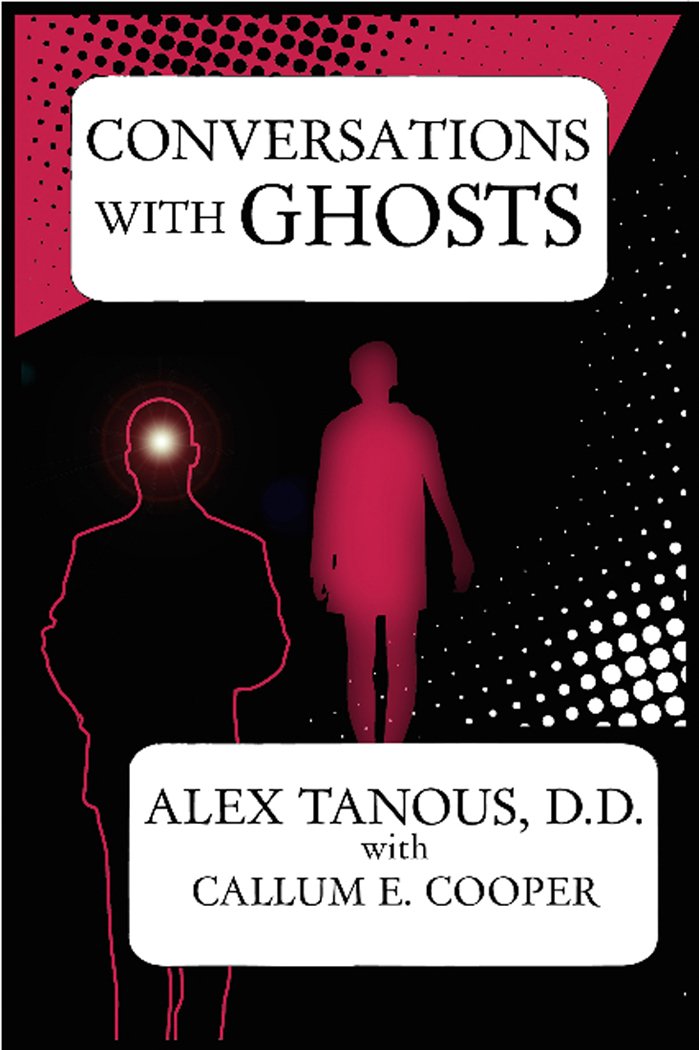
Conversations with Ghosts (2013, with A. Tanous). [Summary.] Hove, UK: White Crow Books.
Paracoustics: Sound and the Paranormal [Summary.] (2015, ed. with S.T. Parsons). Hove, UK: White Crow Books.
Affirming the positive in anomalous experiences: A challenge to dominant accounts of reality, life, and death (2018, with E.M. Steffen & D.J. Wilde). [Download PDF.] In The Routledge International Handbook of Critical Positive Psychology, 227-44.
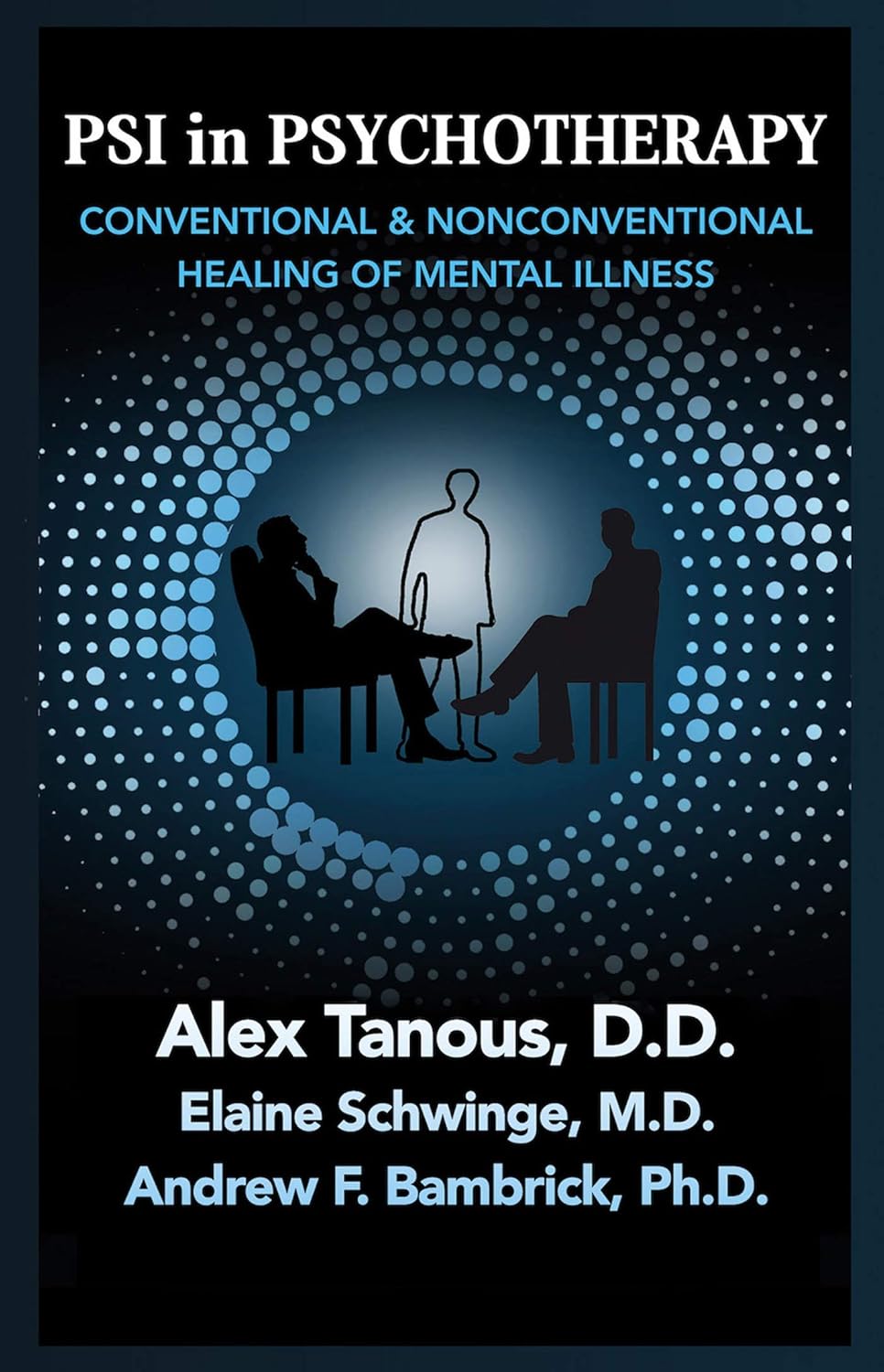
Psi in Psychotherapy: Conventional and Non-Conventional Healing of Mental Illness [Summary] (2019, with A. Tanous, E. Schwinge, A. Bambrick). Hove, UK: White Crow Books.
How fasting and vegetarianism is perceived to support psi among adepts [Abstract.] (2023, with M. Daw & C. Roe). Journal of Transpersonal Psychology 55/1, 111-33.
Parapsychology and cyberpsychology [Abstract.] (2024, with C. Murphy-Morgan). Australian Journal of Parapsychology 24/1, 17-37.
Telephone Calls from the Dead (rev. ed.) (2024). Portsmouth, UK: Tricorn Books. Original work published 2012.
Two surveys to explore associations between spontaneous anomalous experiences and fasting and vegetarianism. [Full text.] (2025, with M. Daw & C. Roe). Journal of Parapsychology 87/2, 128-50.
For a full list of Cooper’s publications see his University of Northampton PURE profile.
Michael Duggan
Works Cited
Bara, M.M., & Cooper, C.E. (2017). An interpretative phenomenological analysis of after-death communication in the bereavement process of professed sceptics. Poster presented at the 60th Parapsychological Association Convention, 21–23 July, Athens.
Blackmore, S. (1981). Letter to the editor. Journal of the American Society for Psychical Research 75, 365-66.
Blackmore, S. (1983). Beyond the Body: An Investigation of Out-of-the-Body Experiences. Granada Publishing.
Boccuzzi, M. (2013). Review of Telephone Calls from the Dead by C.E. Cooper. Journal of Parapsychology 77/2, 295-97.
Chambers, E., Unick-Wagg, B., Cooper, C.E., & Colborn, M. (2023). Two field studies of ‘the sense of being stared at’. Proceedings of the 46th International Annual Conference of the Society for Psychical Research, Woodland Grange, UK.
Colborn, M. (2013). Review of Telephone Calls from the Dead by C.E. Cooper. Journal of the Society for Psychical Research 77/2, 102-3.
Cooper, C.E. (2010). Spontaneous cases concerning telephone calls and text messages. Australian Journal of Parapsychology 10, 178-93.
Cooper, C.E. (2013a). Post-death experiences and the emotion of hope. [Download PDF.] Journal for Spiritual and Consciousness Studies 36/1, 24-28.
Cooper, C.E. (2013b). Out of the body and into the lab: Defining Dr Alex Tanous’ abilities. [Download PDF.] Paranthropology: Journal of Anthropological Approaches to the Paranormal 4/1, 76-79.
Cooper, C.E. (2017). Spontaneous Post-Death Experiences and the Cognition of Hope: An Examination of Bereavement and Recovery. [Download PDF.] Unpublished doctoral thesis, University of Northampton, UK.
Cooper, C.E. (2018a). Back to the ‘Lilly’ Pond: revisiting flotation tanks and their use in ESP research. [Download PDF.] Paranormal Review 85, 8-11.
Cooper, C.E. (2021). Ecological approaches to scopaesthesia.[Download PDF.] Australian Journal of Parapsychology 21/2, 164-82.
Cooper, C.E. (2022). A Reflection. In D.S. Rogo (ed.), Parapsychology: A Century of Inquiry (pp. i-ii). Hove: White Crow Books.
Cooper, C.E. (2024). Telephone Calls from the Dead [Web Page.] (rev. ed.). Portsmouth, UK: Tricorn Books. Original work published 2012.
Cooper, C.E., Roe, C.A., & Mitchell, G. (2015). Anomalous experiences and the bereavement process. [Download PDF.] In Death, Dying and Mysticism: The Ecstasy of the End, ed. by T. Cattoi & C. Moreman. New York, USA: Palgrave Macmillan.
Cooper, C., Saunders, D., & Hitchman, G. (2019). Reconsidering sensory isolation in floatation tanks as a method of promoting psi-conducive imagery. [Download PDF.] Journal of the Society for Psychical Research 84/1, 1-19.
Daw, M.J. (2022). An evaluation of the effect of the habitual abstinence from consumption of meat and dairy in a quasi-experimental ganzfeld precognitive task. [Download PDF.] Koestler Parapsychology Unit. Web page.
Daw, M.J., Roe, C., & Cooper, C.E. (2023a). How fasting and vegetarianism is perceived to support psi among adepts. [Download PDF.] Journal of Transpersonal Psychology 55/1, 111-33.
Daw, M.J., Roe, C., & Cooper, C.E. (2023b). Proceedings of the 65th Annual Convention of the Parapsychological Association. Fanehallen, Oslo, Norway.
Daw, M.J., Roe, C.A., & Cooper, C.E. (2025). Two surveys to explore associations between spontaneous anomalous experiences and fasting and vegetarianism. [Download PDF.] Journal of Parapsychology 87/2, 128-50.
Elsaesser, E. (n.d.). Our research project on after-death communications (ADCs). [Full text.] Web page.
Elsaesser, E., Cooper, C.E., Roe, C.A., Parra, A., & Lorimer, D. (2019). The phenomenology and impact of perceived spontaneous after-death communications: A review and new approach. Paper presented at the 62nd Parapsychological Association Convention, 4-6 July, FIAP Jean Monnet, Paris, France.
Evrard, R., Dollander, M., Elsaesser, E., Cooper, C., Lorimer, D., & Roe, C. (2021). Exceptional necrophanic experiences and paradoxical mourning. [Full text.] L’Evolution Psychiatrique 86/4, 799-824.
Murphy-Morgan, C., & Cooper, C.E. (2024). Parapsychology and cyberpsychology. [Download PDF.] Australian Journal of Parapsychology 24/1, 17-37.
Osis, K., & McCormick, D. (1981). Letter to the editor. Journal of the American Society for Psychical Research 75/4, 367-68.
Parsons, S.T., & Cooper, C.E. (eds.) (2015). Paracoustics: Sound and the Paranormal. Hove, UK: White Crow Books.
Price, E.W. (2015). Review of Telephone Calls from the Dead by Callum E. Cooper. Journal of Near-Death Studies 34, 57-61.
Roe, C., Cooper, C.E., Hickinbotham, L., Hodrien, A., Kirkwood, L., & Martin, H. (2020). Precognitive remote viewing task, with and without ganzfeld stimulation: Three experiments. Journal of Parapsychology 84/1, 38-65.
Roe, C., Cooper, C.E., & Martin, H. (2010). A comparison of ESP performance under remote viewing and ganzfeld conditions. Presented at the 53rd Annual Parapsychological Association Convention, Paris, France.
Rogo, D.S. (1980). The use of the sensory deprivation tank to facilitate psi-mediated imagery: An exploratory study. Research Letter (Parapsychology Laboratory, University of Utrecht) 10, 43-47.
Rogo, D.S., & Bayless, R. (2025). Phone Calls from the Dead. Hove, UK: White Crow Books. Original work published 1978.
Steffen, E.M., Wilde, D.J., & Cooper, C.E. (2018). Affirming the positive in anomalous experiences: A challenge to dominant accounts of reality, life, and death. In The Routledge International Handbook of Critical Positive Psychology, ed. by N.J.L. Brown, T. Lomas, & F.J. Eiroa-Orosa, 227-44. New York, USA: Routledge.
Tanous, A., & Cooper, C.E. (2013). Conversations with Ghosts. Hove, UK: White Crow Books.
Tanous, A., Schwinge, E., & Bambrick, A.F. (2019). Psi in Psychotherapy: Conventional and Non-Conventional Healing of Mental Illness. Hove, UK: White Crow Books.
Wright, A., & Cooper, C.E. (2019). The psychology of dogmatic scepticism towards parapsychology. [Download PDF.] Paper presented to the 43rd International Society for Psychical Research Annual Conference, Leicester, UK.