
Experimental Methods, Effects and Theory
Experimental research has played a central role in parapsychology, testing claims of ESP and PK under controlled conditions. This subcategory covers the methods used in such work, the effects reported, and theoretical attempts to explain how apparently anomalous information transfer or mind-matter interaction might occur.
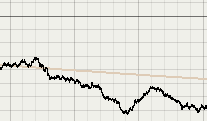
Decline Effect in Psi Research
Review of the 'decline effect’ in psi testing, a falling off in participants' performance over time.
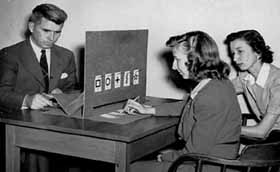
Experimental Parapsychology
Overview of efforts to apply experimental methods to the study of psi experiences, from the 1870s to today.

Experimenter Effects in Psi Research
Parapsychologists have come to believe that experimenters play a major role in influencing the outcome of psi tests.

Meta-Analysis in Parapsychology
Meta-analysis is a statistical procedure that combines studies in a particular area of research to provide more robust findings
Observational Theories of Psi
Review of research on the idea that psi works by cognizing and manipulating the invisible underworld of quantum probabilities.
Precognition Without Retrocausation
Precognitive dreams may be interpreted in terms of retrocausation, but is this the best way?
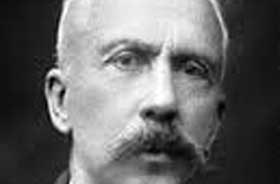
Richet’s ‘La Suggestion Mentale’
In a 1884 paper, physiologist Charles Richet pioneered the use of statistics in telepathy tests.

Sense of Being Stared At – Experimental Evidence
Recent investigations suggest that the phenomenon is real.
Sheep-Goat Effect
In experimental tests, participants who believe in psi (sheep) score positively while those who do not believe (goats) score at chance.

Transparent Psi Project
This article describes a failed effort to replicate a famous precognitive effect reported by Daryl Bem in 2011.

Unusual Ways of Testing for Psi
Psi abilities have been tested in more ways than the usual ones of card guessing, dice throwing, remote viewing and Ganzfeld.