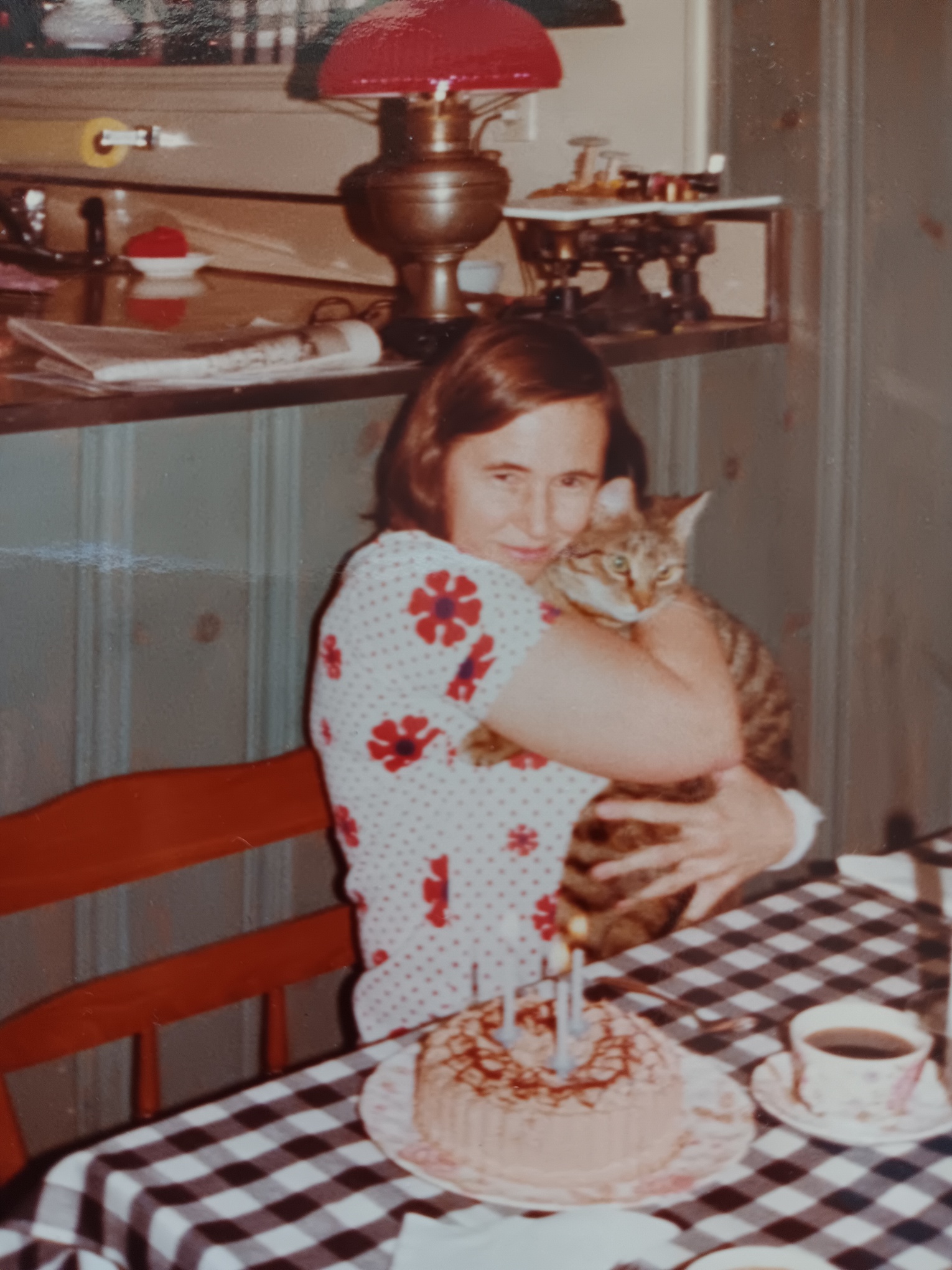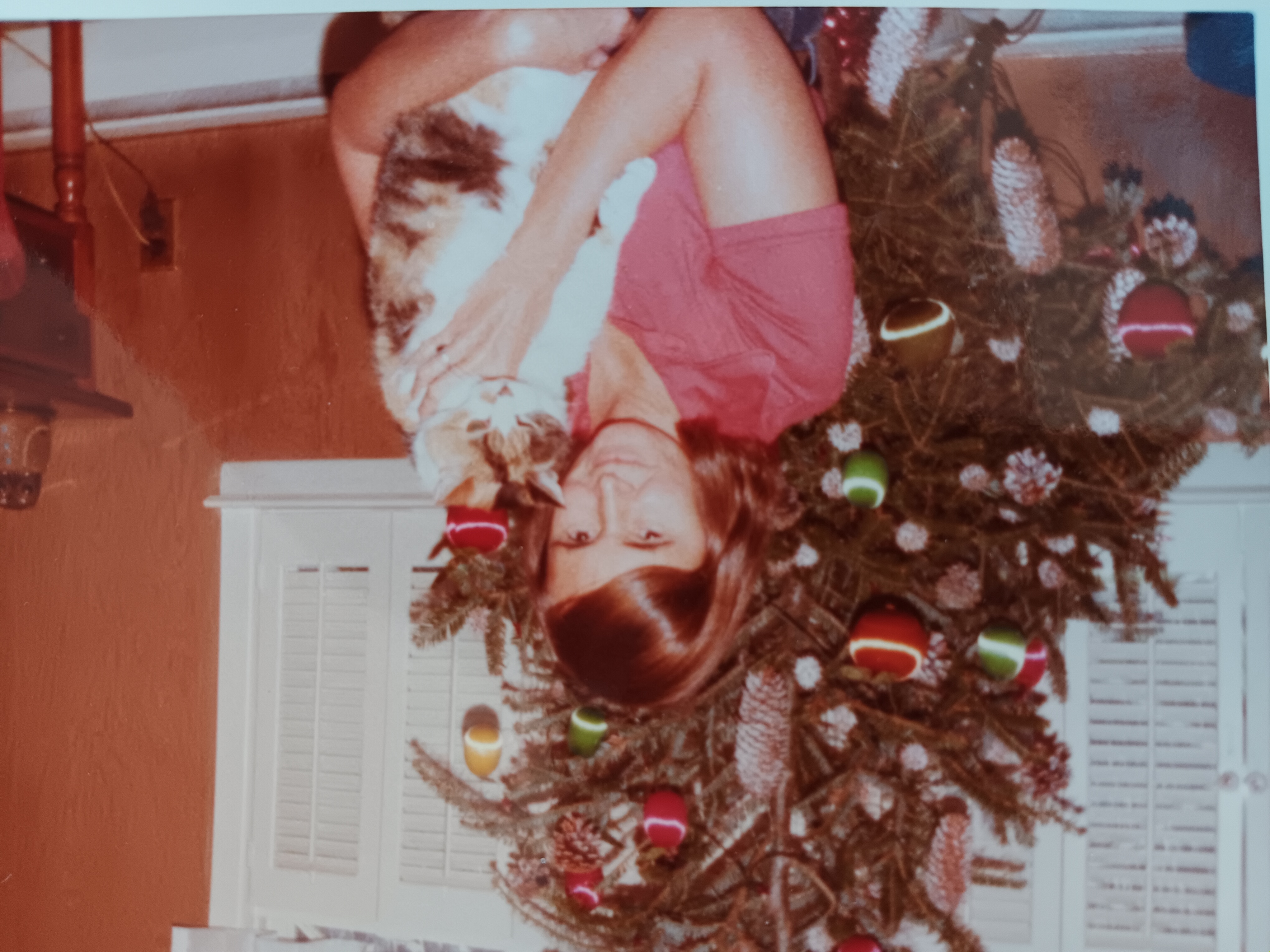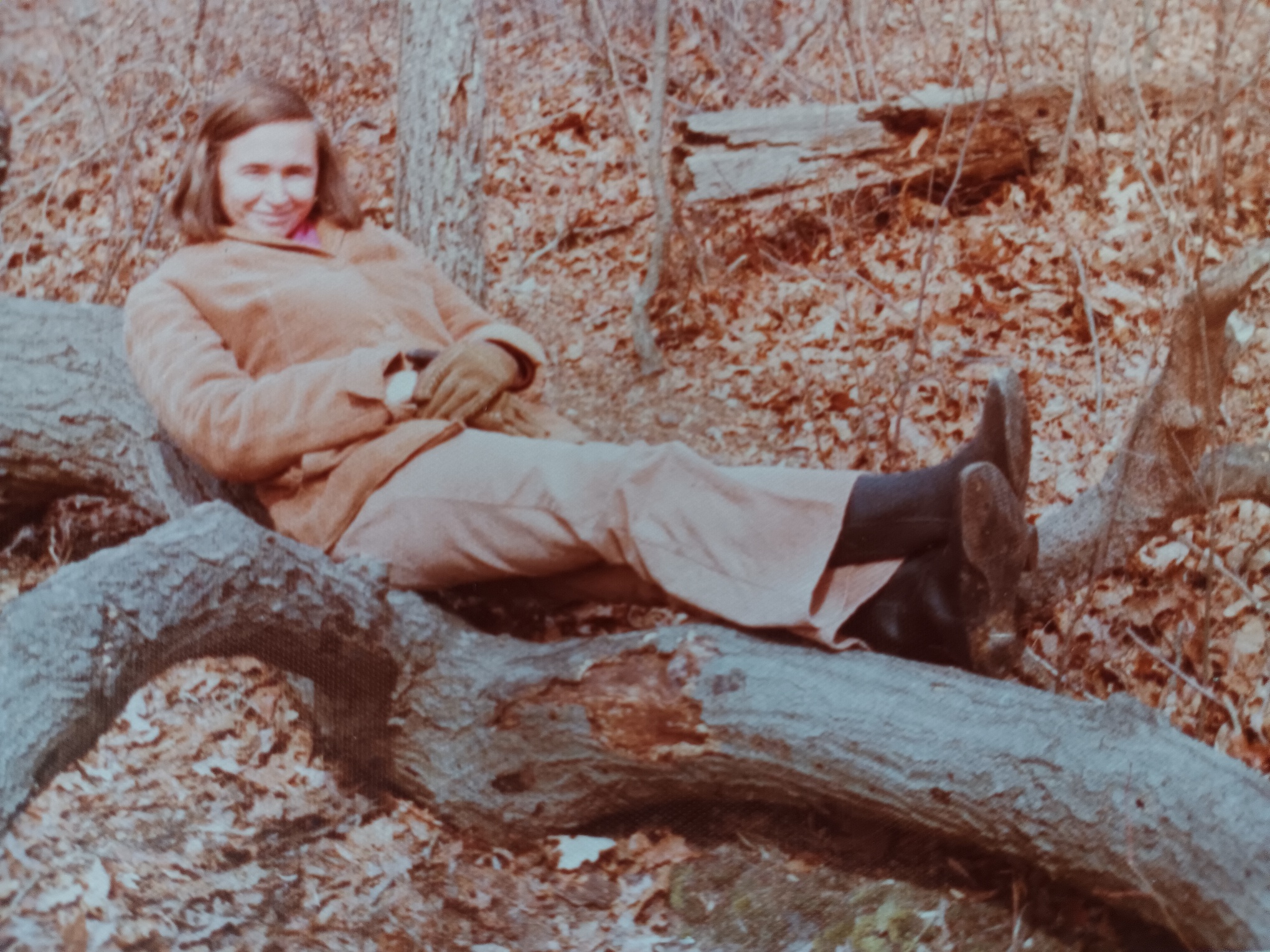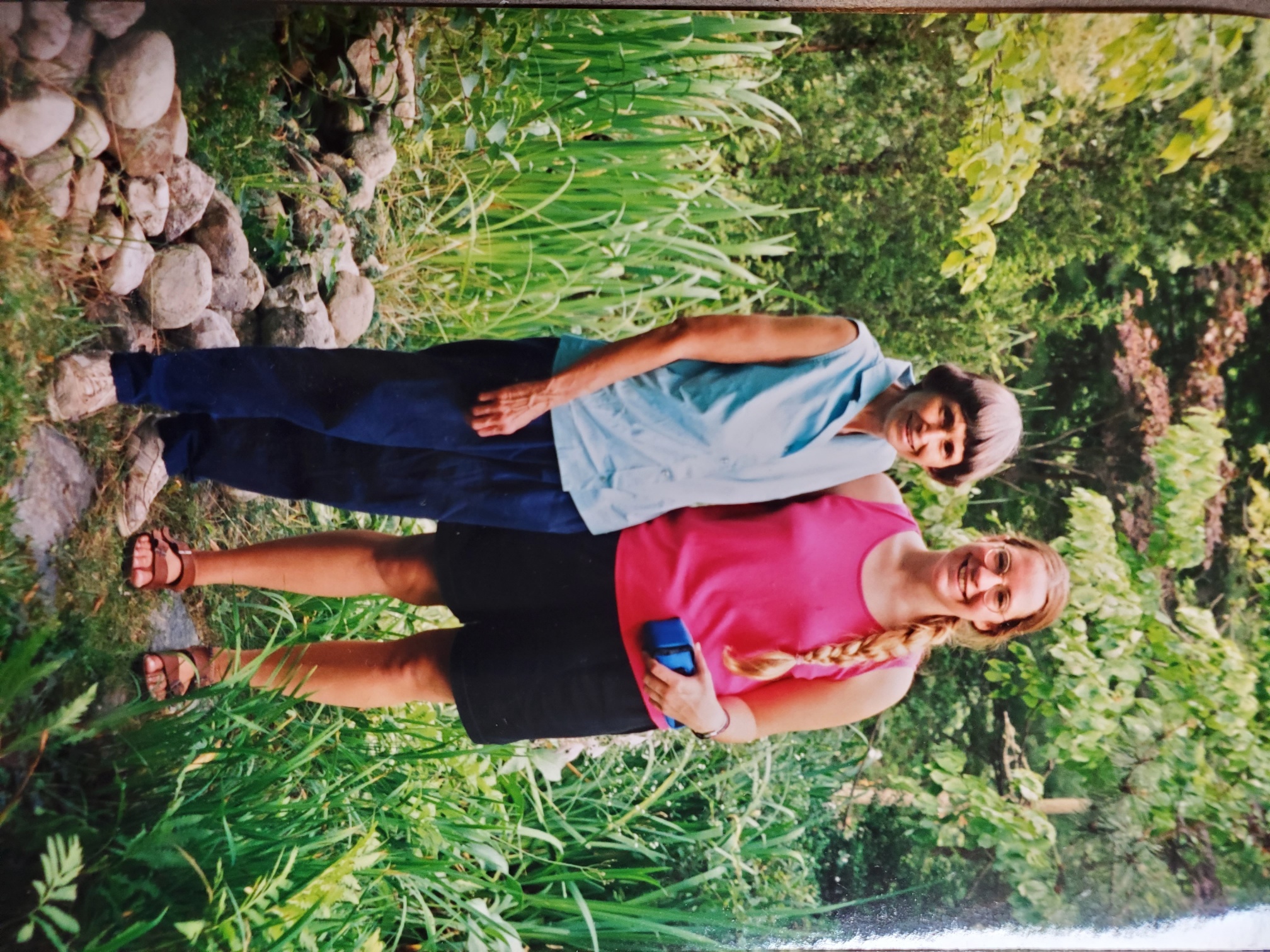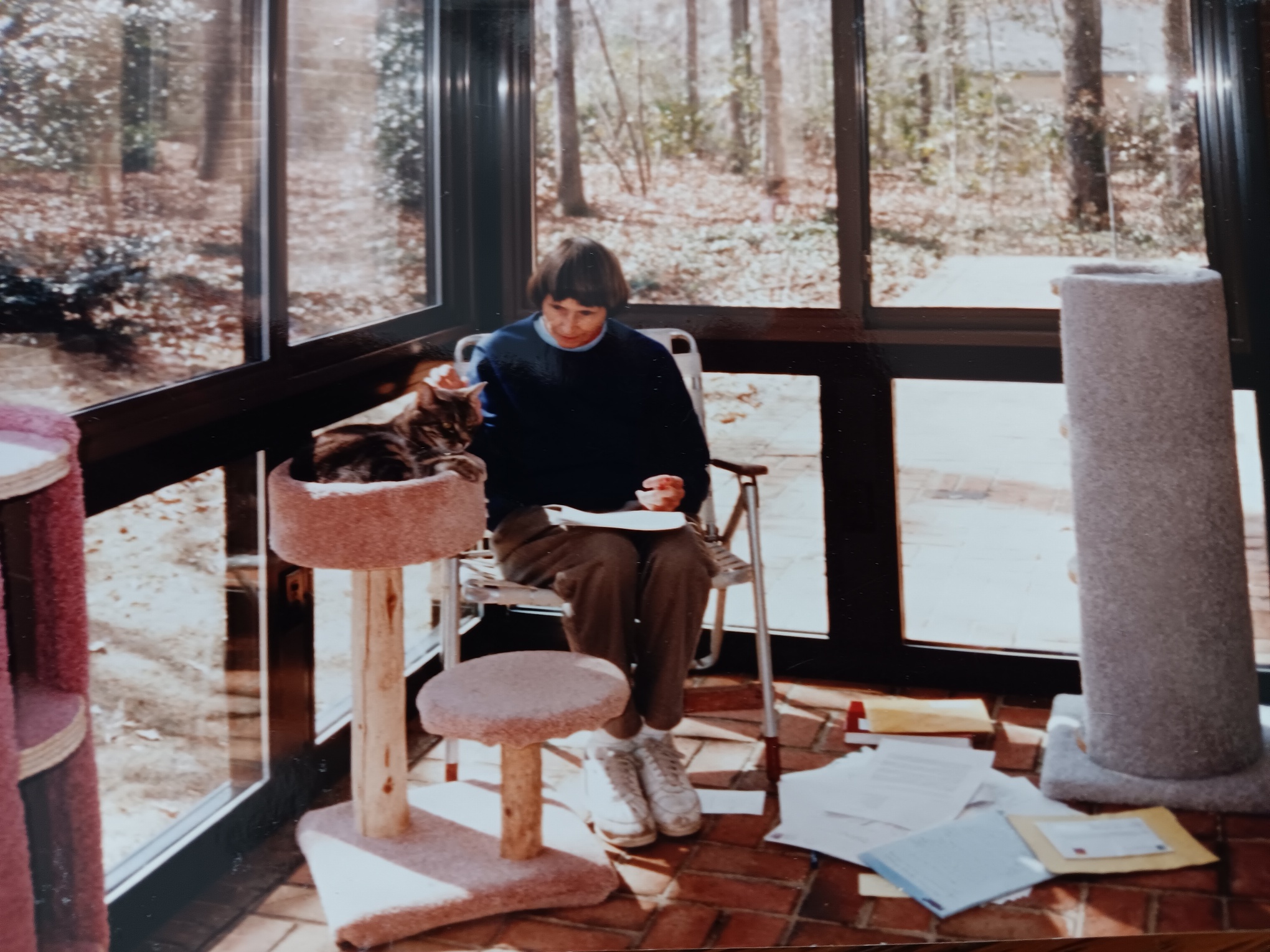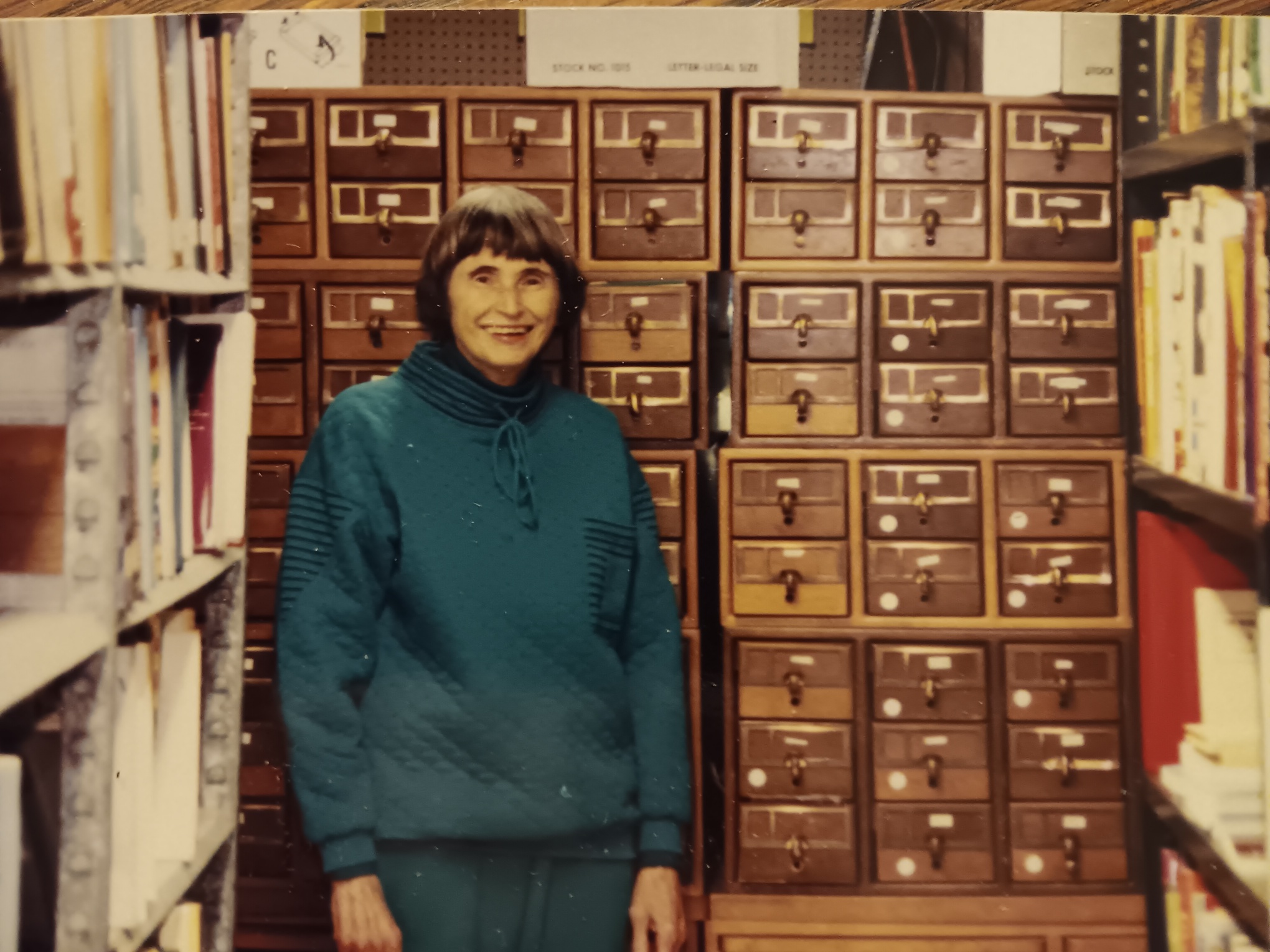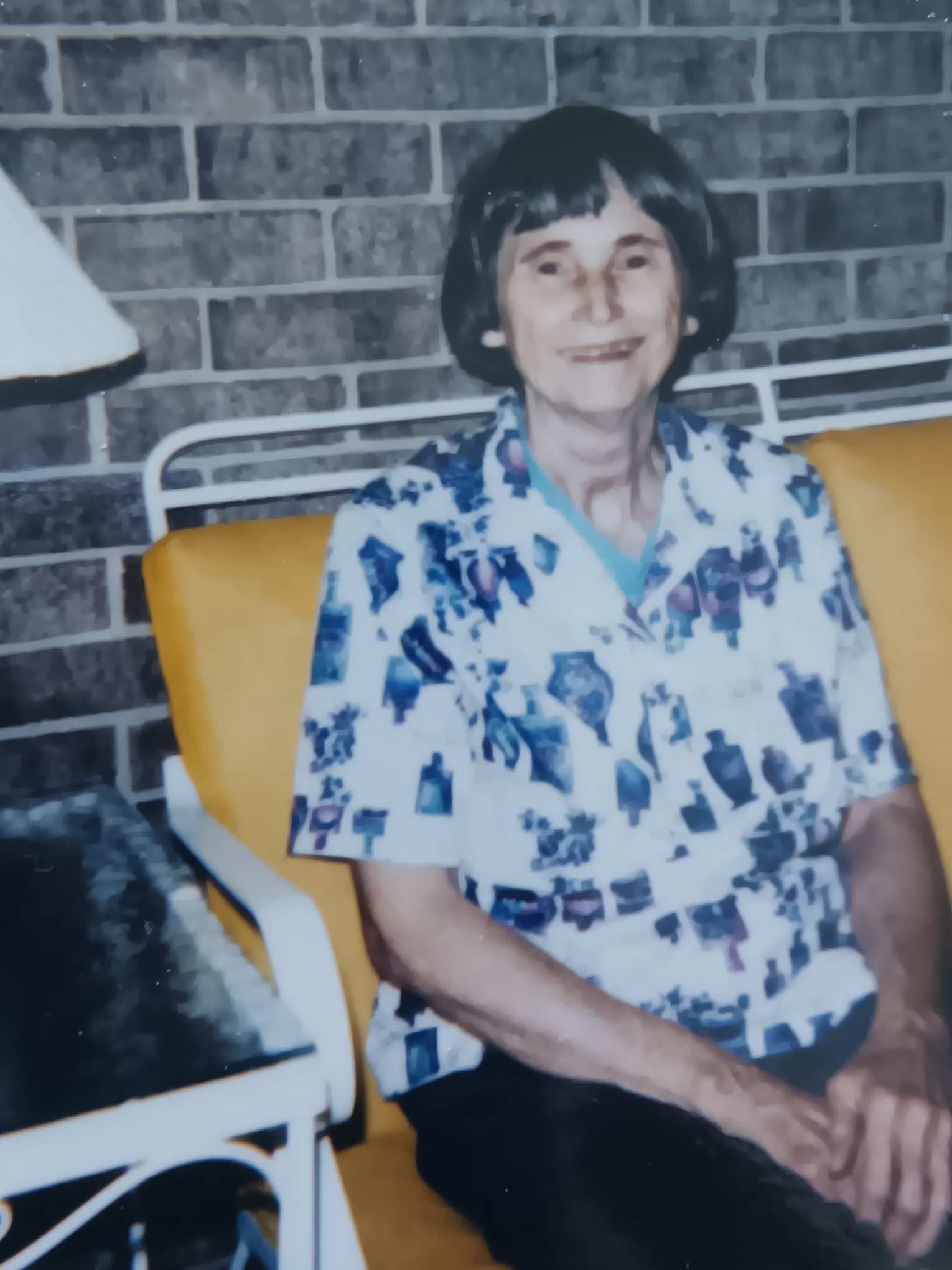
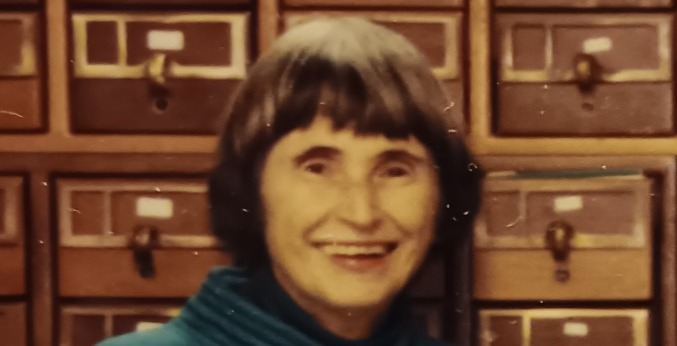
Rhea A White (1931–2007) was an American parapsychologist, librarian and bibliographer whose work ranged from ESP experiments at Duke University to the development of the Exceptional Human Experience framework. She also founded bibliographic services and publications that helped organise and preserve parapsychological research for future study.
- White worked with JB Rhine at Duke University’s Parapsychology Laboratory and helped conduct the Anderson-White ESP experiments with schoolchildren.
- She served as an editor, bibliographer and information specialist for major parapsychological organisations, most notably the American Society for Psychical Research.
- Her later work focused on exceptional human experiences: unusual or anomalous experiences that can profoundly affect the people who undergo them.
Life and Career
Outline
Rhea Amelia White was born on 6 May 1931 in Utica, New York, and grew up there. She was a librarian and parapsychological researcher, a charter member and president of the professional Parapsychological Association (PA), and a long-time editor of the Journal of the American Society for Psychical Research (JASPR). A prolific bibliographer, she founded Parapsychology Abstracts International, a publication she later transitioned to Exceptional Human Experience.
White attended Utica College and Syracuse University from 1949 to 1951 and obtained her BA from Pennsylvania State University in 1953. She chose Penn State because it had a golf course and she aspired to be a professional golfer. Unfortunately, during her junior year, she was involved in an automobile accident that resulted in a near-death experience which derailed this plan and altered the trajectory of her life. She reported,
I devoted my life to trying to understand “where” I was when I found myself seemingly above the earth bathed in a sense of unity and singing peace and incredible aliveness, enveloped in felt meaning while my body lay unconscious on the hood [bonnet] of my car. I thought I had died — and it was wonderful. I was “told” that “nothing that ever lived could possibly die.” I felt the “everlasting arms” behind me to the ends of the universe. Then I awakened out on the hood of my car, unable to move, and in great pain.1Quoted in Alvarado (2007). For more on White’s NDE and its effects on her, see Brown (2017, 119-30).
White obtained a Masters in Library Science from the Pratt Institute in Brooklyn, New York, in 1965 and went to work as reference librarian at the East Meadow Public Library on Long Island, where she remained for thirty years.2Alvarado (2007).
After her retirement in 1995, White relocated to New Bern, North Carolina, where, for the last twelve years of her life, she was involved with Suzanne V Brown in the creation of the Exceptional Human Experiences Network. She enrolled in a doctoral program in sociology at the State University of New York at Stony Brook but left the program before completing the degree when she realized that her real calling was to work with exceptional human experiences. She died at home in New Bern after a long illness, on 24 February 2007.3Zingrone (2007).
Experimental Research
In attempting to process and understand her NDE, White became increasingly fascinated with parapsychological topics. She found her way to Duke University in Durham, North Carolina, where, from 1954 to 1958, she worked as a research fellow at the Parapsychology Laboratory under the directorship of JB Rhine. Of her experimental work, she is perhaps best known for her role in the ‘Anderson-White’ ESP-in-schoolchildren tests, which she conducted with her fellow researcher and close friend Margaret L Anderson.
Another researcher and close friend to White, Nancy Zingrone, points out that White worked at a very exciting time in the laboratory, one filled with other young researchers. Zingrone writes,
On summer evenings after JB Rhine and the older staff members had gone home, White once told me, the younger researchers would kick off their shoes, put a rock and roll record on…and sit with their feet up double checking ESP data in the large upper story windows where the late afternoon breeze caught the scent of the magnolia trees… 4Zingrone (2007), 168.
Influential Review Articles
In the 1960s and 1970s, White published several innovative review articles. In one of the most influential, she advocated that researchers pay more attention to the internal states and response strategies of the participants, as was emphasized in research before the advent of Rhine’s forced-choice experiments with cards, designed to be assessed through statistical analysis.5White (1964). She noted that this attention to the internal processes of the participants should be equally effective with forced-choice tests with cards and with free-response designs that have pictures and other similar targets unknown to the participants. This 1964 article was foundational for the development of ganzfeld and other research on internal states that became a major area of investigation in the 1970s and later.
White was a thought leader also in confronting the dilemma that psi researchers may use their own psi abilities to influence the outcomes of their experiments. In 1976 and 1977 she published three comprehensive reviews about different aspects of potential experimenter effects6White (1976a, 1976b, 1977). The recognition that psi may sometimes operate without conscious intention and is thought to be a result of human motivation would seem to make psi influences by an experimenter almost inevitable. ‘It is concluded that in psi research it may not be possible to differentiate between the experimenter and his experiment, and, therefore, between psi-mediated experimenter and psi-mediated experimental effects’ .7White (1976b), 333.
Editorial and Bibliographic Work
After her stint at Duke, White returned to New York. She was a Research Assistant at the Foundation for Integral Research in 1959 and Research and Editorial Associate at the American Society for Psychical Research (ASPR) under Laura Dale from 1959 to 1962.8Pleasants (1964), 355. At the ASPR, she came to know Gardner Murphy and in 1963, she was a Research Fellow at the Menninger Foundation. From 1965 to 1980, she served as the ASPR’s Director of Information, working remotely from Long Island. She assumed the editorship of JASPR in January 1984 and retained it to the end of its run, assisted in the final years by Suzanne Brown.9Brown began to help White in 2002, when the journal had fallen some years behind and it began being issued biannually. In the later numbers, Brown is listed as Editor and White continued as Editor-in-Chief. This arrangement continued until White’s death in early 2007, at which point the sequencing of the journal was halfway through issue January/April 2004. Brown continued to move that issue forward to press and complete that last issue of JASPR for July/October 2004. Due to financial reasons, this was the final issue of JASPR.
White co-edited Theta with WG Roll for the Psychical Research Foundation from 1982 to 1986 and was a co-editor of several of the PA’s Research in Parapsychology conference volumes during the same period. She contributed surveys of selected books on parapsychology to several editions of Advances in Parapsychological Research (1977–90), edited by Stanley Krippner, who called her ‘parapsychology’s bibliographer’.10Krippner (1992). Krippner observed, ‘It is no exaggeration to say that parapsychological science has become more articulate, more literate, and more widely disseminated as a result of Rhea White’s imagination, diligence, and devotion’.
Combining her vast experience in the field of parapsychology with her librarianship skills of curating and organising information, White published and/or edited many bibliographic publications. Parapsychology: Sources of Information (1973) and Surveys in Parapsychology: Review of the Literature, with Updated Bibliographies (1977), both edited with Laura Dale, are two notable examples. In 1992, White updated her 1973 bibliography with Parapsychology: New Sources of Information.
In 1981, White founded the Parapsychology Sources of Information (PSI) Center, an organization with bibliographical control over the vast and ever-growing body of parapsychological and related material. From 1983 to 1989, the PSI Center published the biannual Parapsychology Abstracts International (PAI), providing summaries of the periodical literature from English, Spanish, Dutch, Portuguese, Italian, German, French, Polish, Japanese, and Russian researchers.11Alvarado (1994).
The PSI Center’s other important publications include bibliographies on specific paranormal topics and reading lists for students, the general public, and specialists.
Exceptional Human Experiences
Rhea appreciated laboratory exploration of psi phenomena but through the years grew disenchanted with what she believed labs were missing. Specifically, she recognized that certain phenomena (including but not limited to parapsychological events) had profound subjective impacts on experiencers. She wished to focus on this impact through intense qualitative research and thus dedicated the rest of her life to defining and studying moments she termed ‘exceptional human experiences’ (EHEs).
In her 1984 Presidential Address to the PA, we get a glimpse into White’s journey from experimental research to qualitative study. She said,
In the last 50 years, at least, this external pursuit of psi has been nurtured by incorporating techniques of experimental psychology into our research…Perhaps to get on with our exploration of psi, we must create new means. At this stage I feel we must turn away from the techniques pioneered by Rhine and embraced by his followers, including myself…If we examine the record of creativity and innovation in other sciences – I think we would find that there is a stage in the growth of a discipline when something entirely new must be embraced, whether it be a technique, a theory, or contradictory data. I suggest that we have reached such a stage and that the way forward for us now lies in surrender – through giving up the rigid structures we have built as regards both our findings and our methodology.12White (1985), 168-70.
Just a few short years after this address, White introduced her concept of exceptional human experience in a 1992 keynote address at the annual conference of the Academy of Religion and Psychical Research.13White (1992). Musing on that address and the subsequent growth of her EHE framework, she later wrote,
In my original definition of an EHE…I emphasized the exceptional and the experience aspects, but now I see that the term human is equally important. Initially I inserted ‘human’ simply because only humans can speak and write descriptions of their experiences and their personal meaning. But it strikes me that the ‘human’ aspect is actually the apex of the three, for what makes an anomalous or unusual experience exceptional is its import for the human who experienced it.14White (1997c), 23.
Elsewhere, White explained, ‘I have made a major turn from studying the results of psi experiments to studying psi experiences, and from there I have made another major turn in which instead of viewing psi experiences in isolation, I am viewing them as types of a rather large group of experiences I am calling exceptional human experience…‘15White (1997a), 26.
She defined EHEs further by telling us that they ‘[mark] the beginning of an effort to discover what could be learned if all types of psychical, mystical, encounter, death-related, peak, and other anomalous experiences were viewed as members of a single class’16White (1997d), 37. Specifically, White outlined seven conditions for something to be considered an EHE, including experiencing a spontaneous and unexpected event; feeling as if the moment is meaningful; an inability to ascribe a normal explanation to the event; accepting that the event was genuine; incorporating the event into your life story; a shifted perspective or worldview; and feeling more connected with all other life and the cosmos.17White (1997d), 37-38.
White was an ardent supporter of people sharing their own exceptional human experiences and even wrote guidelines on how to publish your own EHE autobiography.18White (1997b), 81-83. She wrote her own autobiography but passed away before she could finalize the publication process. In 1995, she joined with Suzanne Brown in founding the Exceptional Human Experience Network to replace PSI Center. In June 1991 White replaced PAI with Exceptional Human Experiences (EHE), in order to give attention to this expanded notion of anomalous experience, but with continuous numbering. The series came to an end in June 2002 with issue 17/1.
The connection between EHEs and White’s NDE is made clear by a book she authored with Michael Murphy, The Psychic Side of Sports (1978), republished as In the Zone: Transcendent Experience in Sports (1994).
Feminist Scholarship in Parapsychology
Psychologist Jacob W Glazier aptly points out the feminist scholarship of White’s EHE framework, telling us her work ‘[brings] us back to a more encompassing way of understanding and investigating exceptional experiences’.19Glazier (2022), 429. White drew attention to a feminized approach to parapsychological phenomena in her introductory chapter in the 1994 Women in Parapsychology symposium volume she co-edited with Lisette Coly.20Coly & White (1994). As highlighted on the website Paranormal Women: A Hidden History:
In 1994, Rhea [White] made a compelling case for the benefits of adopting a feminist approach to parapsychology. She argued that traditional scientific methods, which often prioritize objectivity and control, might not be the most effective way to study paranormal phenomena.
Rhea suggested that a more inclusive, experiential approach could yield valuable insights into the nature of psi and other exceptional experiences. By incorporating feminist perspectives, she believed that parapsychology could broaden its scope and develop new methodologies better suited to capturing the nuances of these elusive phenomena.
Her advocacy for a feminist approach to parapsychology challenged the field to reconsider its assumptions and methods, paving the way for more diverse and innovative research strategies. This shift in perspective has had a lasting impact on the field, encouraging researchers to explore new avenues and consider alternative viewpoints in their work.21Rhea White (n.d).
Impact
White’s impact is immeasurable and hardly able to be contained in a short essay. Nancy Zingrone encountered this when she authored White’s obituary, writing,
This brief characterization of White’s life barely scratches the surface … of her contributions to parapsychology. … She was full of encouragement to many of us, an epitome of what a mentor should be. …But her real gift to us is that decades from now many more will join us in appreciating her diverse body of work.22Zingrone (2007), 169-70.
Awards and Honours
White was given the 1965 Hans Peter Luhn Award by the New York Chapter of the American Society for Information Science for an essay she wrote about the information needs of psychology.23Alvarado (2007).
When the Parapsychological Association was formed in 1957, White became a charter member and its first Secretary (1958), a position she held again in 1962. She was a member of the PA administrative Council in 1958 and 1960–63. She was elected President in 1984 and was recipient of the PA’s Outstanding Lifetime Research Award in 1992.
In 2006, White was granted an honorary doctorate from the Institute of Transpersonal Psychology (now Sofia University).
Selected Works
See ‘Works By and About Rhea A White’ in the righthand column of this page for a comprehensive list of White’s publications, including her many journal articles. Here are listed only her principal books.
Parapsychology: Sources of Information (1973, ed. with L. Dale). Metuchen, New Jersey, USA: Scarecrow Press.
Surveys in Parapsychology (1976, ed. with L. Dale). Metuchen, New Jersey, USA: Scarecrow Press.
The Psychic Side of Sports (1978, with M. Murphy). London: Longman Higher Education.
Parapsychology: New Sources of Information, 1973–1989 (1991, ed.). Metuchen, New Jersey, USA: Scarecrow.
Women and Parapsychology: Proceedings of an International Conference Held in Dublin Ireland, September 21-22, 1991 (1994, ed. with L. Coly). New York: Parapsychology Foundation.
In the Zone: Transcendent Experience in Sports (1995, with M. Murphy). New York: Penguin. [Reprint of The Psychic Side of Sports.]
Archival Resources
Correspondence and other materials relating to White’s period at the Parapsychology Laboratory (1954–58), including the experiments she conducted with Margaret Anderson and her tenure as Secretary of the PA (1958), are housed in the Duke University Library as part of the Parapsychological Laboratory Records collection.24Matlock (1991), 313.
White left her later papers to the Parapsychology Foundation (PF) and they are now part of the PF collection at the University of Maryland, Baltimore County (UMBC).25For a finding aid to the materials at UMBC, see Eileen J. Garrett Parapsychology Foundation collection.
Courtney M Block
Acknowledgement: Suzanne V Brown and James E Kennedy contributed substantively to this article. In addition, Brown supplied several of the photographs that appear in the righthand column.
Works Cited
Alvarado, C.S. (1984). Bibliographic tools in parapsychology: Comments on Rhea A. White’s Parapsychology Abstracts International. Journal of Parapsychology 48, 51-55.
Alvarado, C.S. (2007). In memory of Rhea A. White: Recollections of a life in parapsychology, and beyond. [Full text.] PF Lyceum Blog #19.
Alvarado, C.S. (n.d.). Selected parapsychological bibliography of writings by and about Rhea A. White. [Full text.] Lyceum Library.
Brown, S.V. (2017). Everybody’s Exceptional, Including You! UK: Chipmunkapublishing.
Coly, L., & White, R.A. (eds.) (1994). Women in Parapsychology. New York: Parapsychology Foundation.
Glazier, J.W. (2022). Feminism at the forefront: A critical approach to exceptional experiences. [Full text.] Journal of Anomalistics 22/2, 427-46.
Krippner, S. (1992). Rhea White: Parapsychology’s bibliographer. Journal of Parapsychology 56, 258.
Matlock, J.G. (1991). Records of the Parapsychology Laboratory: An inventory of the collection in the Duke University library. [Full text.] Journal of Parapsychology 55, 301-24.
Nester, M. (1984). Interview: Rhea A. White. ASPR Newsletter 10/2, 1–2.
Pleasants, H. (ed.) (1964). Biographical Dictionary of Parapsychology. New York, USA: Garrett Publications.
Rhea White: Explorer of Exceptional Human Experiences (n.d). [Full text.] PARANORMAL WOMEN: A Hidden History.
White, R.A. (1964). A comparison of old and new methods of response to targets in ESP experiments. [Full text.] Journal of the American Society for Psychical Research 58/1, 21-56.
White, R.A. (1976a). The influence of persons other than the experimenter on the subject’s scores in psi experiments. [Full text.] Journal of the American Society for Psychical Research 70, 133-66.
White, R.A. (1976b). The limits of experimenter influence on psi test results: Can any be set? Journal of the American Society for Psychical Research 70, 333-70.
White, R.A. (1977). The influence of experimenter motivation, attitudes, and methods of handling subjects on psi test results. In Handbook of Parapsychology, ed. by B.B. Wolman, 273-301. New York: Van Nostrand Reinhold.
White, R.A. (1985). The spontaneous, the imaginal, and psi: Foundations for a depth parapsychology. In Research in Parapsychology 1984, ed. by R.A. White & J. Solfvin, 166-90. Metuchen, New Jersey, USA: Scarecrow Press.
White, R.A. (1992). Seek ye first the kingdom of heaven: What are EHEs and what can we do about them? [Embedded in PDF.] In The Ramifications and Implications of Exceptional Human Experiences: Mystical and Psychical. Academy of Religion and Psychical Research 1992 Annual Conference Proceedings, 1-42. Bloomfield, Connecticut, USA: Academy of Religion and Psychical Research.
White, R.A. (1994). The relevance to parapsychology of a feminist approach to science. In Women in Parapsychology, ed. by L. Coly & R.A. White, 1-20. New York: Parapsychology Foundation.
White, R.A. (1997a). Exceptional human experiences: The generic connection. Exceptional Human Experience: Background Papers II 15/1, 26-32.
White, R.A. (1997b). How to write an EHE autobiography (2nd ed.). Exceptional Human Experience: Background Papers II 15/1, 81-83.
White, R.A. (1997c). The human component in exceptional experience. Journal of Religion and Psychical Research 20/1, 23-9.
White, R.A. (1997d). What are exceptional human experiences? Exceptional Human Experience: Background Papers II 15/1, 37-39.
Zingrone, N.L. (2007). Rhea A. White (1931–2007). [Full text.] Journal of Parapsychology 71, 168-71.