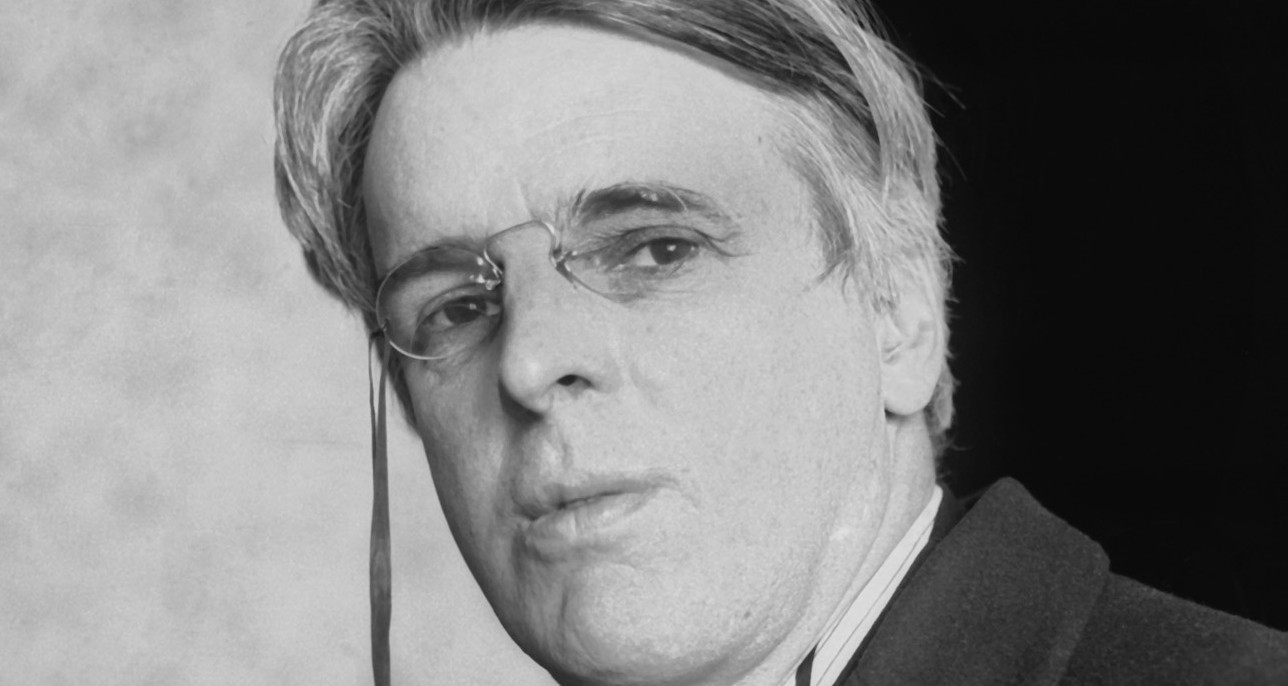
Born before 1850
Before psychical research emerged as an organised discipline, earlier thinkers, seers and investigators helped to prepare the ground on which it would later develop. This subcategory gathers articles on researchers and authors born before 1850 whose lives and writings bear on the prehistory of psychical research and parapsychology.
Alexander Nikolayevich Aksakov
First Russian psychical researcher, a government official who studied mediums and psychics.

WW Baggally
British psychical researcher (c 1848–1928) best remembered for his part in the SPR's investigation of Eusapia Palladino.
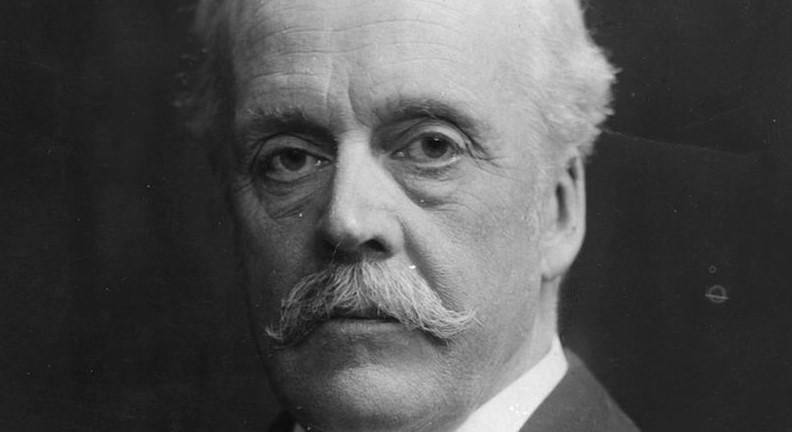
Arthur Balfour
Tory politician and philosopher (1848–1930) with an interest in psychical research, specially mediumship.
William F Barrett
British physicist (1844–1925) and co-founder of the Society for Psychical Research in 1882.
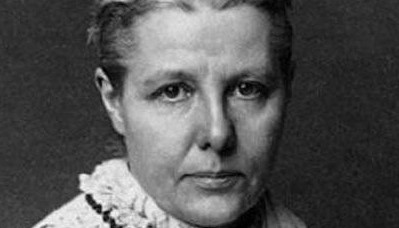
Annie Besant
Annie Besant (1847–1933) was an English theosophist, socialist and women’s rights activist concerned with spiritual development.
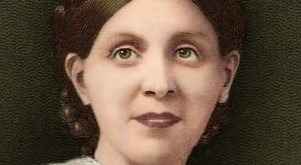
Emma Hardinge Britten
British writer and stage performer (1823–1899) remembered for her advocacy of early Spiritualism.
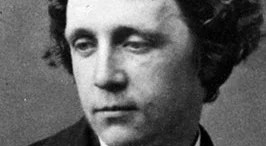
Lewis Carroll
Lewis Carroll (1832–1898), author of Alice in Wonderland, was interested in psychical research and theosophy.
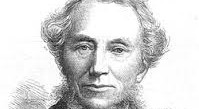
Edward William ‘Serjeant’ Cox
EW Cox (1809–1879) was an English lawyer, publisher, writer and researcher of psychical phenomena.
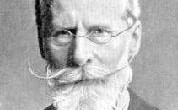
William Crookes
British scientist (1832–1919) who did controversial experiments with Daniel Home and other mediums in the 1870s.
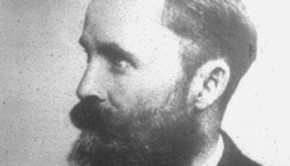
Carl du Prel
German philosopher (1839–1899), proponent of research into the connection of psi phenomena to the unconscious.
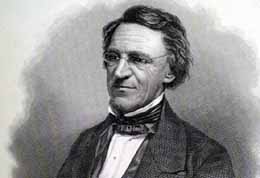
John W Edmonds
American lawyer, judge, and politician (1799–1874), remembered as one of the first serious investigators of séance mediums.
Camille Flammarion
French astronomer and psychical researcher (1842–1925), notable for his writings on psi and mediumship.
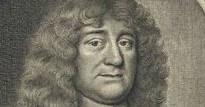
Joseph Glanvill
17th century clergyman (1636–1680) and member of the Royal Society, one of the first intellectuals to take an interest in paranormal claims.
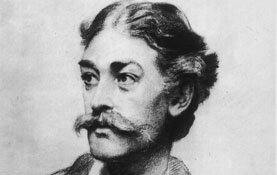
Edmund Gurney
Edmund Gurney (1847–1888) was a founder member of the SPR noted for his research on hypnotism, telepathy and apparitions.
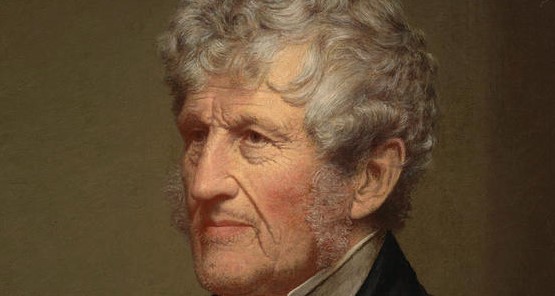
Robert Hare
American chemistry professor and inventor (1781–1858), whose experiments with mediums convinced him of postmortem survival.
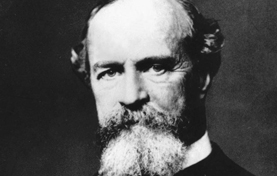
William James
Psychologist and philosopher William James (1842–1910), who studied medium Leonora Piper, was a strong advocate of psychical research.
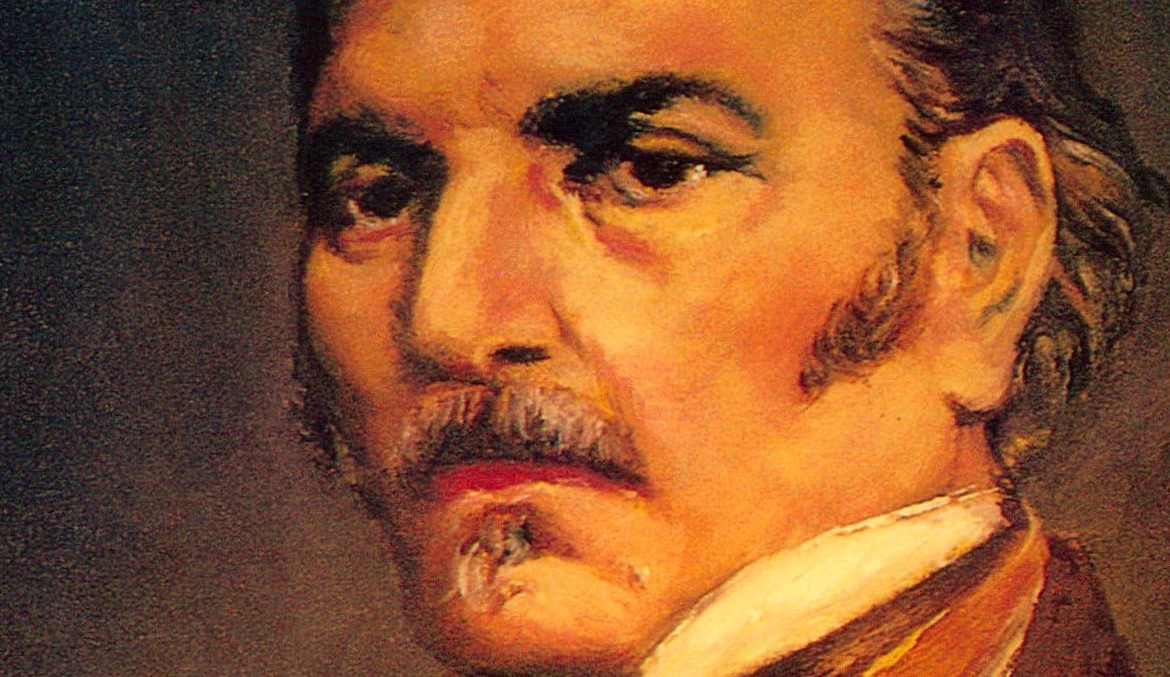
Allan Kardec
French educator (1804–1869) whose work with mediums led to the development of Spiritism, today highly popular in Brazil.
Andrew Lang
British folklorist (1844–1912) who noted consistencies in psi phenomena cross-culturally and over time.
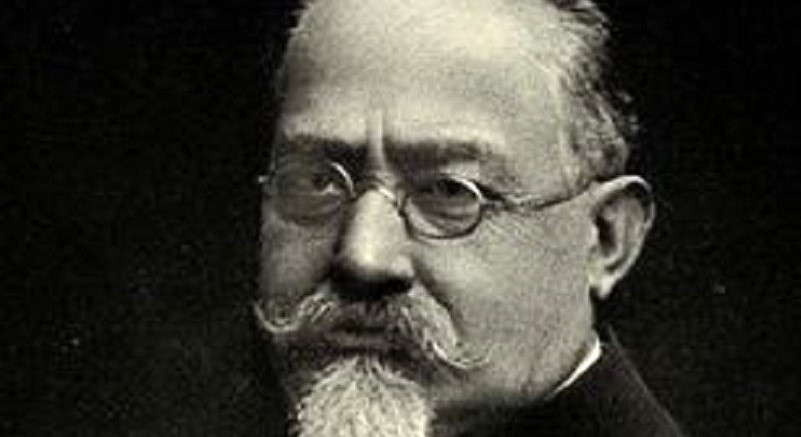
Cesare Lombroso
Influential Italian criminologist, doctor and psychiatrist (1835–1909) who engaged in psychical research and endorsed Eusapia Palladino.
CC Massey
CC Massey (1838–1905) was an English barrister, Theosophist, and founding member of the Society for Psychical Research.

Frederic WH Myers
Founding member of the SPR (1843–1901), author of the classic Human Personality and its Survival of Bodily Death.
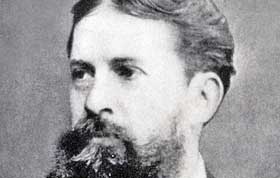
Charles S Peirce
Philosopher Charles S Peirce (1839–1914), originator of American Pragmatism, took a skeptical but open-minded interest in psychical research.
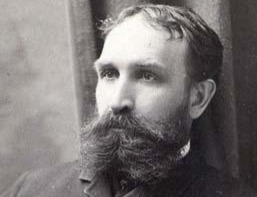
Minot Judson Savage
Savage (1841–1918) was a Unitarian minister who sat with Leonora Piper and was involved with the early American Society for Psychical Research.
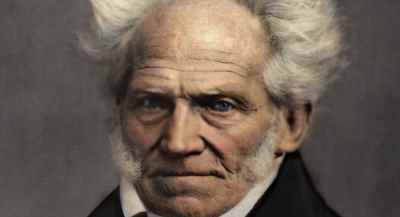
Arthur Schopenhauer
Arthur Schopenhauer (1788–1860) was a German philosopher whose metaphysics were partly shaped by his psi experiences.
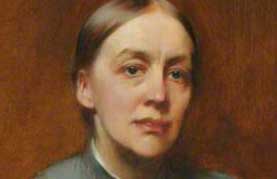
Eleanor Sidgwick
A significant figure in the early Society for Psychical Research (1845–1936), a mathematician, educator and wife of Henry Sidgwick.
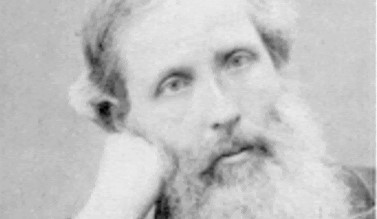
Henry Sidgwick
Influential British moral philosopher (1838–1900) whose doubts about religion led him to play a major role in the founding of psychical research.
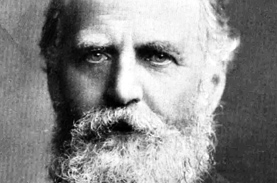
William T Stead
Nineteenth-century British journalist, author, social reformer and medium, who wrote about psychic experiences and postmortem survival.
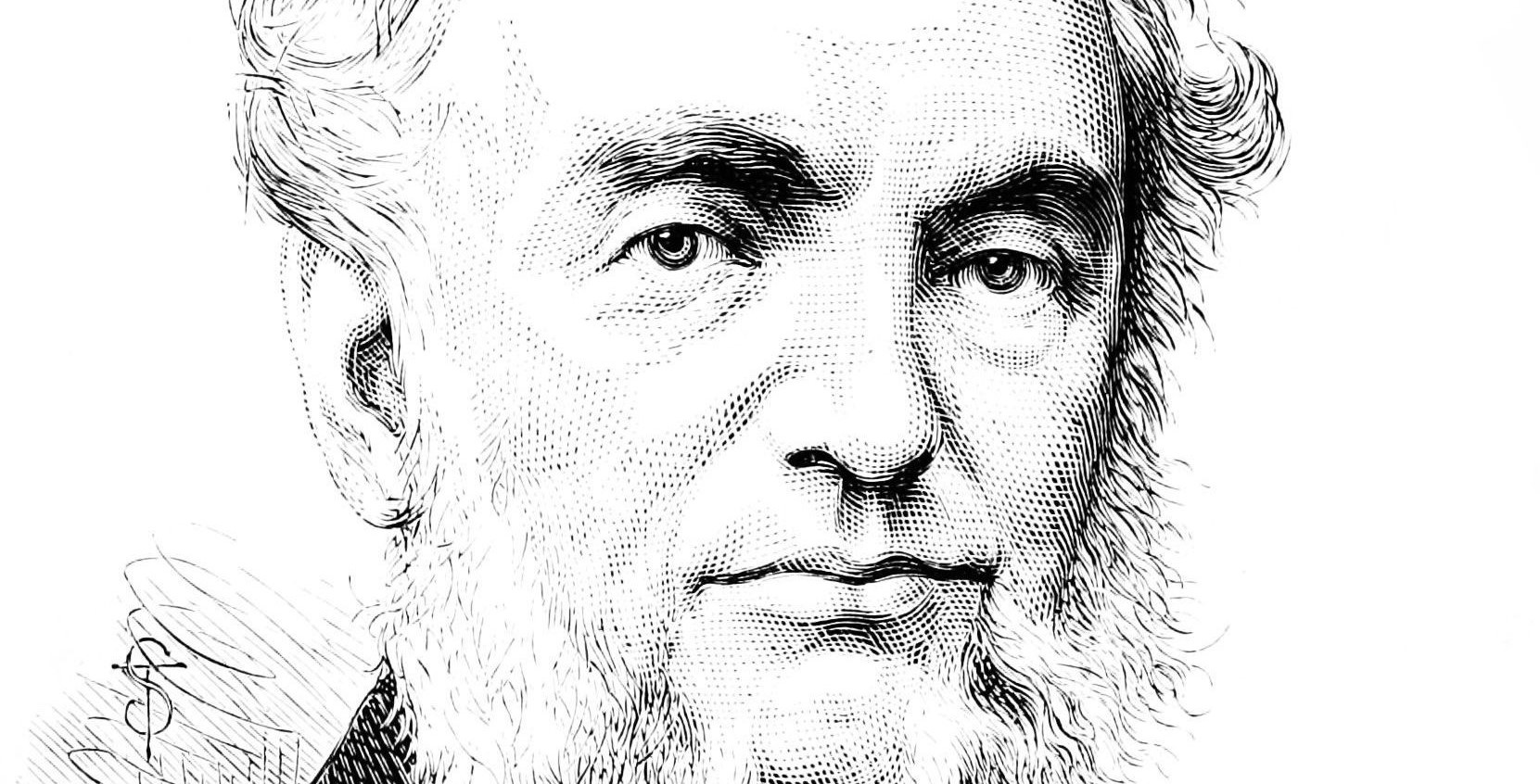
Balfour Stewart
Scottish physicist (1828–1887) who was interested in psychical research and tried to reconcile modern physics with Christianity.
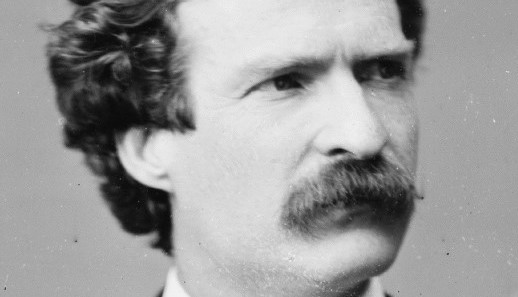
Mark Twain (Samuel Langhorne Clemens)
American author Mark Twain (1835–1910) described telepathic interactions with people at a distance.
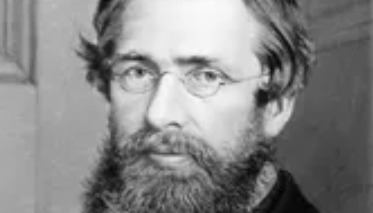
Alfred Russel Wallace
British naturalist (1823–1913) who investigated seance mediums and became a convinced spiritualist.
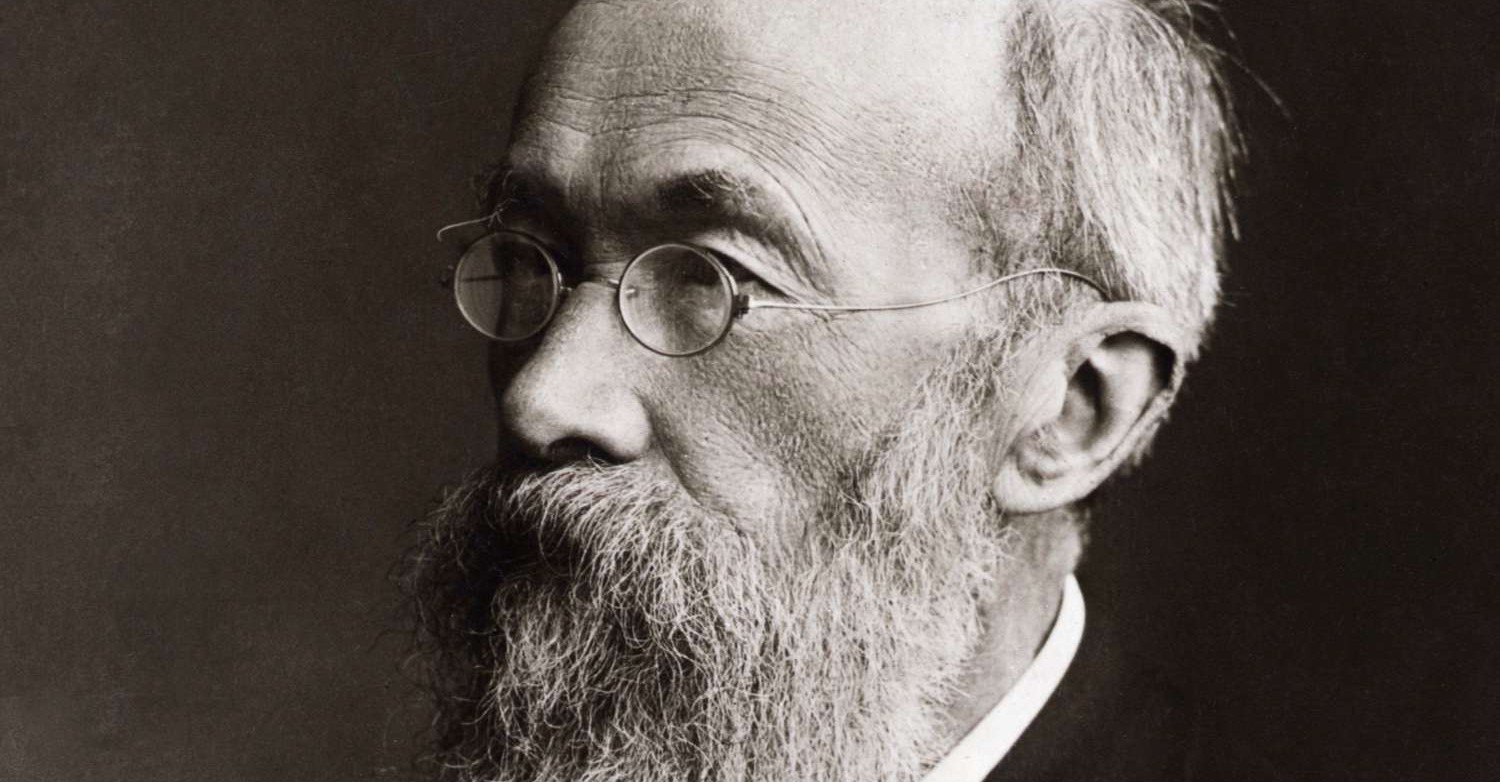
Wilhelm Wundt
German psychologist whose scepticism of psi phenomena was motivated by religious concerns.