
Welcome to the Psi Encyclopedia! We aspire to provide a comprehensive introduction to academic parapsychology, which studies the range of psychic experiences collectively termed ‘psi’. The existence of psi phenomena – and the related idea that consciousness is independent of the physical body and so may survive death – is strongly disputed by materialist scientists, yet parapsychologists are convinced they have evidence for these things. The Psi Encyclopedia presents this evidence in nearly 750 signed articles by over 80 authors, many of them senior academics, arranged in categories and subcategories that highlight the major interests of the field. It is sponsored by the Society for Psychical Research.
Mark Boccuzzi created this short video that explains what we are about.
Featured
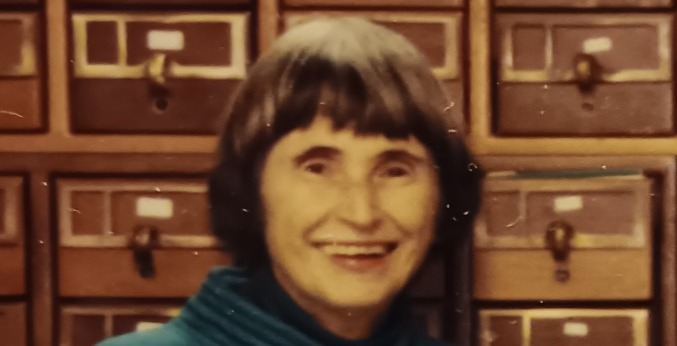
Rhea A White
American parapsychologist, librarian, bibliographer, and editor of the Journal of the American Society for Psychical Research.
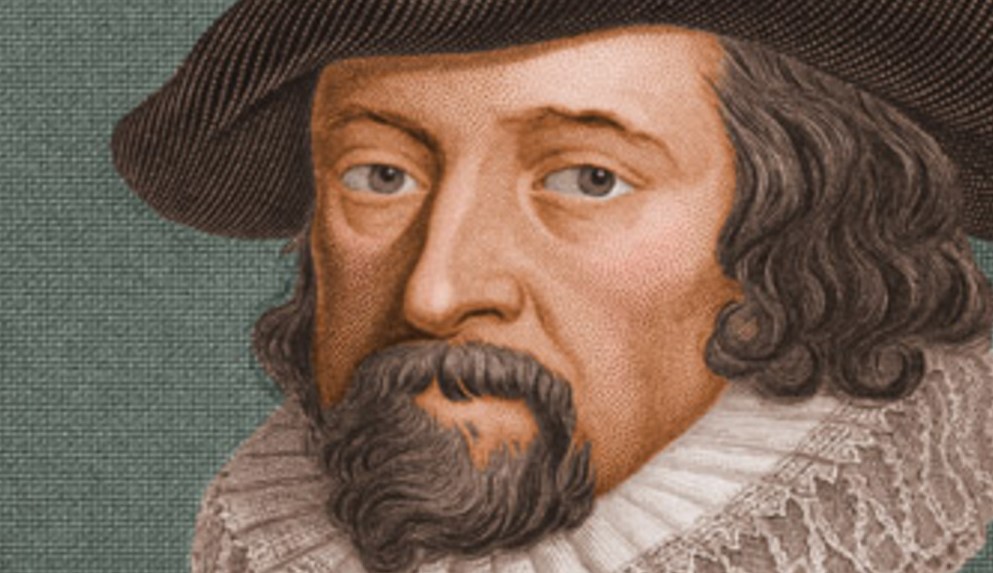
Francis Bacon and the Occult
Francis Bacon (1561–1626) believed in the possibility of psi but opposed its investigation on theological grounds.
Animals in Psi Research
The psi abilities of animals have been reported in informal observations and laboratory tests.
Eminent People Interested in Psi (list)
A list of some 200 scientists, thinkers, writers, and artists who took seriously the possibility of psi.

Psi Research in Brazil
This article traces the development of interest in psi phenomena and parapsychological research in Brazil.
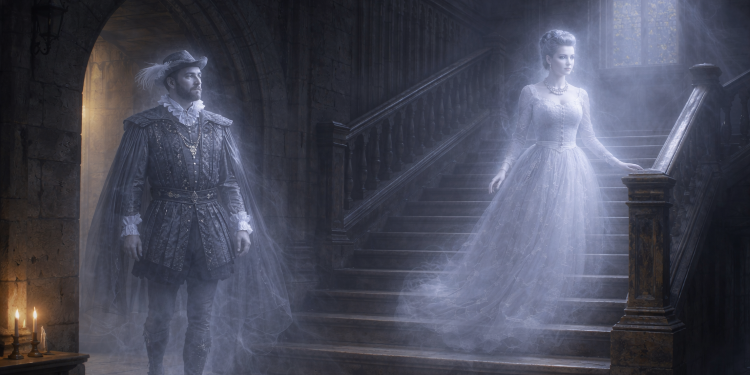
Why Do Ghosts Wear Clothes?
Sceptics use the fact that apparitions appear fully clad as reason to doubt them. This article discusses why they might.
Maroczy Mediumistic Chess Match
Match played between a living Russian grandmaster and a deceased Hungarian one.
Key Topics
Remote Viewing
An experimental form of clairvoyance, in which a suitably trained person attempts to visualise the topography of a distant scene.
Near-Death Experiences (Overview)
This article describes anomalous mental events reported by people who have survived a near-fatal accident or illness.

Society for Psychical Research (SPR)
Membership organization founded in London in 1882 for the scientific investigation of claims of psychic phenomena.
Psychokinesis Research (Overview)
Research on PK has progressed from early tests with dice to random number generators, field studies, and quantum experiments.

Clinical Parapsychology
Therapeutic approach that aims to provide support for people disturbed by anomalous event experiences.
Reincarnation: An Introduction
This introductory article covers beliefs in reincarnation, evidence for reincarnation, and sceptical views of the research.

Psychedelics and Psi
A gradual easing of restrictions means that psi research with psychedelics, once prevalent, could soon resume.
Altered States of Consciousness and Psi
ASCs have long been known to be associated with psi experiences.
Recent Additions

After-Death Communications (Overview)
ADCs have been interpreted through both psychological and survival-based models.
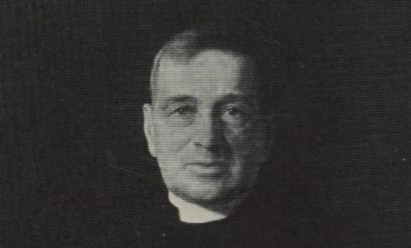
Elwood Worcester
Episcopal clergyman and psychologist (1862–1940) who helped found the Boston Society for Psychic Research.
Siméon Edmunds
British researcher (1917–69) concerned with hypnotism, spirit photography, parapsychology and Spiritualism.

Global Consciousness Project (GCP) 2.0
GCP 2.0 extends the original GCP with a larger network of quantum random number generators.
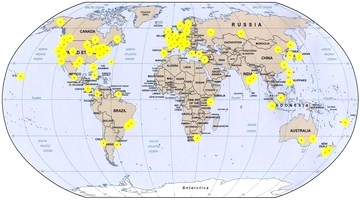
Global Consciousness: Theories
This article considers interpretations of data gathered by the Global Consciousness Project.
Minot Judson Savage
Unitarian minister (1841–1918) who sat with Leonora Piper and was involved with the early American Society for Psychical Research.
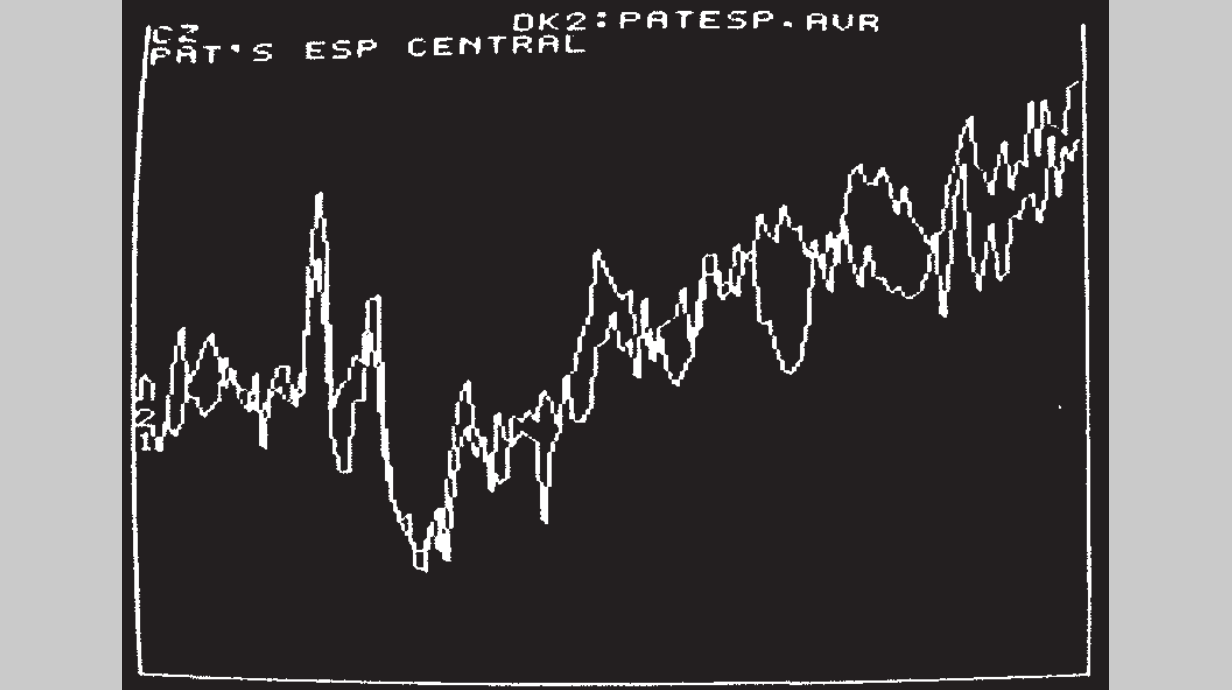
Presentiment Research Methods
Confirmatory studies should be preregistered and use pre-stimulus physiological data to predict stimuli.
Charles Drayton Thomas
Methodist minister (1867–1953) who studied mental mediumship, chiefly of Gladys Osborne Leonard.
Edward F Kelly
American psychologist and parapsychologist concerned with consciousness and its relation to psi and postmortem survival.

Free-Response Methods
Targets such as random images or locations allow for richer impressions than do forced-choice tests.

Children’s Near-Death Experiences
New research employs creative, participatory methods to interview children about their NDEs.
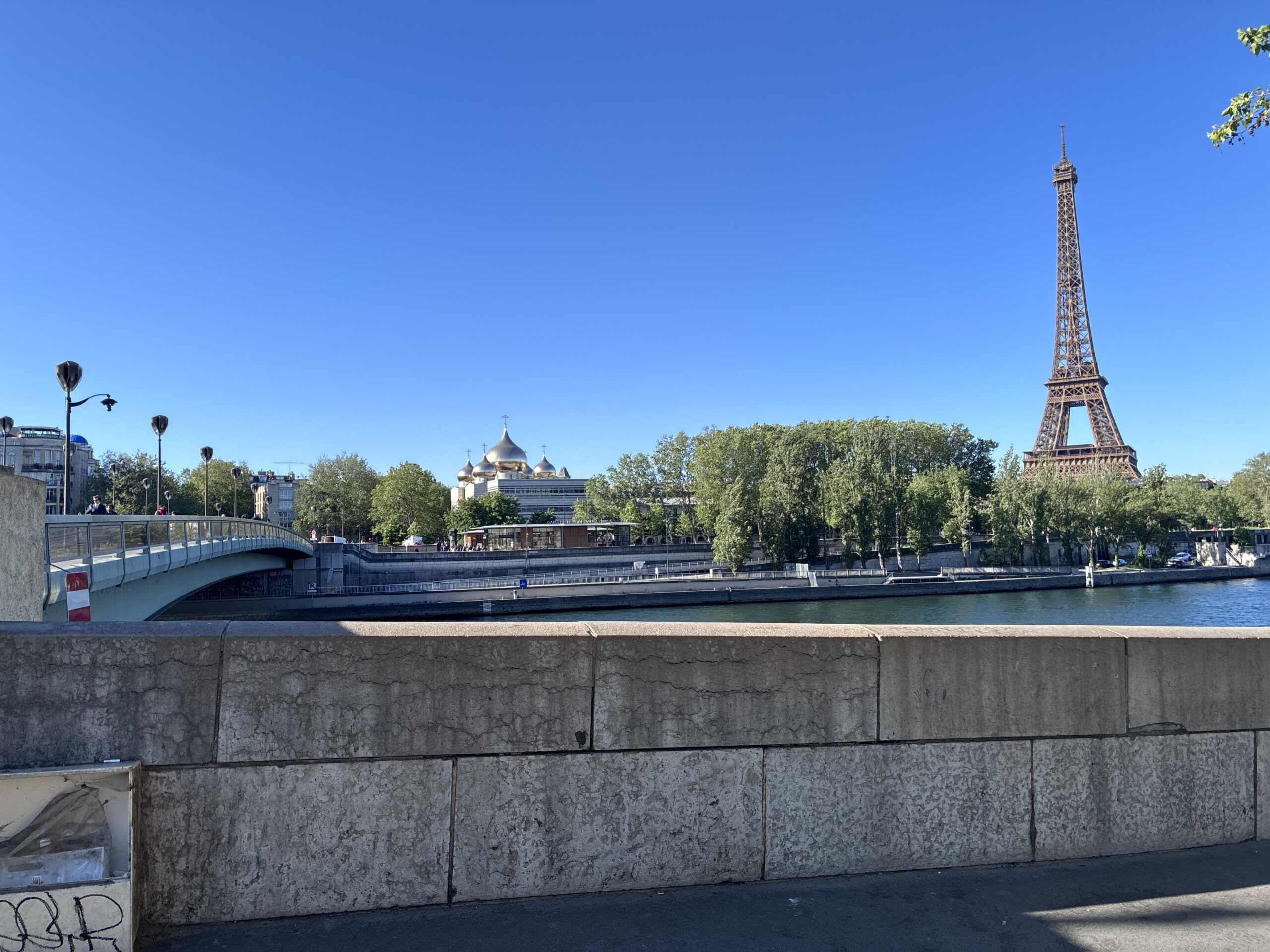
Psi Research in France
This article discusses psi research in France, from nineteenth century ‘animal magnetism’ to the present day.

Callum E Cooper
British psychologist who specializes in the study of spontaneous cases of psi phenomena.
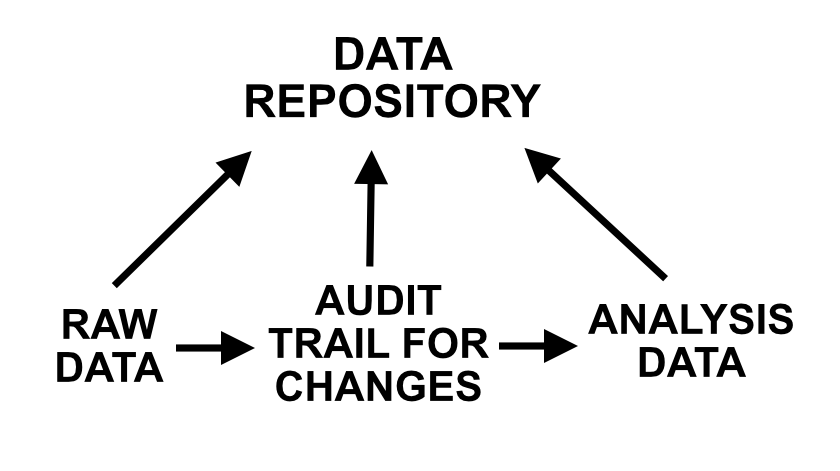
Preventing Researcher Fraud
Preventive research practices offer the strongest protections against fraud in parapsychology.
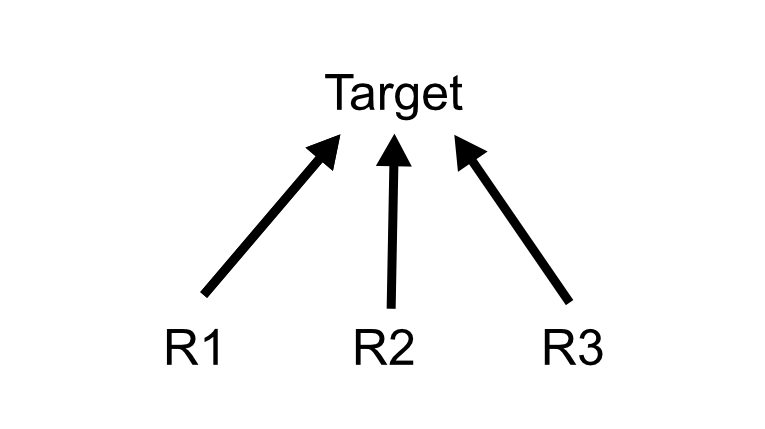
Dealing with the Stacking Effect
When several test participants respond to the same target, their trials are statistically dependent.
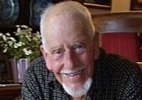
Peter Underwood
British paranormal researcher long associated with the Ghost Club, author of more than 50 about haunting phenomena.
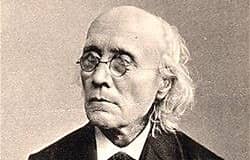
Gustav Theodor Fechner
German pioneer in experimental psychology who proposed an influential theory of immortality.
Psi Research in China
Recent experimental and theoretical work in China includes successful attempts to train ESP abilities in blind children.
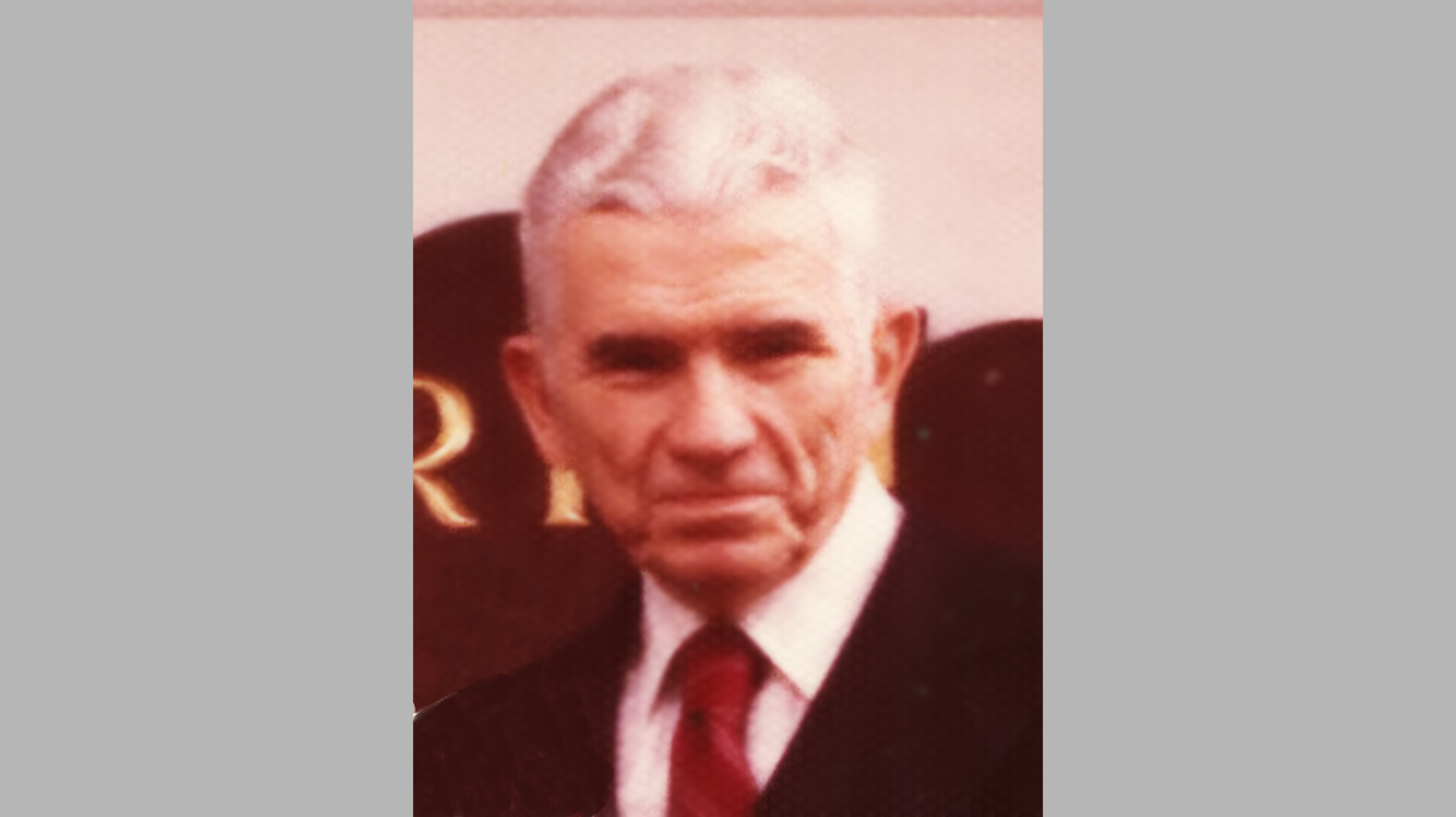
JB Rhine and the Replication Crisis in Research
Rhine anticipated reforms linked to psychology’s replication crisis.
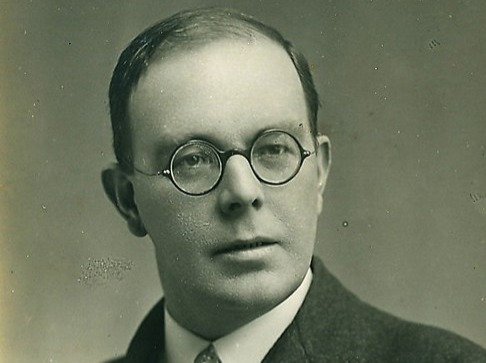
Cyril L Burt
Influential but controversial British psychologist (1883–1971) who believed psychic phenomena merited serious attention.
Explore the Psi Encyclopedia
ESP & Psychokinesis
Extra-sensory perception (ESP) comprises telepathy, clairvoyance and precognition. Psychokinesis (PK) is the direct influence on matter by mind alone. Both ESP and PK have been tested in the laboratory and studied in real life situations. Together they constitute psi, in the strict sense of the term. Subcategories group together overviews and general topics in psi studies, tests of ESP and PK, and researcher biographies.
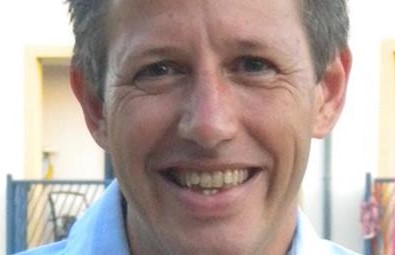
Adrian Ryan
British researcher interested in the effect of geomagnetic activity on ESP, also in psi's philosophical and sociological implications.
Kenneth J Batcheldor
British psychologist (1921–1988) who showed 'table tipping' could be produced by living agents collectively in sitter groups.
Anthropology and Psi Research
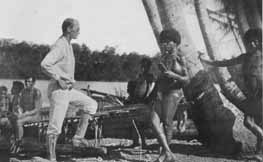
Anthropologists have long been fascinated by belief in psi, a near universal aspect of human culture.
Mind & Body
This category contains articles that treat consciousness in relation to the body. Subcategories focus on consciousness and psi; dreams and psi; and distant healing and psychotherapy. Also included are sitter groups and macro-psychokinesis as well as poltergeists, often assumed to relate to discarnate entities but now known more often to have living agents. A final subgroup is concerned with out-of-body and near-death experiences and events reported on the threshold of death.
Dream ESP Reports (list)
Summaries of reports, surveys and analyses of dream ESP in the SPR archives from 1889 to 1998.

Nigel Buckmaster
The benefactor whose bequest created the PE describes the mystical vision that prompted his interest in psi research.
Emanuel Swedenborg
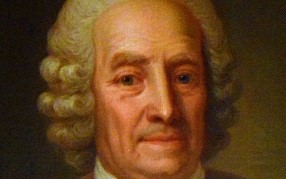
Swedish engineer, philosopher, seer and psychic (1688–1772), who wrote about his encounters with spirits.
Survival of Death
Life continued in a spiritual or purely mental form after bodily death is a staple of religious beliefs worldwide, and likely is as old as humanity. The question of evidence for it has been central to the Society for Psychical Research since its founding in 1882. Subcategories focus on hauntings and apparitions and on psychic (also called mental) mediumship.
Baldoon Mystery
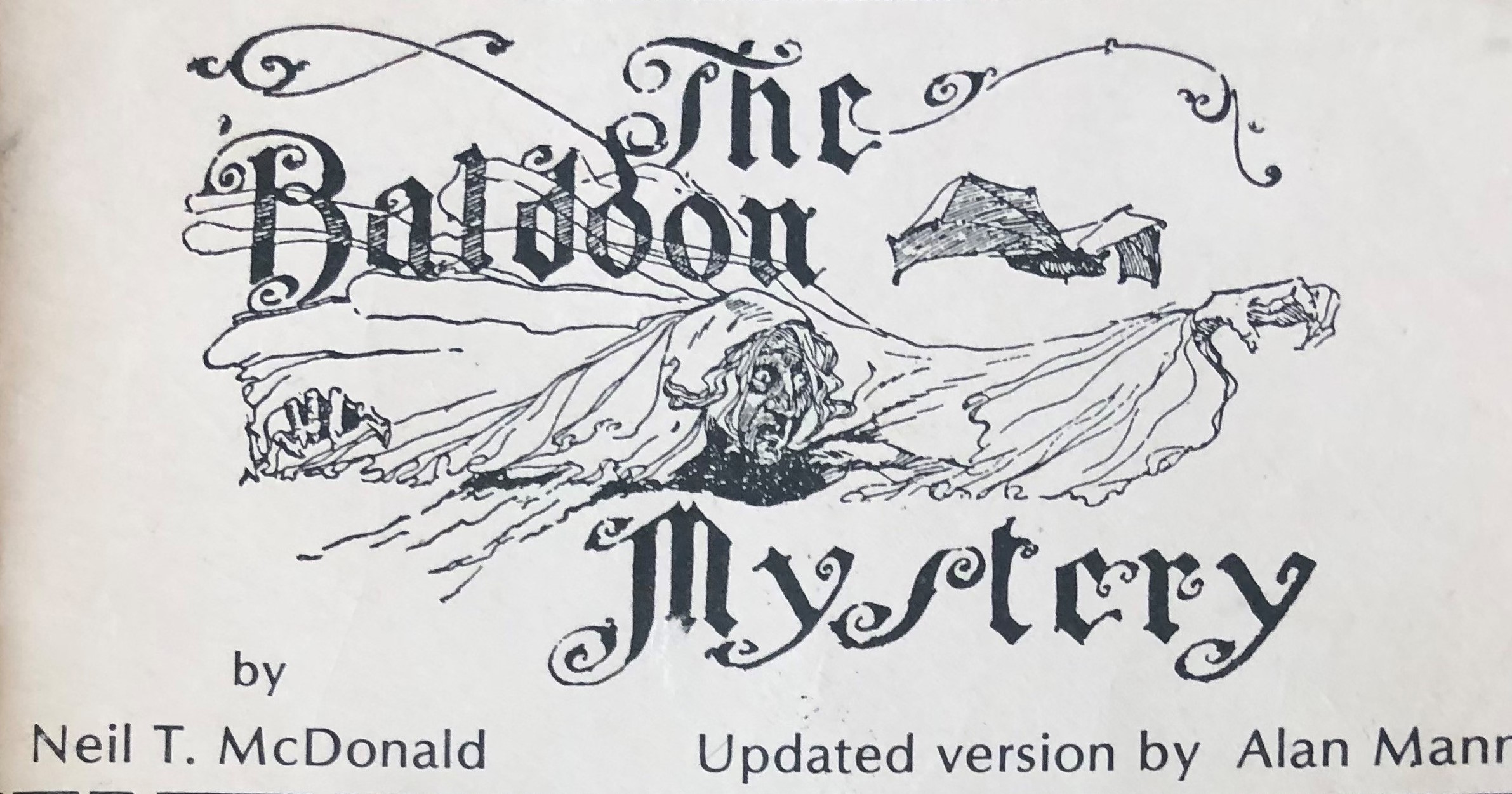
Poltergeist disturbances that occurred in 1829 in Ontario, Canada, were the subject of 26 eye-witness reports.

The Buried Crosses
Describes successful efforts in the 1930s to locate buried Aztec Indian relics from information provided by a spirit medium.

Daniel Dunglas Home
Well-known nineteenth century medium, some of whose phenomena were observed in controlled conditions.
Reincarnation
Reincarnation beliefs are widespread in the world and in recent decades researchers have found what they believe is evidence of them through the study of people (mainly children) who claim to have lived before. Subcategories highlight case studies, past life regression, and biographies of major researchers.

Psychological Studies of Children Claiming Past-Life Memories
Children with past-life memories may have advantages over those who don't.

People Who Knew Each Other in Past Lives
Investigators have found several pairs of people who remember knowing each other in earlier lives.
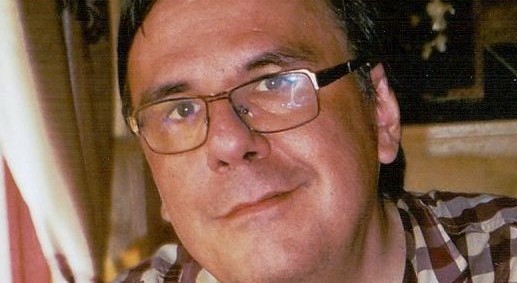
Titus Rivas
Dutch theoretical psychologist and philosopher who has studied near-death experiences and children who recall previous lives.
Researchers & Authors
Here can be found more than 300 biographical profiles of key figures who have been involved in psi research and parapsychology as field investigators, experimentalists, theorists and commentators. The biographies are grouped in subcategories by 30-year age cohorts, highlighting contemporaries.
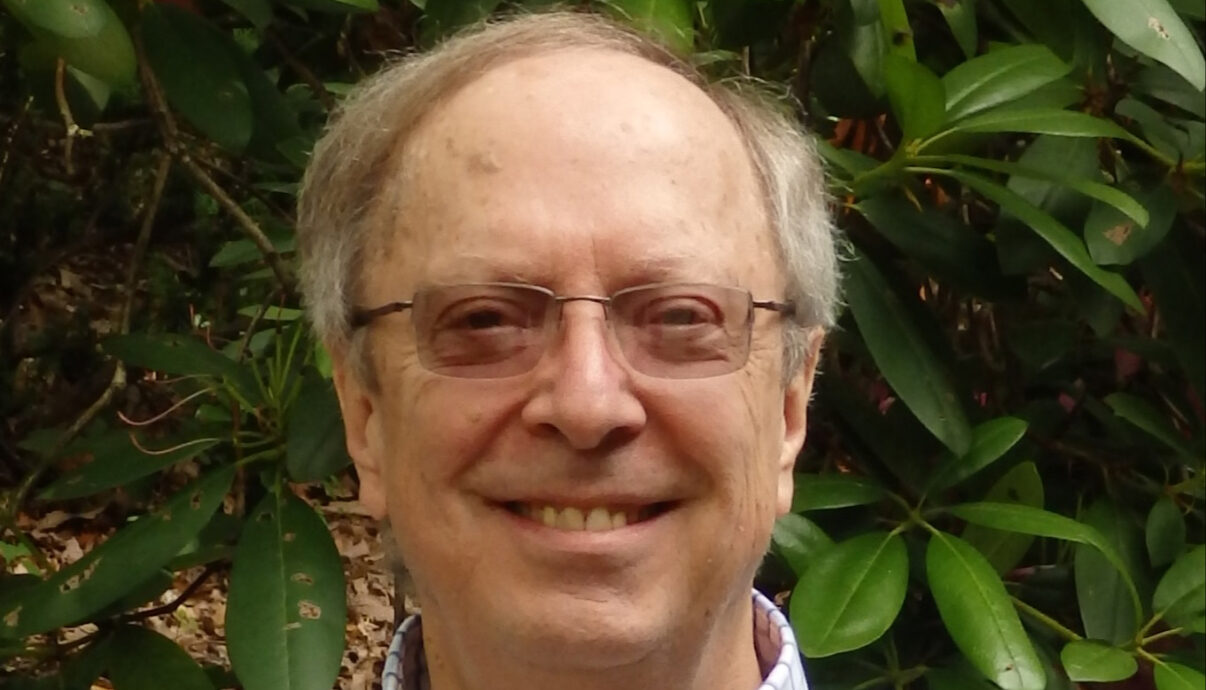
William Bengston
American sociologist and practitioner of ‘energy healing’ (1950–2025) who engaged in successful laboratory tests.
William Crawford
William Crawford (1881–1920), a college lecturer in mechanical engineering, is known for his investigation of a Spiritualist circle in Belfast.
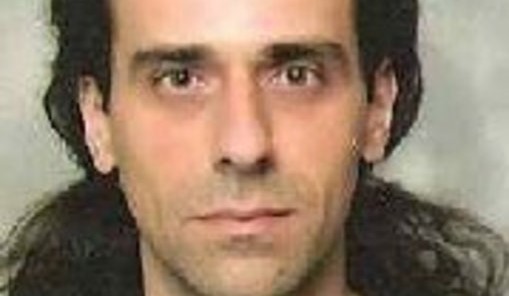
Marios Kittenis
Researcher whose work has included presentiment, remote psychophysical interactions, and the psi effects of psychedelic drugs.
Organizations
The oldest organizations devoted to parapsychology were member organizations like the Society for Psychical Research, established in London in 1882. Since JB Rhine founded the Parapsychology Laboratory at Duke University in 1930, there have been university-based units as well. This category comprises both historical and contemporary bodies concerned with research and education in parapsychology.

American Society for Psychical Research (ASPR)
The oldest parapsychological organization in the United States, founded in 1884, now practically defunct.
International Consciousness Research Laboratories (ICRL)
Dedicated to understanding consciousness with a view to improving humanity’s future.
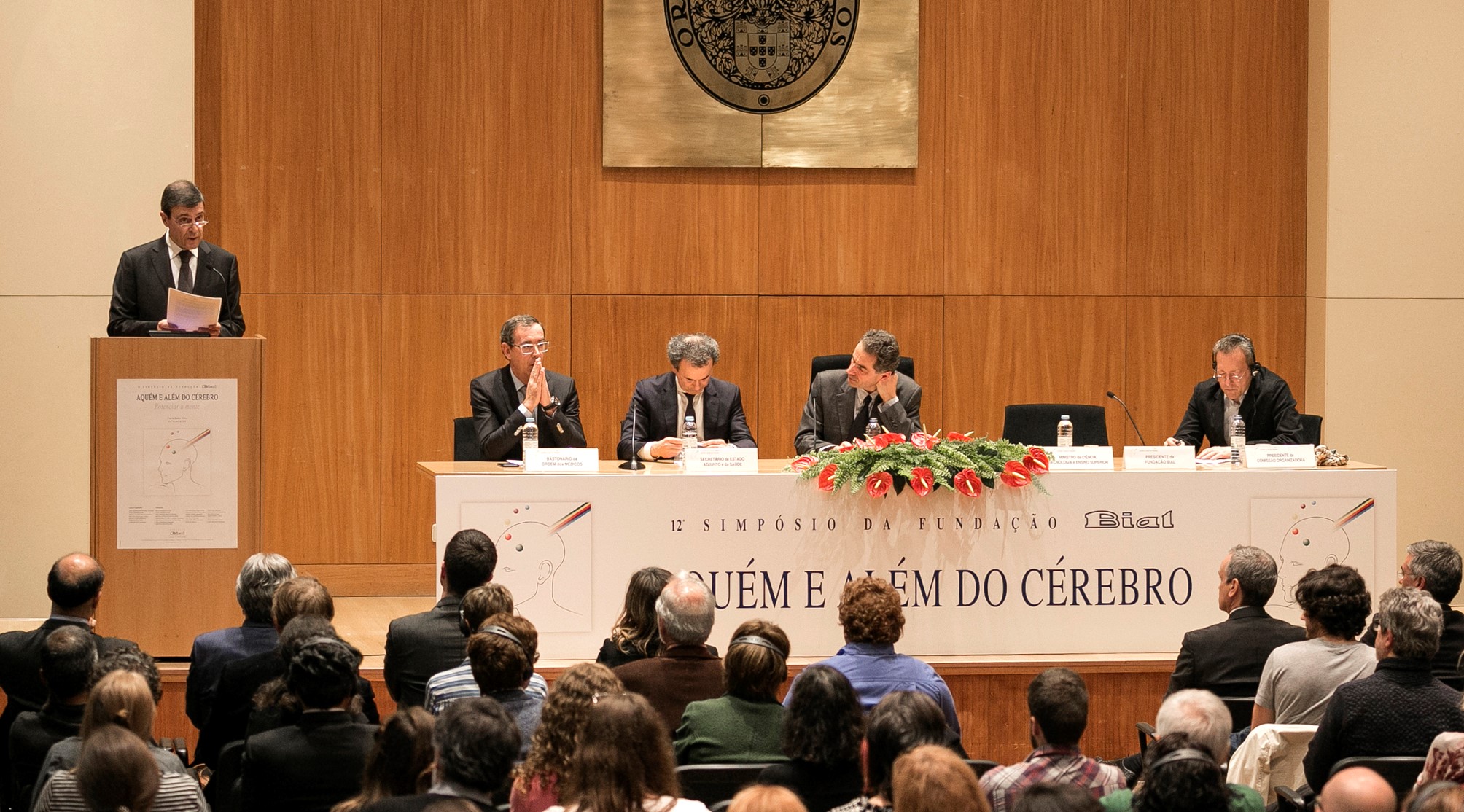
Bial Foundation
Foundation set up by Portuguese pharmaceutical giant to support research in neuroscience, psychophysiology and parapsychology.
Sceptical Views
Sceptics argue that psychics and mediums achieve their effects by trickery, that psychic experience is an illusory effect caused by a combination of brain misperceptions and confirmation bias, and that evidence of psi in laboratory tests can be attributed to poor methodology. This category includes biographies of leading sceptics as well as general articles discussing their allegations.
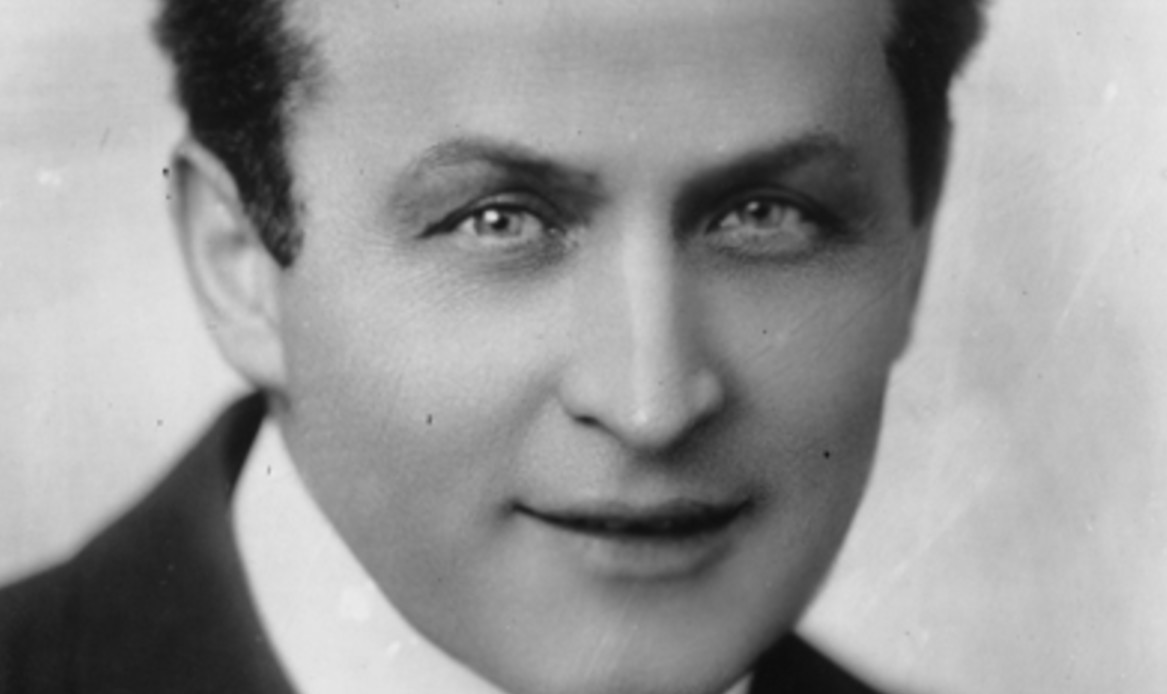
Harry Houdini
The legendary stage magician (1874–1926) was hostile to Spiritualism and wrote books about his debunking of mediums.
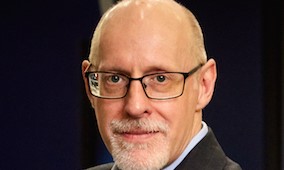
Richard Wiseman
British psychology professor, media personality and bestselling author who is a high-profile critic of parapsychology.
The One Million Dollar Paranormal Challenge
Prize offered until 2015 by the James Randi Educational Foundation (JREF) but never awarded.
General Topics
This category contains articles on a variety of topics that do not fit well in any of the main categories, from dowsing to crop circles and other anomalistic phenomena, the Miscellaneous Anomalistic subcategory. Other subcategories list articles on psychics and mystic and on important articles, books and journals in the field of parapsychology.

Extraocular Image (China)
1980s experiments in which children demonstrated an ability to recognize hidden images by touch alone.
‘The Phenomena of Astral Projection’ (1951)
Classic study of OBEs, described in the context of the occult idea of 'astral projection'.
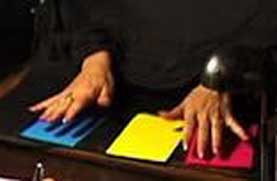
Dermo-Optical Perception
This article describes research into claims of being able to perceive colours through touch alone.